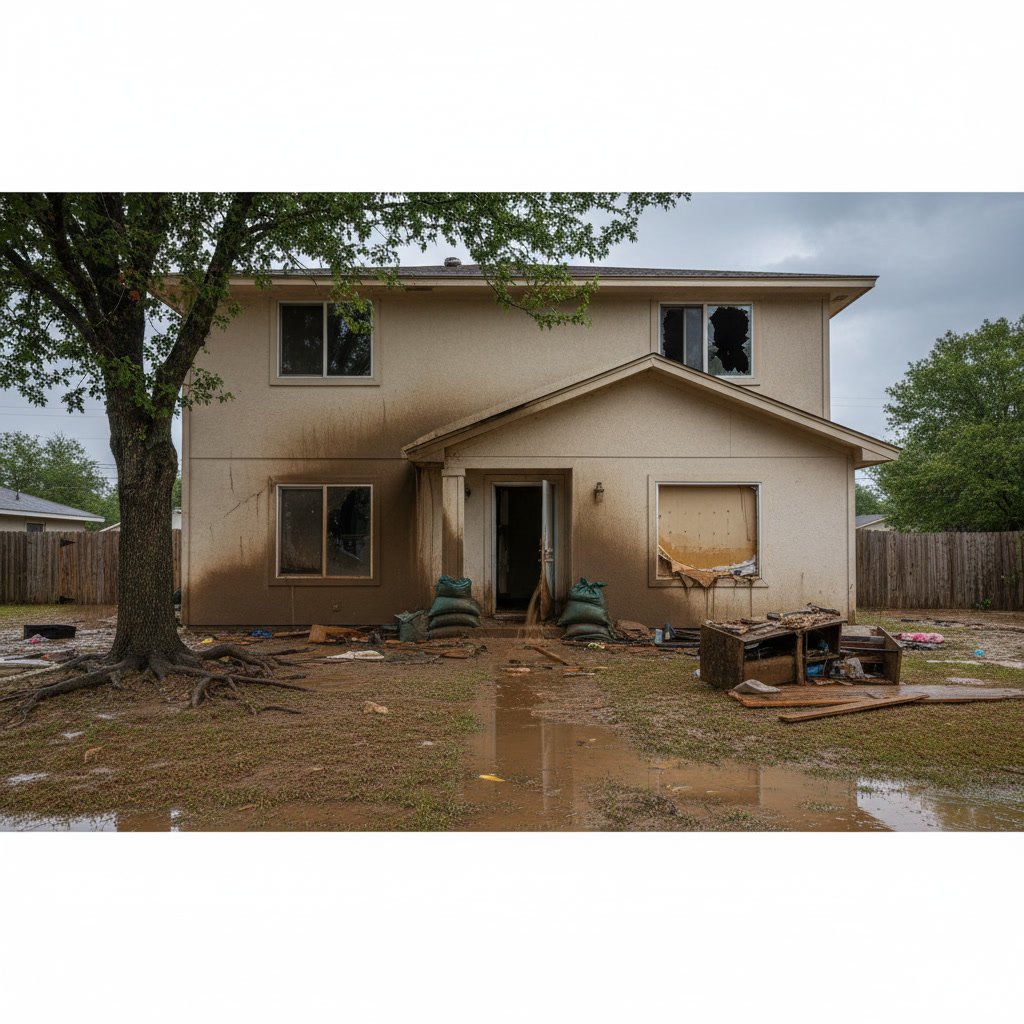
Heavy rainfall exposes vulnerabilities in even well-maintained properties, and recognizing flood damage signs within the first 24 to 48 hours makes the difference between a manageable repair and catastrophic structural failure. Water finds its way through foundation cracks, overwhelms drainage systems, and saturates materials that compromise your building’s integrity. When you spot standing water, discolored walls, or unusual odors after a storm, these aren’t cosmetic issues waiting for your schedule. They’re active threats to your property’s safety and value.
Why Time Determines the Severity of Flood Damage
The clock starts ticking the moment water enters your property. Within the first 24 hours, water migrates through porous materials like drywall, insulation, and subflooring. By hour 48, mold spores begin colonizing damp surfaces. After 72 hours, structural wood starts weakening, and contamination risks multiply if the water source carried sewage, chemicals, or outdoor debris.
Professional restoration teams measure moisture levels in percentages. Clean building materials register below 16 percent moisture content. Once materials exceed 20 percent, microbial growth becomes likely. At 30 percent and above, structural integrity degrades rapidly. These numbers explain why speed matters more than almost any other factor in flood recovery.
What Happens Inside Your Walls During the First Hours
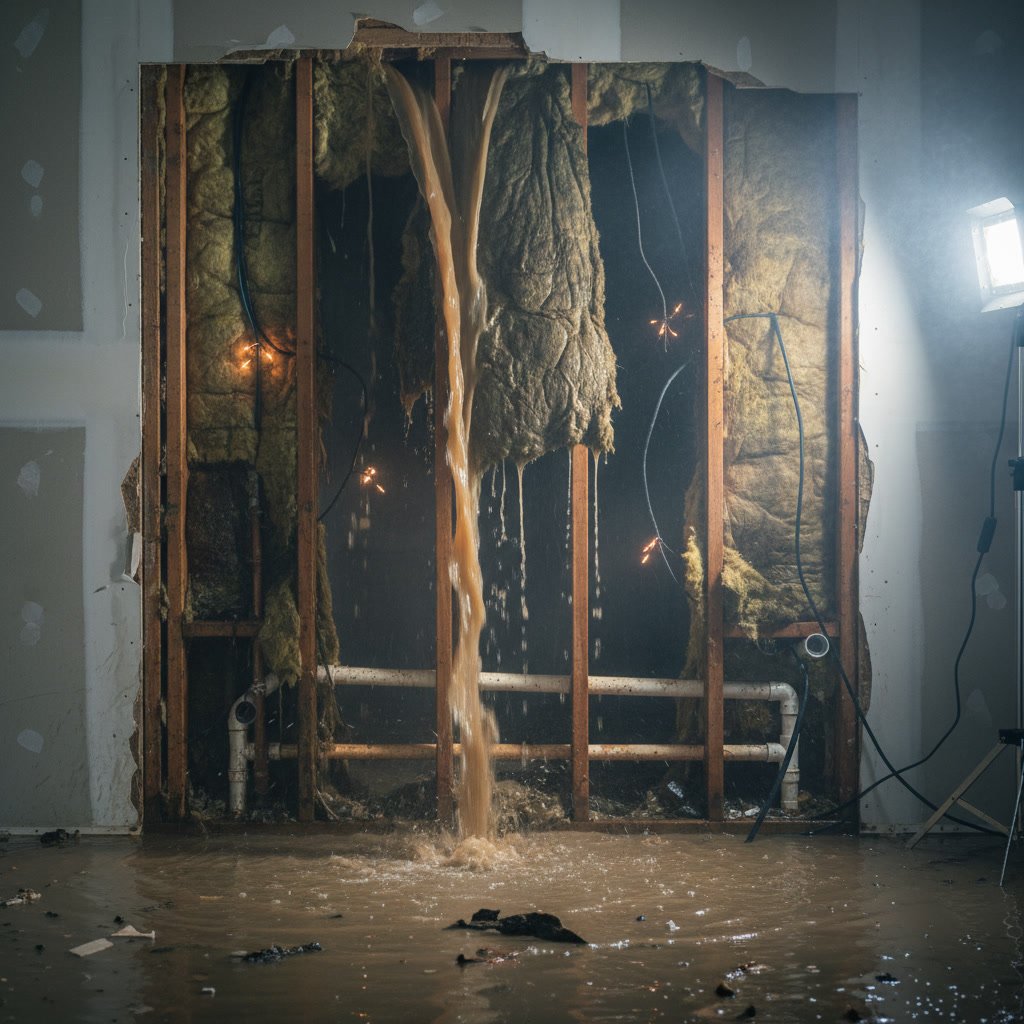
Most property owners focus on visible water while missing the hidden damage occurring inside wall cavities and beneath floors. Water travels through the path of least resistance, meaning a roof leak on the third floor can appear as a stain on the first-floor ceiling two days later. Capillary action pulls moisture upward through drywall, sometimes climbing 12 to 18 inches above the visible waterline.
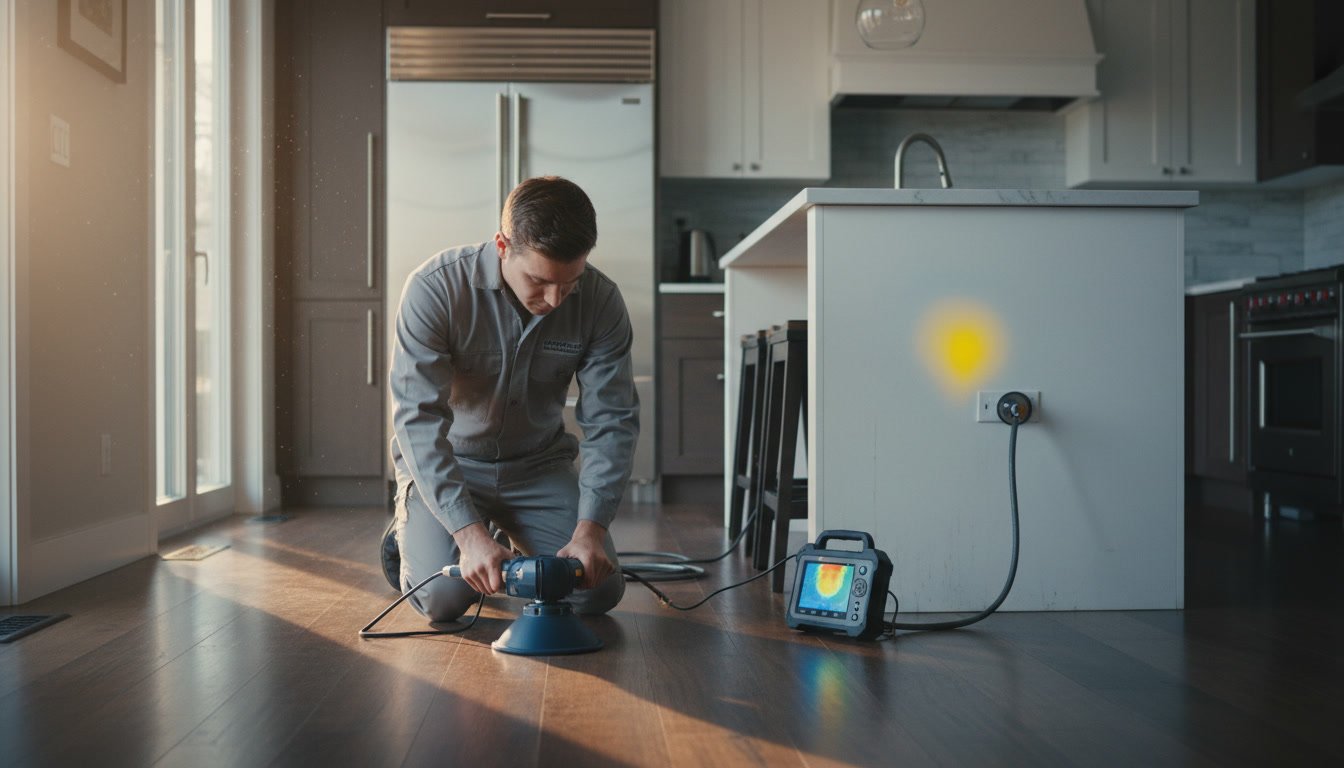
Insulation acts like a sponge, holding moisture against wooden framing members for weeks if not properly dried. This creates the perfect environment for rot and mold growth that won’t show symptoms until months after the initial flood. Professional moisture meters and thermal imaging cameras detect these hidden problems before they become renovation projects.
Standing Water That Won’t Drain on Its Own
If you see water pooling in your basement, crawl space, or ground floor more than six hours after rainfall stopped, your property needs immediate attention. Natural evaporation and soil absorption should clear minor intrusions within a few hours. Persistent standing water indicates either a continuing source, overwhelmed drainage systems, or foundation issues that trap water inside the building envelope.
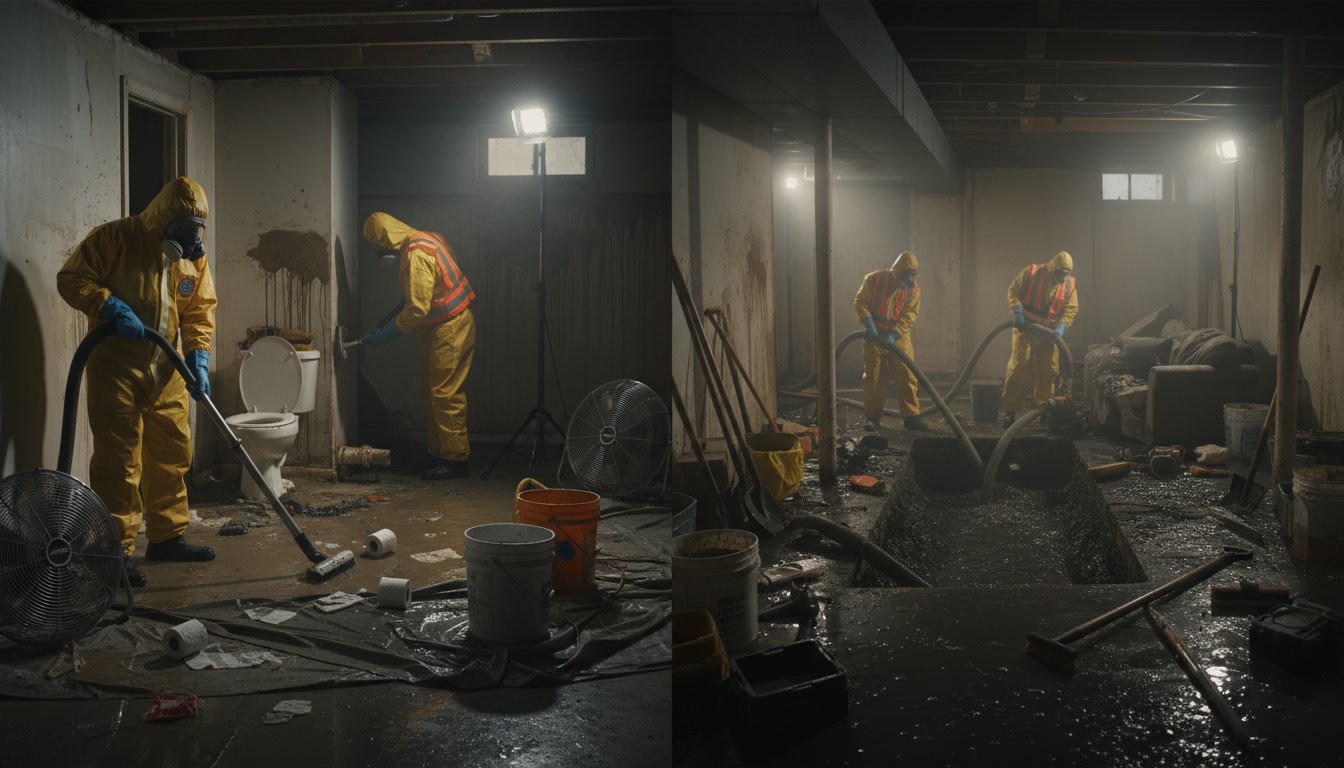
Standing water depth matters. Anything above one inch requires professional water extraction services with industrial pumps and truck-mounted vacuums. Attempting to remove significant volumes with a shop vacuum extends the exposure time and increases secondary damage. Every hour water sits against baseboards, flooring, and wall materials adds to the restoration timeline and cost.
Discoloration Patterns That Signal Active Water Movement
Brown or yellow rings on ceilings and walls aren’t just stains. They’re road maps showing where water traveled and concentrated. Fresh water damage appears darker and wet to the touch. Older damage looks lighter but leaves mineral deposits and texture changes. If you notice these marks expanding or darkening after heavy rain, water is still moving through your building materials.
Check corners where walls meet ceilings and where different building materials join. Water accumulates at these transition points. Peeling paint, bubbling wallpaper, or soft spots in drywall near these areas confirm active saturation. These symptoms often accompany issues that restoration professionals identify during detailed property inspections using specialized equipment.
Odors That Indicate Contamination or Microbial Growth
A musty, earthy smell after flooding means mold has already started colonizing damp materials. This odor becomes noticeable once mold releases volatile organic compounds during reproduction, which typically happens 48 to 72 hours after water exposure. If you smell this distinctive odor, visible mold growth is either present or imminent.
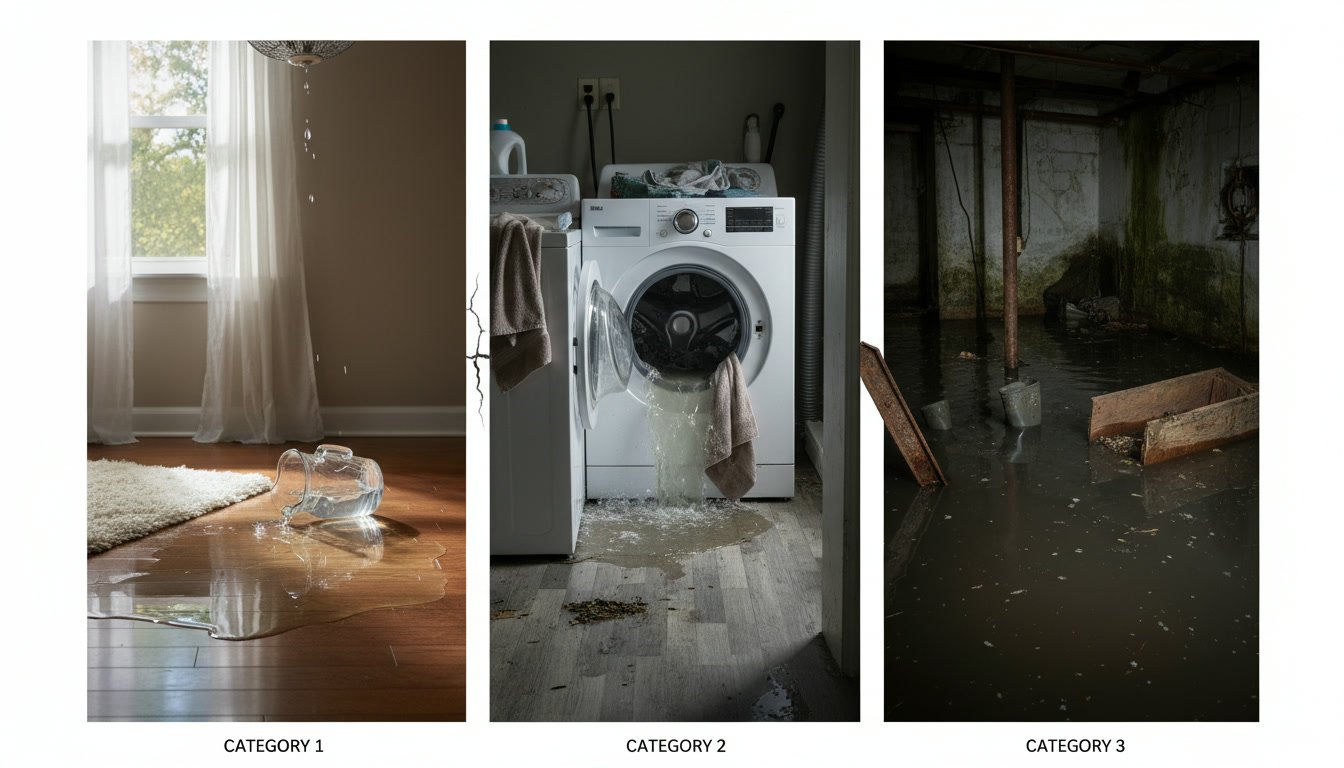
Sewage odors signal a much more dangerous situation. When floodwater mixes with sewage from overwhelmed municipal systems or backed-up septic tanks, it introduces bacteria, viruses, and parasites into your property. Category 3 water, as the industry classifies it, requires complete removal of porous materials and specialized disinfection protocols. This contamination level demands professional sewage cleanup with proper safety equipment and disposal procedures.
Structural Warning Signs in Philadelphia Properties
Older homes and commercial buildings throughout the region face unique flood challenges due to aging infrastructure, settled foundations, and outdated drainage systems. Cracks in foundation walls wider than one-eighth inch provide direct water entry points during heavy rain. Bowing basement walls, separating floor joists, or doors that suddenly stick in their frames all suggest water has compromised structural members.
Properties built before 1980 often have clay tile drainage systems that crack and separate over time. When these fail during heavy storms, water has nowhere to go except into basements and crawl spaces. React Restoration LLC sees this pattern frequently across Delaware County, Montgomery County, and Bucks County, where older housing stock mixes with intense regional rainfall patterns.
Electrical Hazards Created by Water Intrusion
Water and electricity create lethal combinations. If standing water reaches electrical outlets, appliances, or your circuit breaker panel, shut off power to affected areas immediately at the main panel. Never step into standing water if electrical sources are nearby. Wet insulation around wiring degrades over time, creating fire hazards that persist long after visible water disappears.
GFCI outlets that trip repeatedly after flooding indicate moisture in electrical boxes or wiring. Flickering lights, burning smells near outlets, or warm wall plates near water damage require immediate professional evaluation. These symptoms often accompany severe water intrusion that needs comprehensive flood damage restoration addressing both visible and hidden moisture.
Flooring Changes That Reveal Subsurface Saturation
Hardwood floors cup, crown, or buckle when moisture content rises above normal levels. Cupping occurs when board edges rise higher than centers, creating a concave surface. Crowning shows the opposite pattern, with centers higher than edges. Both conditions indicate active moisture beneath the flooring that requires professional drying equipment.
Vinyl and laminate floors show different symptoms. Look for lifting at seams, bubbling under the surface, or discoloration spreading from walls toward room centers. Ceramic tile that sounds hollow when tapped or grout lines that crumble suggest the substrate has absorbed water. These subsurface problems won’t resolve without removing flooring and properly drying the subfloor and joists beneath.
When Storm Damage Extends Beyond Water Issues
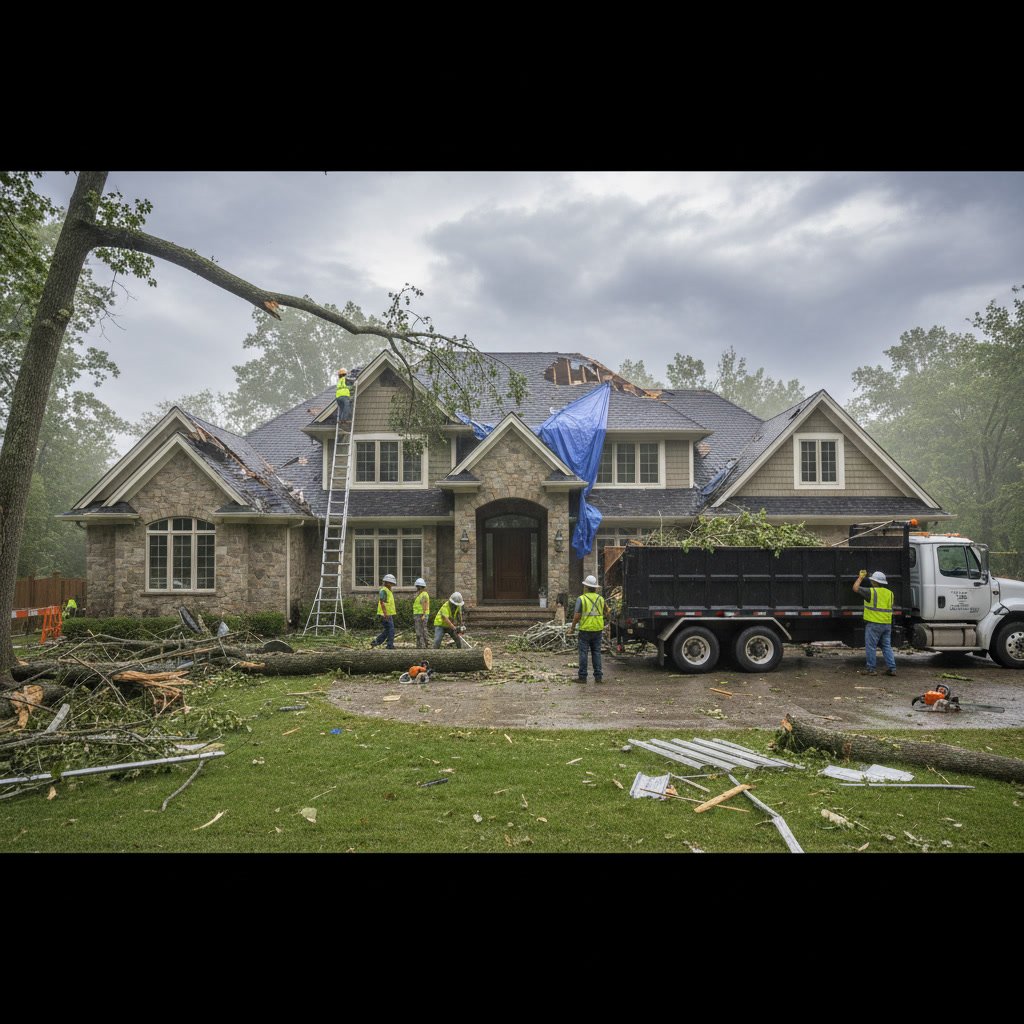
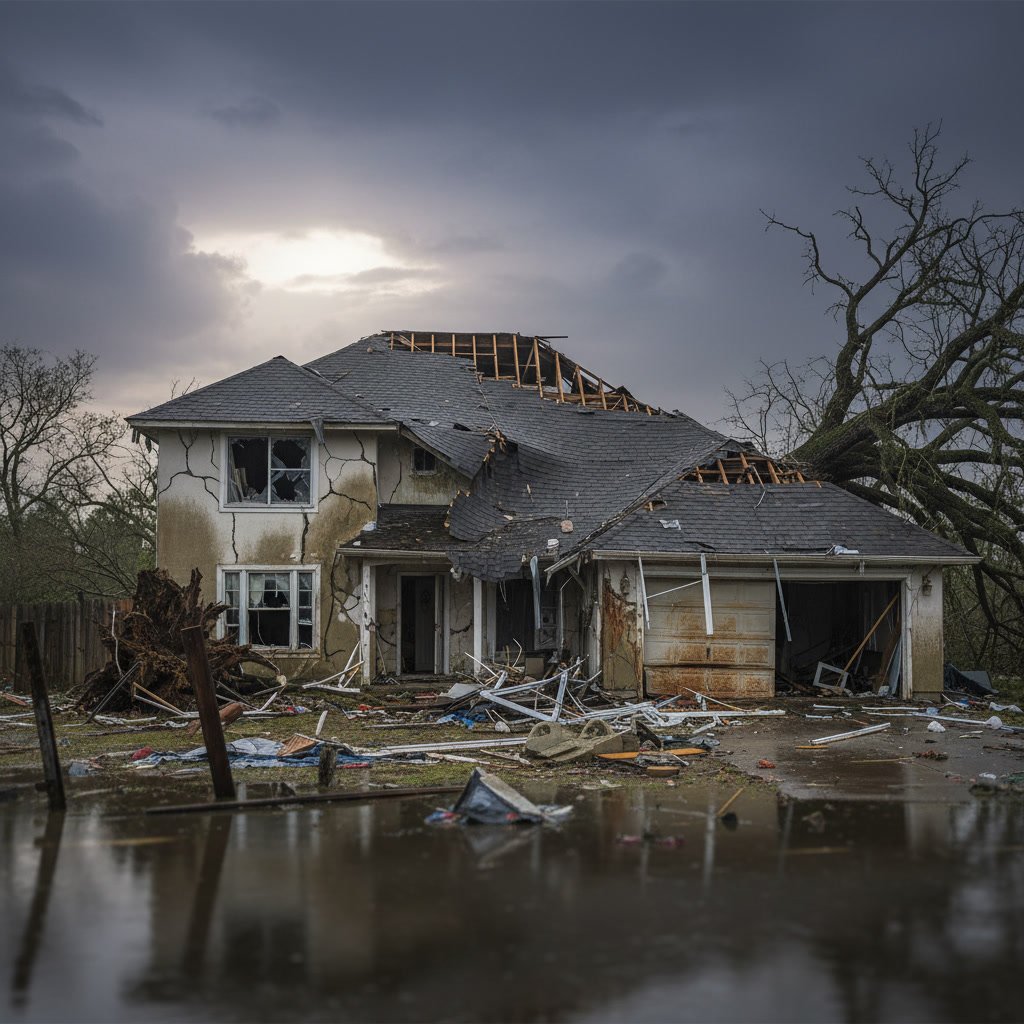
Severe weather often combines multiple damage types in a single event. Wind-driven rain enters through roof damage, while fallen trees breach walls or windows. Properties need evaluation for both immediate flood concerns and structural vulnerabilities created by the storm. Exposed openings require temporary protection to prevent additional water intrusion during subsequent weather events.
Professional teams assess the full scope of damage, prioritizing life safety issues first, then water intrusion, then structural repairs. This sequenced approach appears in comprehensive storm damage restoration protocols that protect your property while repairs progress. Temporary tarping, boarding, and drainage solutions bridge the gap between emergency response and permanent reconstruction.
Documentation Steps Before Restoration Begins
Your insurance claim depends on thorough documentation captured before cleanup starts. Photograph all visible damage from multiple angles, including wide shots showing room context and close-ups of specific problems. Video walkthroughs capture details still images miss. Time-stamp everything and note when you first discovered each issue.
Keep damaged items until your insurance adjuster documents them. Moving or discarding evidence before inspection can complicate claims. Professional restoration companies work directly with insurance carriers, providing detailed moisture readings, equipment logs, and daily progress reports that support your claim. This coordination often determines whether your claim processes smoothly or faces unnecessary delays and disputes.
Protecting Your Property and Peace of Mind
Recognizing these flood damage indicators gives you the knowledge to act quickly when heavy rain threatens your property. The difference between minor repairs and major reconstruction often comes down to response time in those critical first hours. Water damage spreads exponentially, turning contained problems into building-wide emergencies when ignored or delayed.
Professional assessment costs nothing compared to the structural repairs, mold remediation, and content replacement required when damage progresses unchecked. Certified restoration specialists bring moisture detection technology, commercial-grade drying equipment, and documentation expertise that protects both your property and your financial interests throughout the recovery process.
React Restoration LLC provides comprehensive flood damage assessment and restoration services throughout the greater Philadelphia region. Our certified technicians respond immediately to evaluate your property, document damage for insurance purposes, and begin the restoration process that returns your building to pre-loss condition. When you notice any of these warning signs after heavy rain, contact our team at +16108583469 for 24/7 emergency response that stops damage in its tracks.