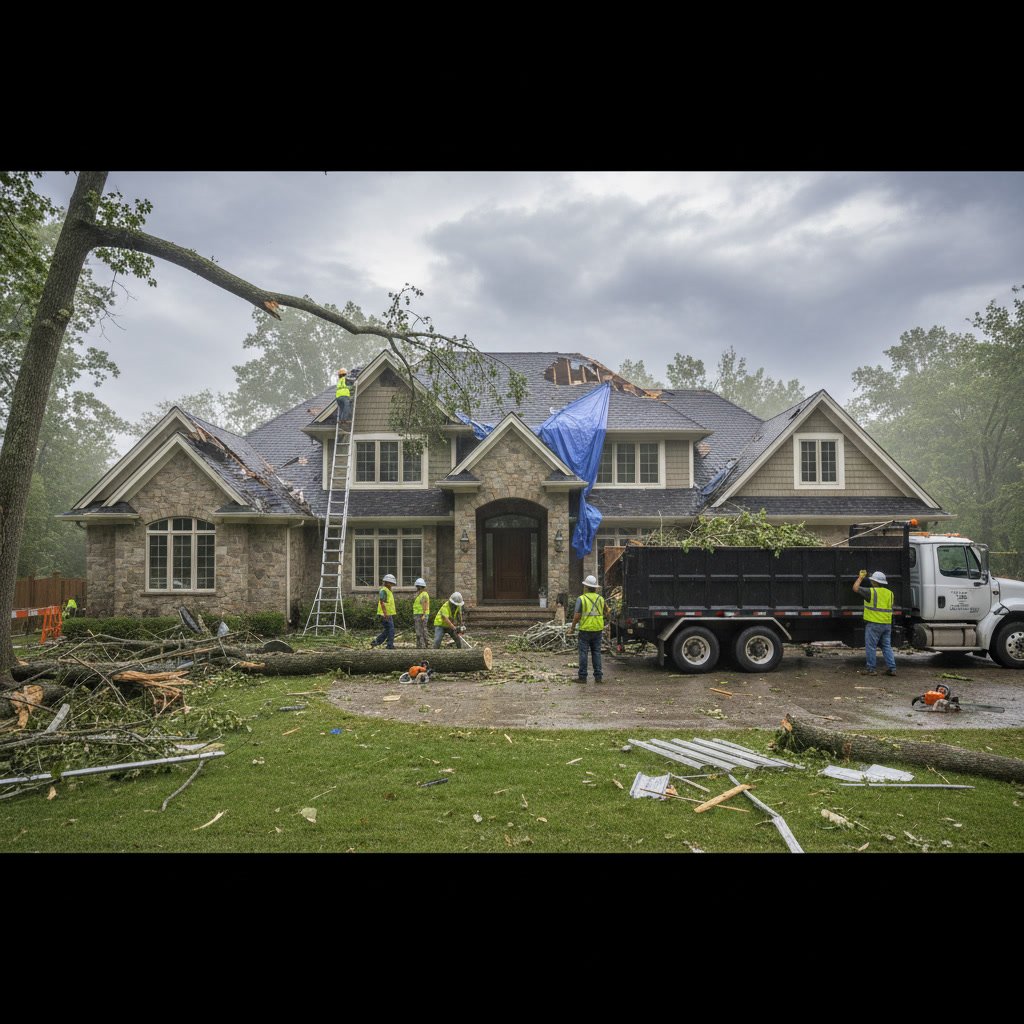
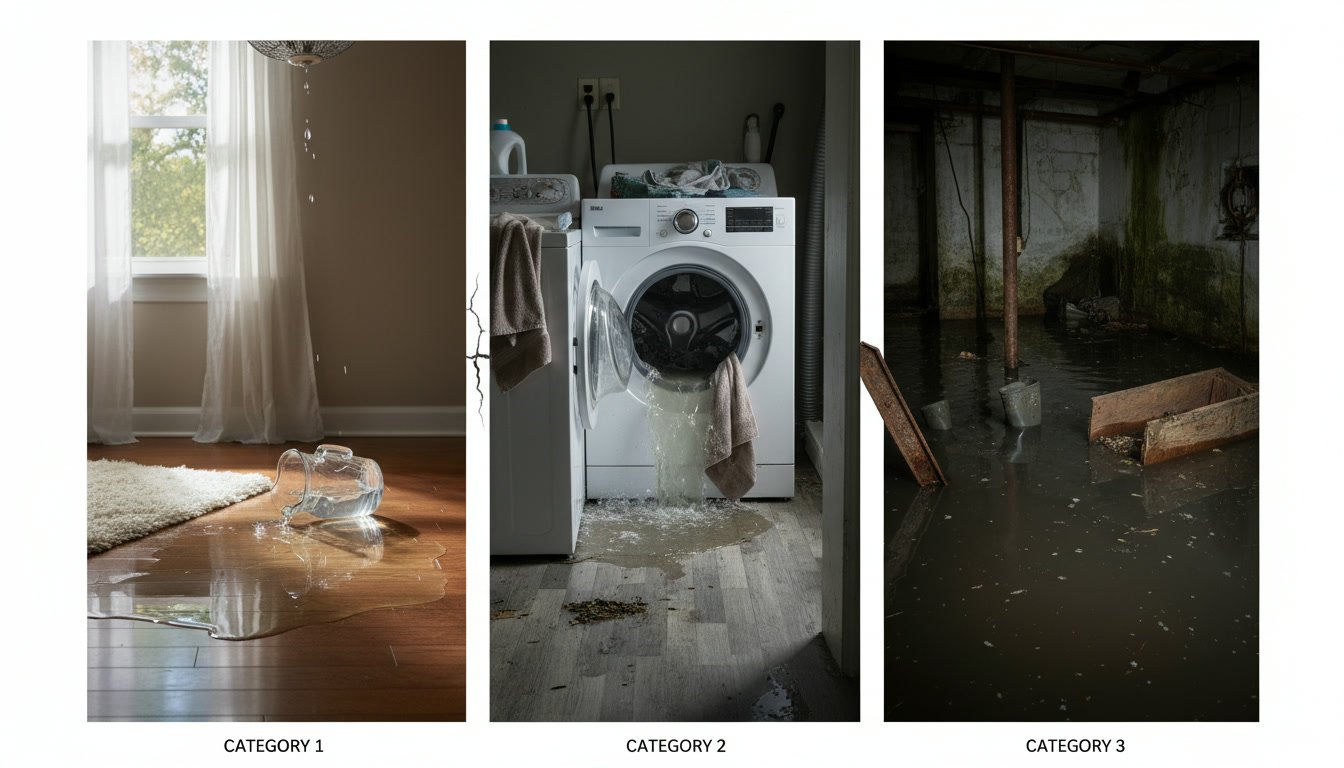
Not all water damage is the same. The IICRC classifies contamination into three distinct water damage categories based on the level of health risk, each requiring specific restoration protocols, safety measures, and equipment to protect occupants and restore properties safely. Category 1 comes from sanitary sources like supply lines, Category 2 contains significant contamination from appliances or fixtures, and Category 3 involves grossly unsanitary water containing pathogens and toxins.
The category determines everything from the personal protective equipment technicians wear to whether materials can be dried and saved or must be removed entirely. Property owners who understand these distinctions make better decisions during emergencies and work more effectively with restoration professionals.
Why Water Contamination Levels Matter More Than Volume
A small sewage backup poses far greater health risks than 500 gallons of clean supply-line water. Restoration companies assess contamination first because it dictates safety protocols, disposal requirements, and restoration timelines. A basement filled with rainwater from a window leak follows completely different procedures than the same basement flooded with washing machine discharge water.
Insurance adjusters also use these categories when evaluating claims. Category 3 losses typically cost 40 to 60 percent more to remediate than Category 1 incidents of similar size because of specialized cleaning requirements, additional disposal fees, and more extensive material removal.
Category 1 Clean Water Sources and Characteristics
Category 1 water originates from sanitary sources that pose no substantial health threat if consumed or contacted. Common sources include broken water supply lines, toilet tanks without contaminants, melting ice or snow, falling rainwater before it contacts other surfaces, and certain appliance overflows.
This classification applies only at the moment of loss. Clean water left standing for 48 hours at room temperature degrades to Category 2 as bacteria multiply. If Category 1 water contacts building materials contaminated with dust, insulation particles, or organic matter, it also elevates to Category 2.
Restoration for Category 1 incidents focuses on rapid water extraction and thorough drying. Most porous materials like drywall, carpet, and insulation can be saved if dried within 24 to 48 hours. Technicians use moisture meters to verify materials reach industry-standard dry goals, typically 12 to 15 percent moisture content for wood framing.

Category 2 Gray Water Contamination and Risks
Category 2 water contains significant chemical, biological, or physical contamination that causes discomfort or sickness if contacted or consumed. Sources include discharge from dishwashers, washing machines, aquariums, waterbed drains, and toilet bowls containing urine but no feces.
Gray water carries elevated bacteria counts, detergents, food particles, and other substances that require protective equipment during cleanup. Technicians wear gloves, eye protection, and sometimes respirators depending on the specific source and duration of exposure.
Carpet and pad affected by Category 2 water can sometimes be restored if extraction occurs within six to eight hours and antimicrobial treatments are applied. However, many restoration professionals recommend replacement for Category 2 pad due to its high absorption rate and difficulty achieving complete sanitization. Drywall that remains wet from gray water for more than 24 hours typically requires removal and replacement because the paper facing cannot be adequately disinfected.
Category 3 Black Water Hazards in Philadelphia Properties
Category 3 water is grossly unsanitary and contains pathogenic agents, toxins, and harmful bacteria or fungi. This classification includes sewage, rising floodwater from rivers or streams, ground surface water flowing into structures, and any standing water that has supported microbial growth.
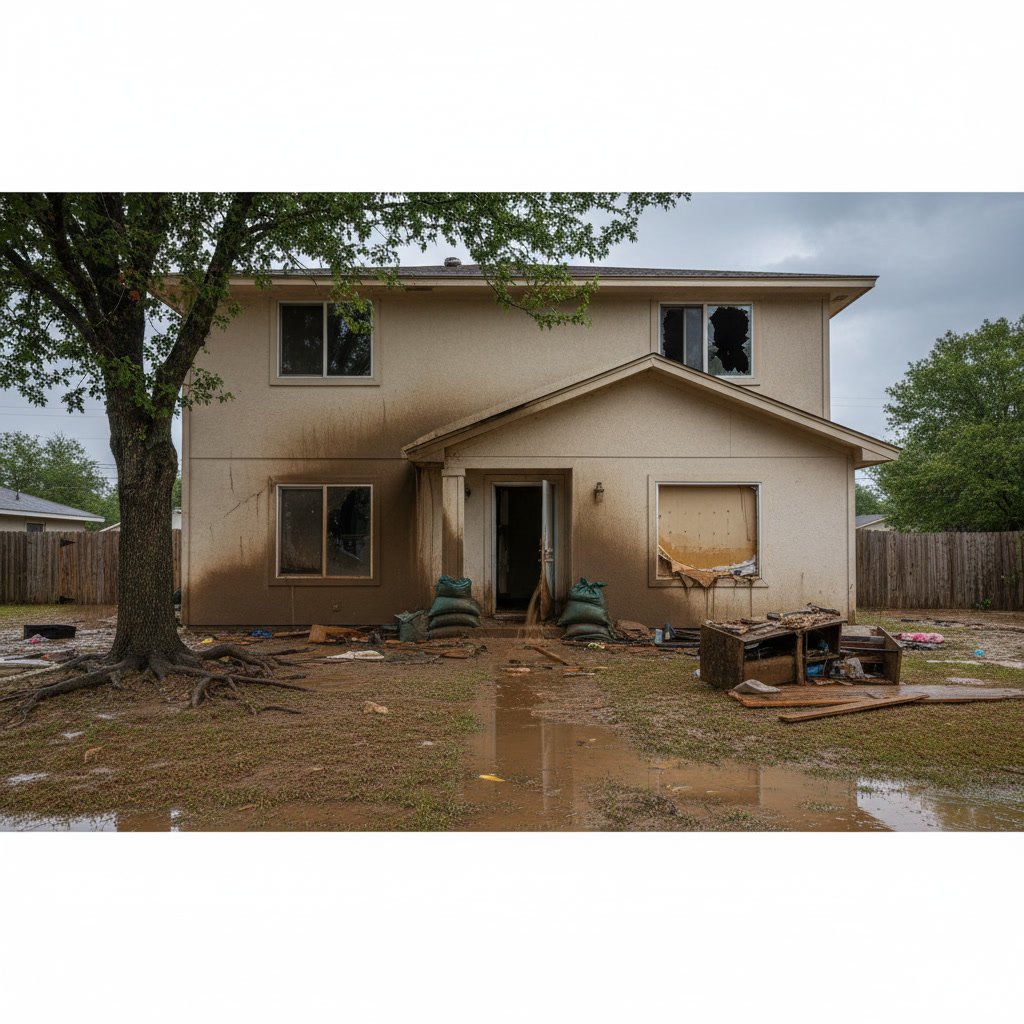
Properties throughout Philadelphia face Category 3 risks from aging sewer infrastructure, basement backups during heavy rain, and flooding from nearby waterways. Even Category 1 or 2 water becomes Category 3 if left untreated long enough for significant microbial amplification.
All porous materials contacted by black water must be removed and disposed of according to local regulations. This includes drywall, insulation, carpet, pad, baseboards, and often subfloor materials. Non-porous surfaces like tile, metal, and sealed concrete can be cleaned and disinfected using EPA-registered antimicrobials, but the process requires multiple applications and verification testing.
How Restoration Protocols Change Across Categories
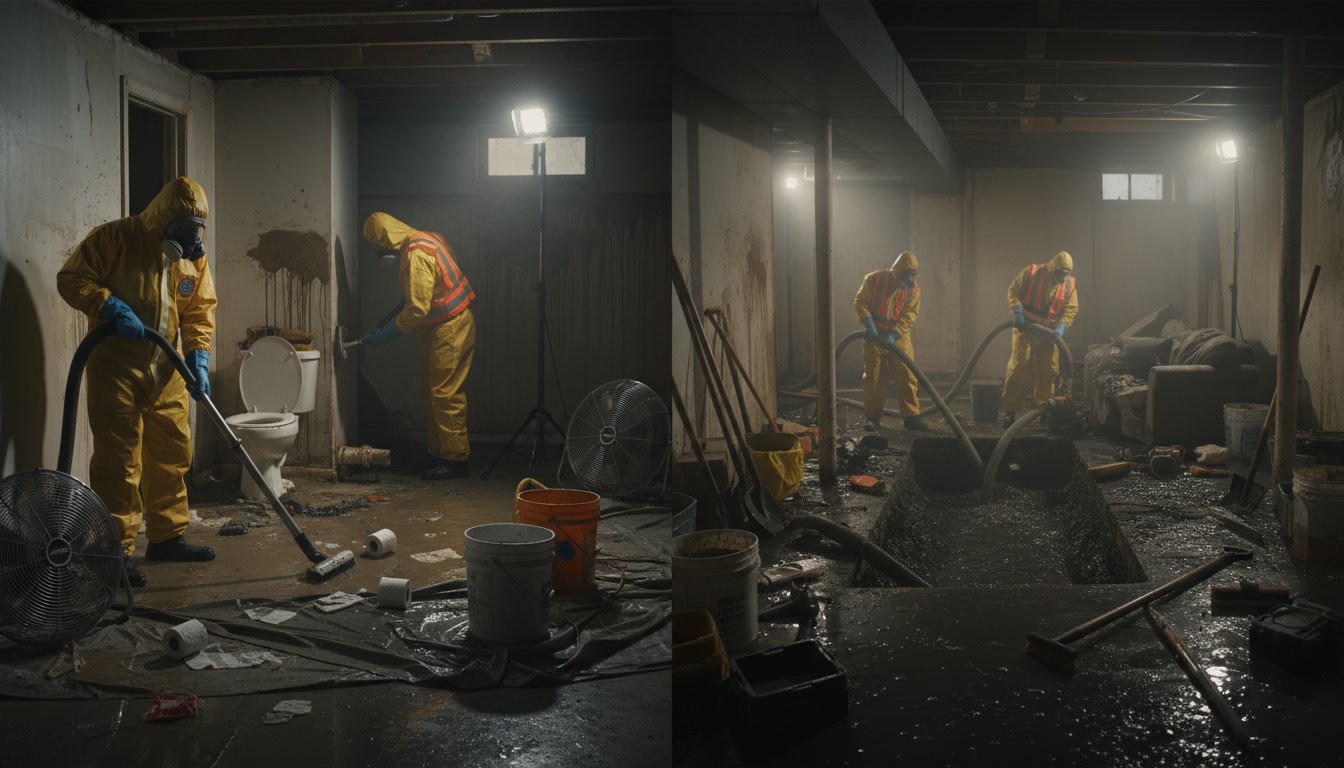
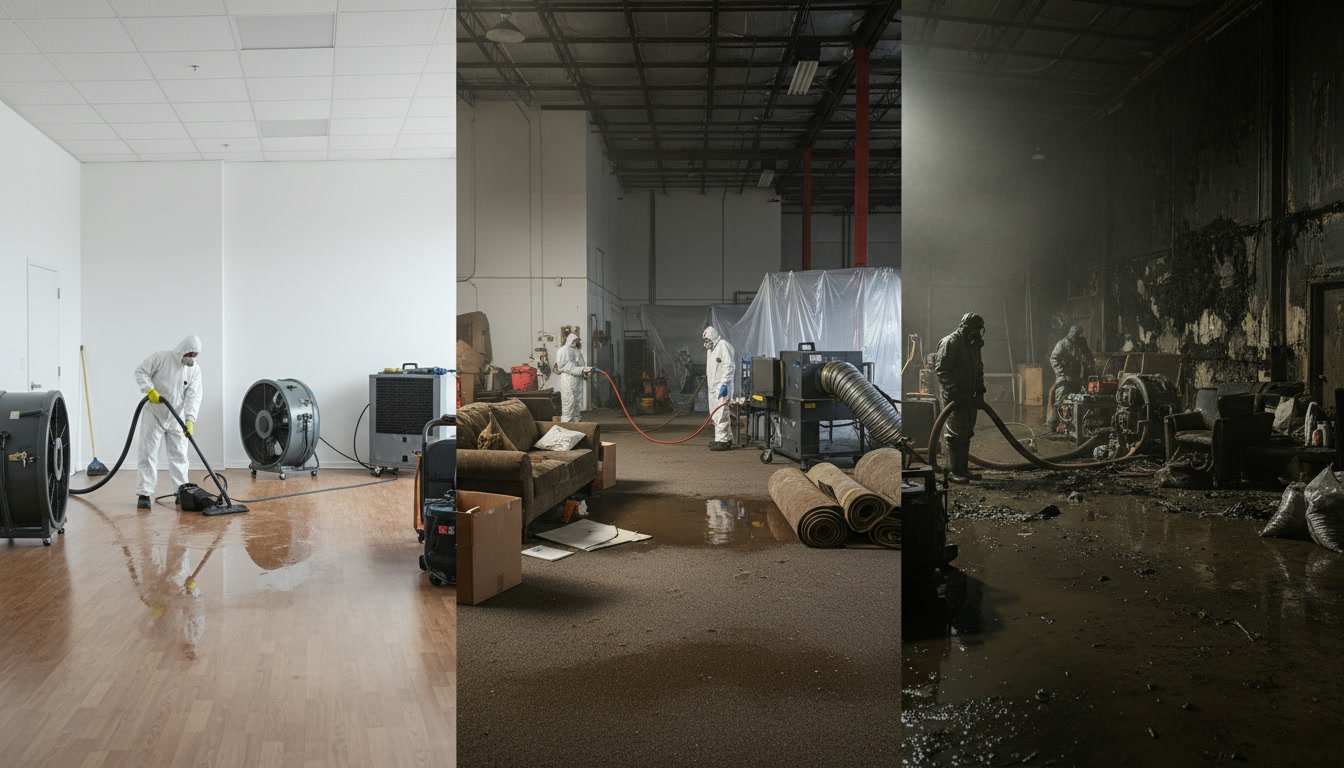
Category 1 restoration crews arrive with extractors, air movers, and dehumidifiers. Category 3 teams bring the same equipment plus full personal protective gear, antimicrobial chemicals, containment barriers, negative air machines with HEPA filtration, and disposal containers for contaminated materials.
Drying goals remain consistent across categories, but Category 2 and 3 work adds sanitation steps. After extraction, affected areas receive antimicrobial application. Once materials dry, surfaces undergo a second disinfection before reconstruction begins. Some restoration companies also perform post-remediation testing to verify bacterial counts meet safe thresholds.
Containment becomes critical in Category 3 projects. Technicians seal affected areas with plastic sheeting and create negative air pressure to prevent airborne contaminants from spreading to unaffected spaces. This step rarely appears in Category 1 work unless mold growth has already occurred.
Category Escalation and the 48 Hour Rule
Water contamination rarely stays static. Category 1 water sitting in a crawl space for three days absorbs organic debris, supports bacterial growth, and becomes Category 2 or 3. The 48-hour window represents the industry standard threshold, though escalation can occur faster in warm environments or slower in cool, dry conditions.
This escalation explains why 24/7 emergency response services matter. A supply line break discovered Monday morning might qualify as Category 1. The same break discovered Friday evening and left until Monday becomes Category 2, requiring more extensive and expensive remediation.
Property owners sometimes delay calling professionals because initial damage appears minor. By the time restoration begins, category escalation has occurred, materials that could have been saved require replacement, and costs multiply. Understanding the complete water damage restoration process from start to finish helps property owners recognize why immediate action protects both health and budgets.
Material-Specific Restoration Decisions by Category
Hardwood flooring demonstrates how category influences salvage decisions. Category 1 water on hardwood requires immediate extraction and drying with specialty floor mats that pull moisture from below. If dried within 48 hours, most hardwood can be saved, though minor cupping may occur. Category 2 water on the same floor adds antimicrobial treatment and closer monitoring for staining or odor. Category 3 contact typically means removal and replacement because sewage components penetrate wood grain and cannot be fully extracted or sanitized.
Ceiling materials present similar category-driven choices. Category 1 water staining on drywall can sometimes be dried, sealed, and repainted. Category 2 may require cutting out the affected section and replacing it. Category 3 always requires removal of at least the affected drywall plus an additional 12 to 24 inches beyond visible damage to ensure complete contamination removal.
Insulation responds poorly to any water contact, but category determines urgency. Wet fiberglass insulation from Category 1 water should be removed because it loses R-value and rarely dries effectively. The same insulation contacted by Category 3 water becomes a biohazard requiring immediate removal and specialized disposal.
Health Risks and Exposure Limits for Each Category
Category 1 water poses minimal immediate health risk, though prolonged skin contact can cause irritation and any untreated moisture creates conditions for mold growth within 24 to 48 hours. Property occupants can often remain in unaffected areas during Category 1 restoration.
Category 2 exposure can cause gastrointestinal distress, skin infections, and respiratory irritation. Young children, elderly occupants, and anyone with compromised immune systems should avoid direct contact. Occupants typically remain in the property but stay out of active work zones.
Category 3 water carries serious pathogens including E. coli, Salmonella, Hepatitis A virus, and various parasites. Direct contact can cause severe illness. Inhalation of airborne particles during demolition creates respiratory risks. Most restoration companies recommend temporary relocation during Category 3 remediation, especially if work affects common areas or HVAC systems.

Documentation Requirements for Insurance Claims
Insurance adjusters need clear category classification to process claims accurately. Restoration companies photograph water sources, document pre-loss material conditions, and note category determination in initial assessments. This documentation affects coverage decisions because policies often treat Category 3 losses differently than Category 1 or 2.
Some policies exclude certain Category 3 sources like sewer backups unless specific endorsements exist. Others apply different deductibles or coverage limits. Property owners benefit from having restoration professionals who understand these distinctions and provide thorough documentation supporting insurance claims.
Photographic evidence becomes especially important when category escalation occurs. Pictures showing initial Category 1 water plus timestamps demonstrating when the property owner discovered the loss and when professionals arrived help establish that escalation resulted from circumstances beyond the owner’s control rather than delayed response.
Equipment and Technology Differences Across Restoration Types
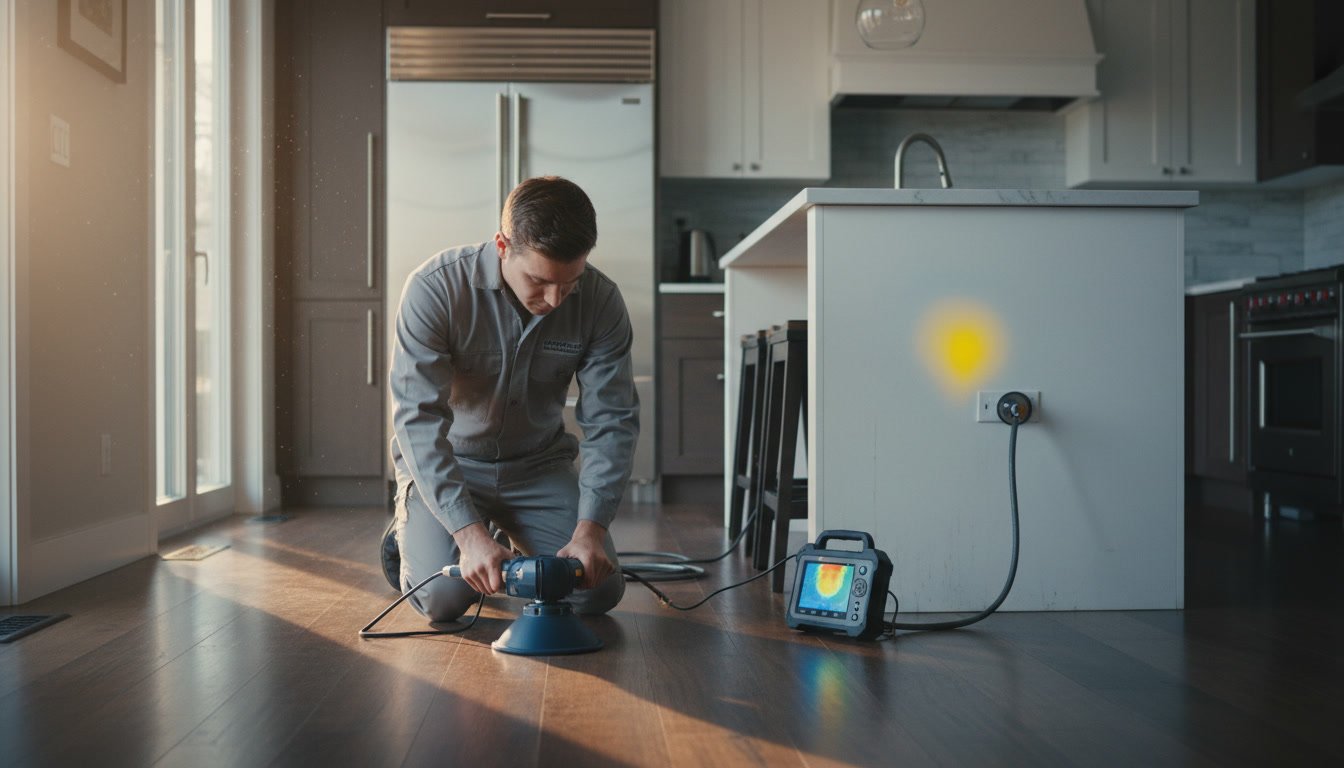
Category 1 restoration relies on extraction wands, truck-mounted or portable extractors, axial air movers, and low-grain refrigerant dehumidifiers. Technicians monitor progress with moisture meters, thermo-hygrometers, and thermal imaging cameras to identify hidden moisture pockets.
Category 2 work adds antimicrobial sprayers, UV sanitizing equipment, and sometimes hydroxyl generators or ozone machines for odor control. Disposal becomes more regulated, requiring separate containers and specific hauling procedures depending on local waste management rules.
Category 3 remediation brings full containment systems including negative air machines equipped with HEPA filters that capture 99.97 percent of particles 0.3 microns or larger. Technicians wear Tyvek suits, respirators with P100 filters, rubber boots, and multiple layers of gloves. All contaminated materials go into sealed bags or containers marked as biohazard waste.
The cost difference reflects these equipment and safety requirements. A Category 1 extraction in a 500-square-foot basement might cost 2,500 to 4,000 dollars. The same basement affected by Category 3 sewage could run 8,000 to 15,000 dollars depending on contamination depth and material removal extent.
Working With Professionals Who Understand Category Distinctions
Certified restoration specialists receive training in IICRC S500 standards that define these categories and specify appropriate responses. React Restoration LLC applies these protocols across every project, ensuring health safety and thorough remediation whether addressing a broken supply line or a sewage backup.
Proper category assessment requires experience. Some sources appear clean but contain hidden contamination. Refrigerator supply lines connect to food storage areas. Toilet supply lines may look sanitary but sometimes experience backflow. Dishwasher overflows mix food waste with supply water. Trained technicians recognize these nuances and classify water correctly from the start, preventing inadequate remediation that leaves health risks or future problems.
The right restoration partner communicates category determination clearly, explains why specific protocols apply, and provides transparent pricing that reflects actual contamination levels rather than upselling unnecessary services. Property owners should expect detailed written scopes that specify category, affected materials, planned removal versus drying, and antimicrobial treatments when applicable.
Understanding these three contamination levels helps you make informed decisions when water damage occurs. Knowing whether you face Category 1, 2, or 3 water guides your immediate response, clarifies why certain materials must be removed, and sets realistic expectations for remediation timelines and costs. React Restoration LLC provides experienced assessment and category-appropriate restoration throughout the Philadelphia region, combining technical knowledge with clear communication that helps property owners navigate damage with confidence.
When water damage affects your property, category classification determines your next steps and influences long-term outcomes. Our certified team responds quickly to assess contamination levels, implement appropriate safety measures, and restore your property using protocols matched to actual risk. Contact us at +16108583469 for immediate assistance with any water damage emergency.