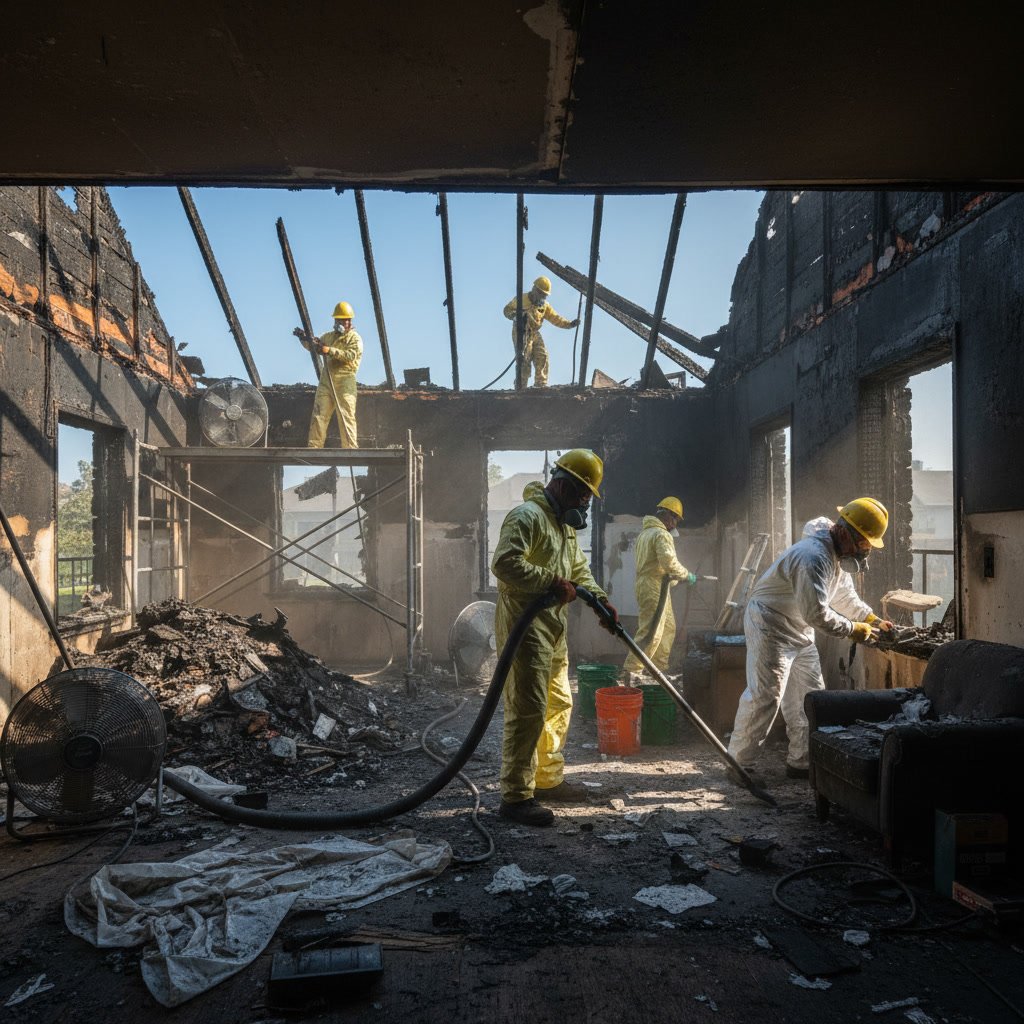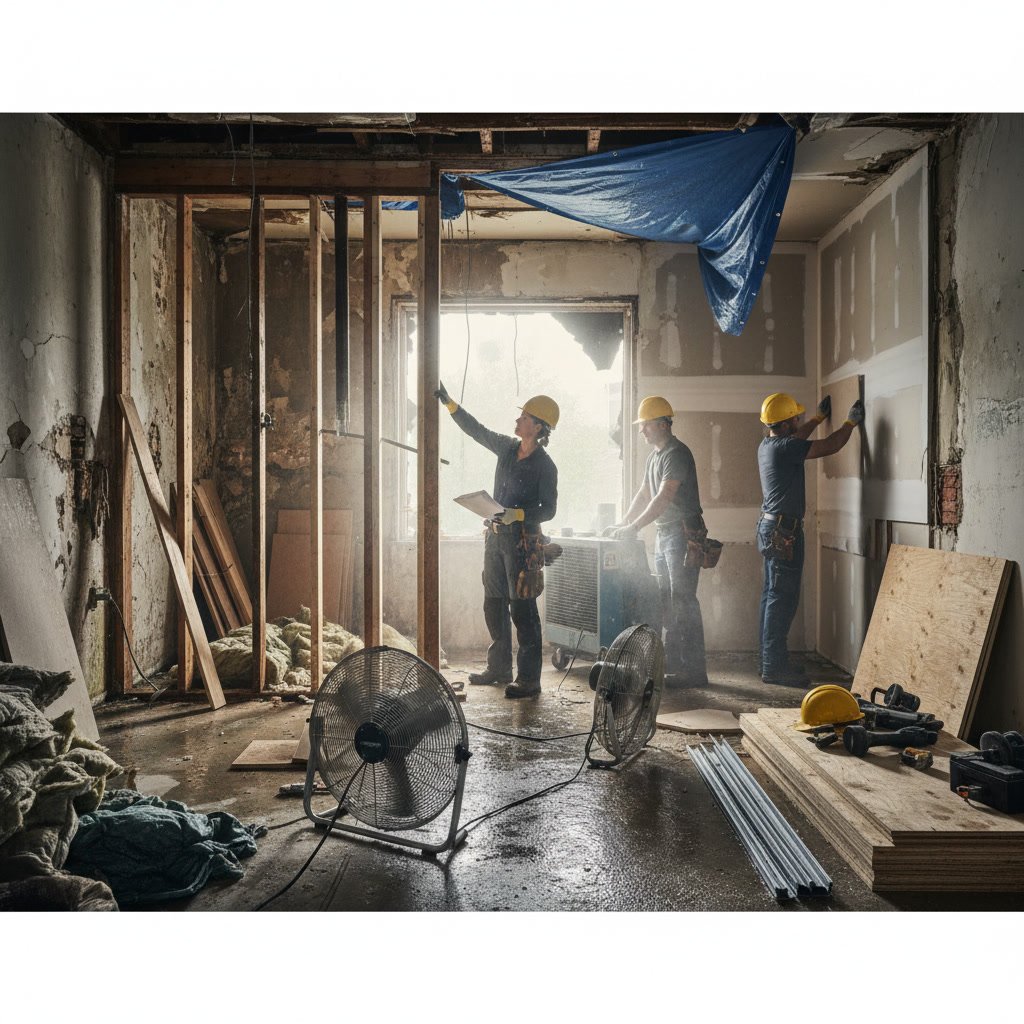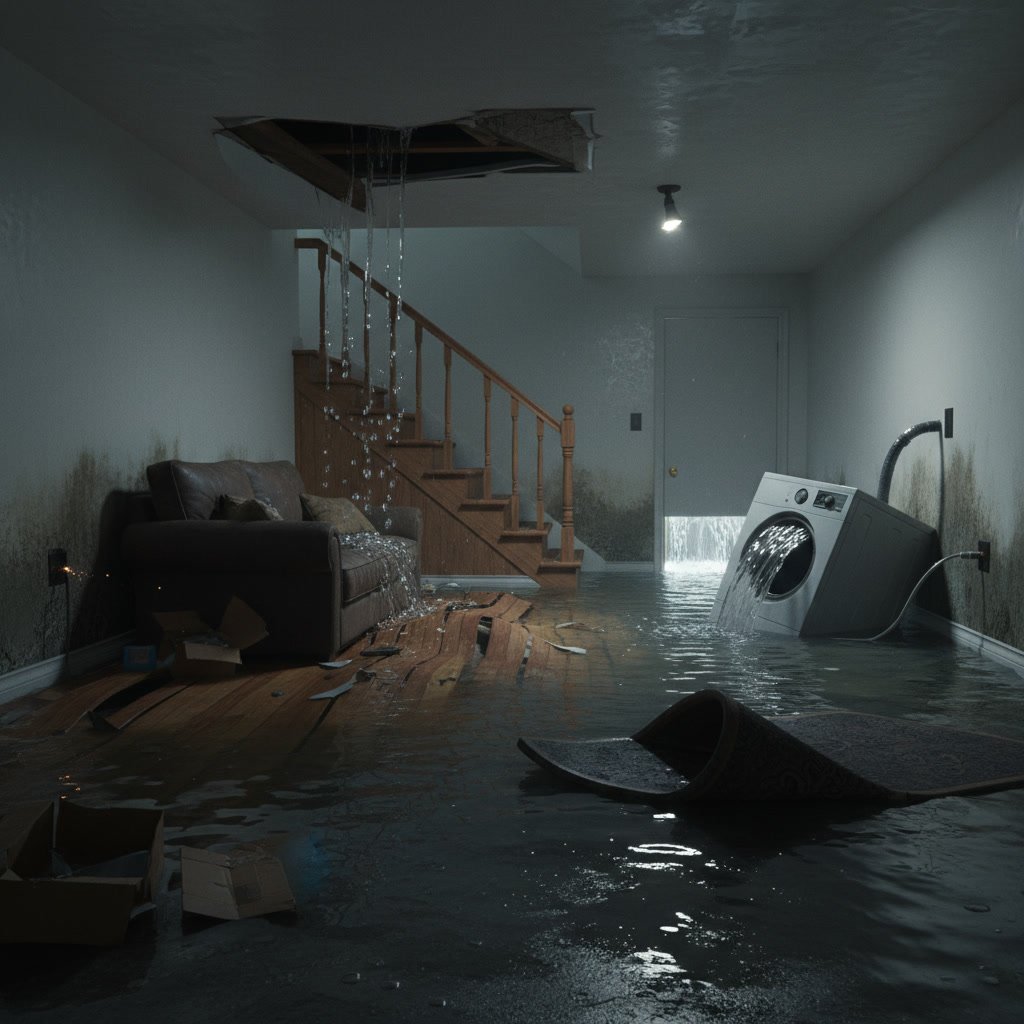
Professional water damage restoration follows a precise, multi-step water damage restoration process designed to dry, sanitize, and restore properties to pre-loss condition. The process typically begins with emergency contact and assessment within 60 minutes, followed by water extraction, structural drying, antimicrobial treatment, and final reconstruction. Understanding each phase helps property owners know what to expect during recovery and ensures nothing gets overlooked during insurance claims.
Why Quick Response Matters More Than Most People Realize
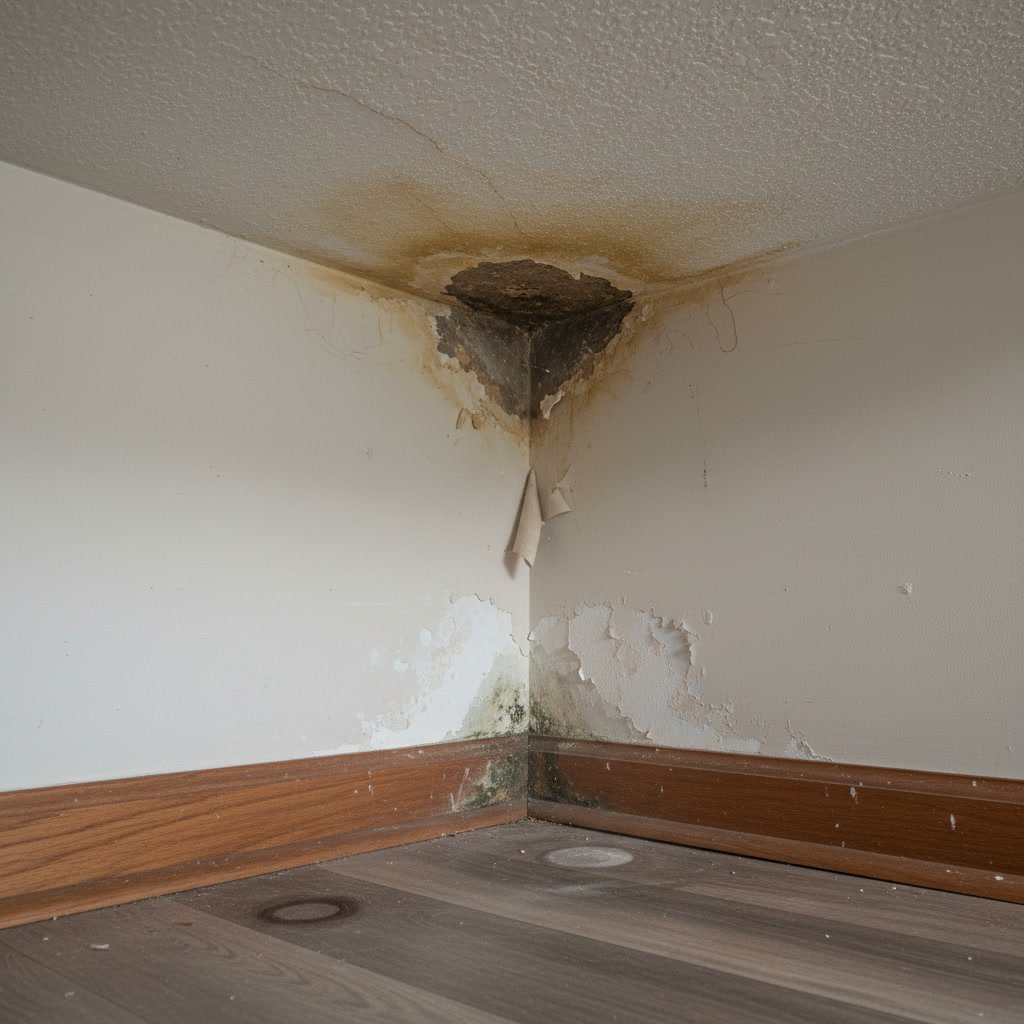
Water spreads rapidly through building materials, with drywall absorbing moisture within minutes and subfloors becoming saturated within hours. Every hour of delay increases structural damage, amplifies mold risk, and raises restoration costs. Category 1 clean water can degrade to Category 2 gray water in as little as 48 hours as bacteria multiply, changing both the scope and cost of cleanup.
Professional restoration teams track moisture progression using industry metrics. Structural materials begin losing integrity after 24 hours of saturation, wood flooring can cup and buckle within 12 hours, and microbial growth often begins within 48 to 72 hours under the right conditions.
Understanding Water Categories and How They Affect Restoration
Not all water damage requires the same approach. The restoration industry classifies water into three categories based on contamination level, and this classification drives every decision in the restoration plan.
Category 1 water originates from sanitary sources like supply lines, faucets, or rainwater that has not contacted contaminants. Category 2 gray water contains some level of contamination from sources like washing machines, dishwashers, or toilet bowls with urine but no feces. Category 3 black water is grossly contaminated and may contain sewage, rising floodwater from rivers, or water that has sat stagnant for days.
Each category requires different safety protocols, different drying equipment, and different disposal procedures for affected materials. Black water scenarios often require complete removal of porous materials like carpet, padding, and drywall up to 24 inches above the waterline rather than attempting to dry and sanitize them.
Step One in the Water Damage Restoration Process in Philadelphia
The first phase begins with emergency contact. When you call a certified restoration company, the intake specialist collects critical information including the water source, affected areas, whether power is safe, and any immediate hazards. Dispatch happens immediately for emergency situations, with technicians typically arriving within 60 to 90 minutes for properties in the primary service area.
Upon arrival, technicians perform a safety assessment before entering. They check for electrical hazards, structural instability, and potential contamination. Only after the scene is deemed safe does the team proceed to document conditions and begin mitigation.
Initial Inspection and Damage Assessment
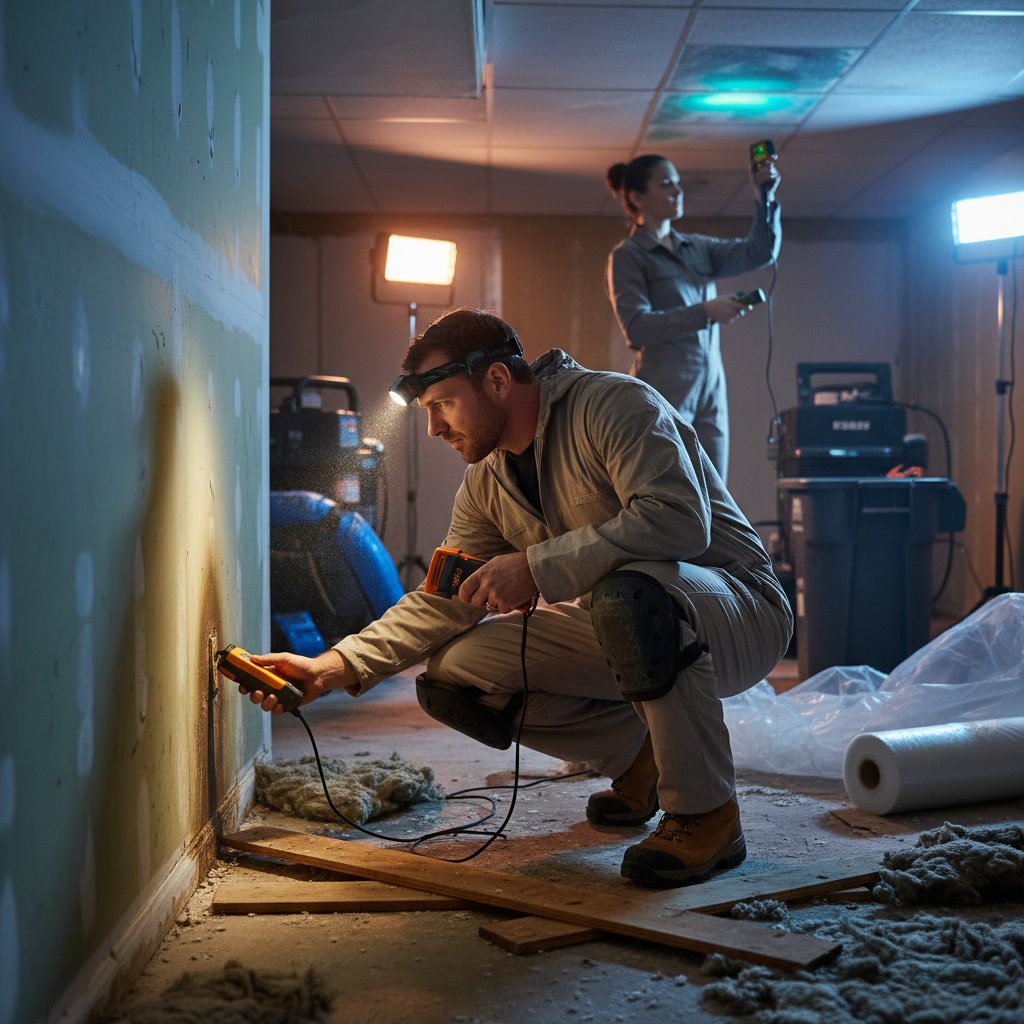
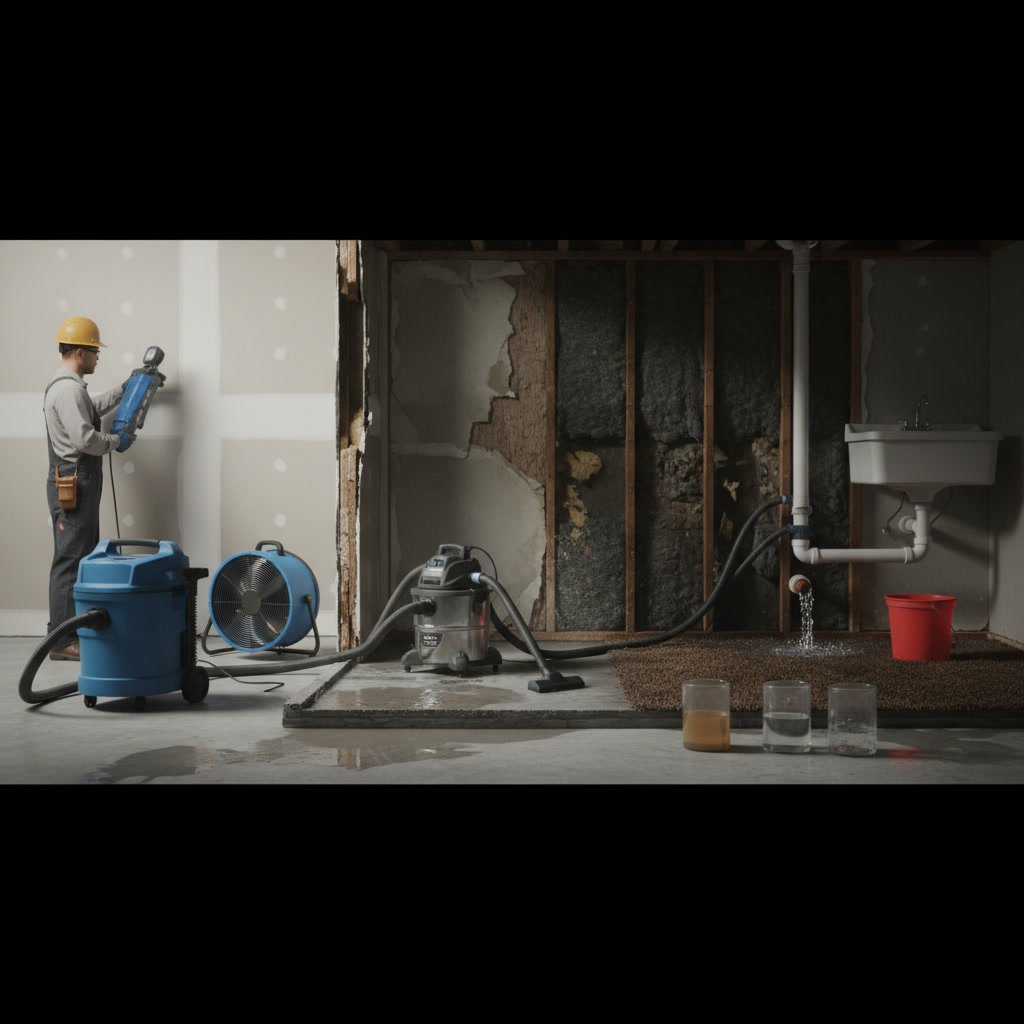
Certified technicians conduct a room-by-room inspection using thermal imaging cameras, moisture meters, and hygrometers to detect hidden moisture pockets. They measure moisture levels in walls, floors, and ceilings to establish a baseline for tracking drying progress.
This assessment determines the water classification, identifies all affected materials, and establishes the drying plan. Technicians document everything with photos, diagrams, and moisture readings. This documentation becomes essential for insurance claims and ensures nothing gets missed during restoration.
The inspection also identifies the source. If the leak remains active, restoration cannot proceed effectively until the water supply is stopped. This might require emergency plumbing repairs or temporary shutoffs.
Water Removal and Extraction
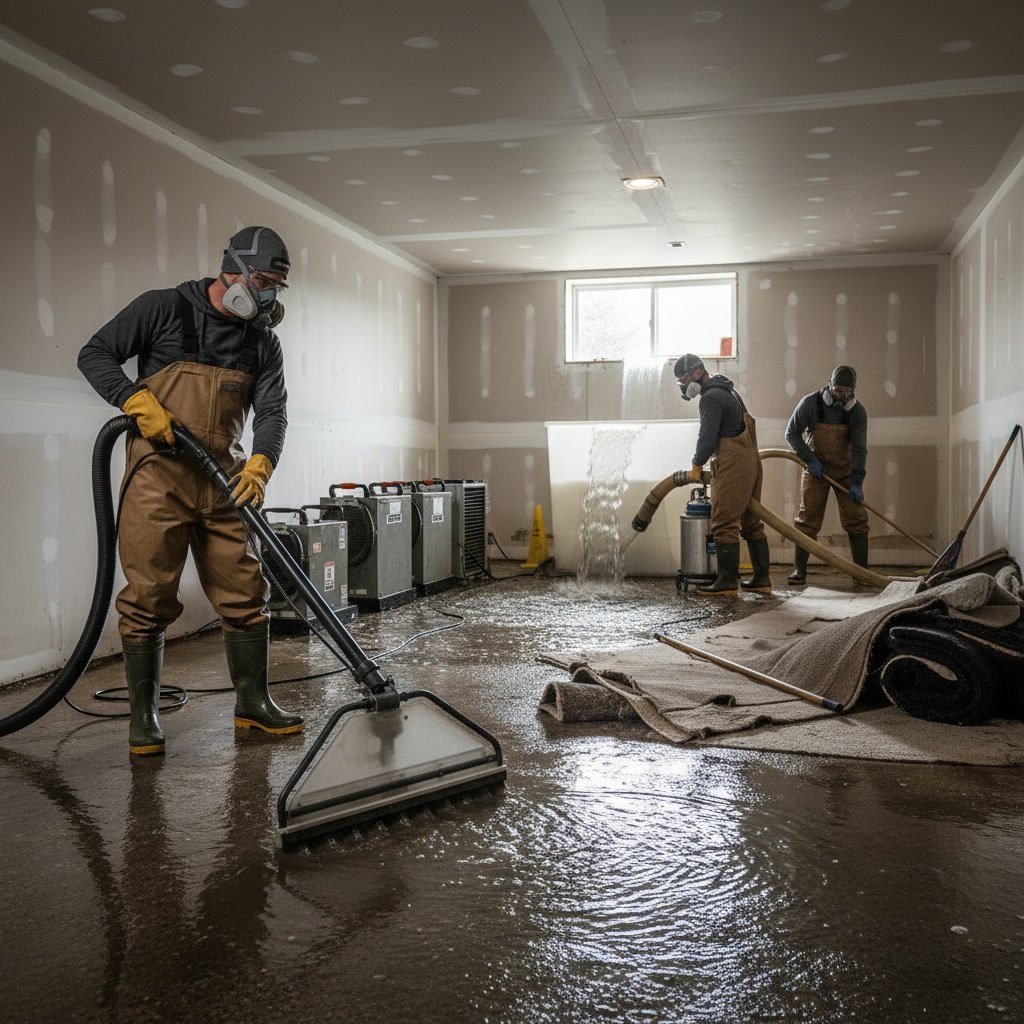
Extraction begins immediately after assessment. Standing water removal happens first using truck-mounted or portable extraction units capable of removing hundreds of gallons per minute. The faster water is removed, the less it migrates into walls, subfloors, and adjacent rooms.
Technicians use weighted extractors on carpets and upholstery to pull water from fibers and padding. For hard surfaces, squeegees and extraction wands remove surface water before moisture can penetrate deeper. Submersible pumps handle deep standing water in basements or crawl spaces.
Extraction reduces moisture content but never removes 100% of water. The remaining moisture requires specialized drying equipment to complete the job. Proper water extraction services set the foundation for successful structural drying in the next phase.
Structural Drying and Dehumidification
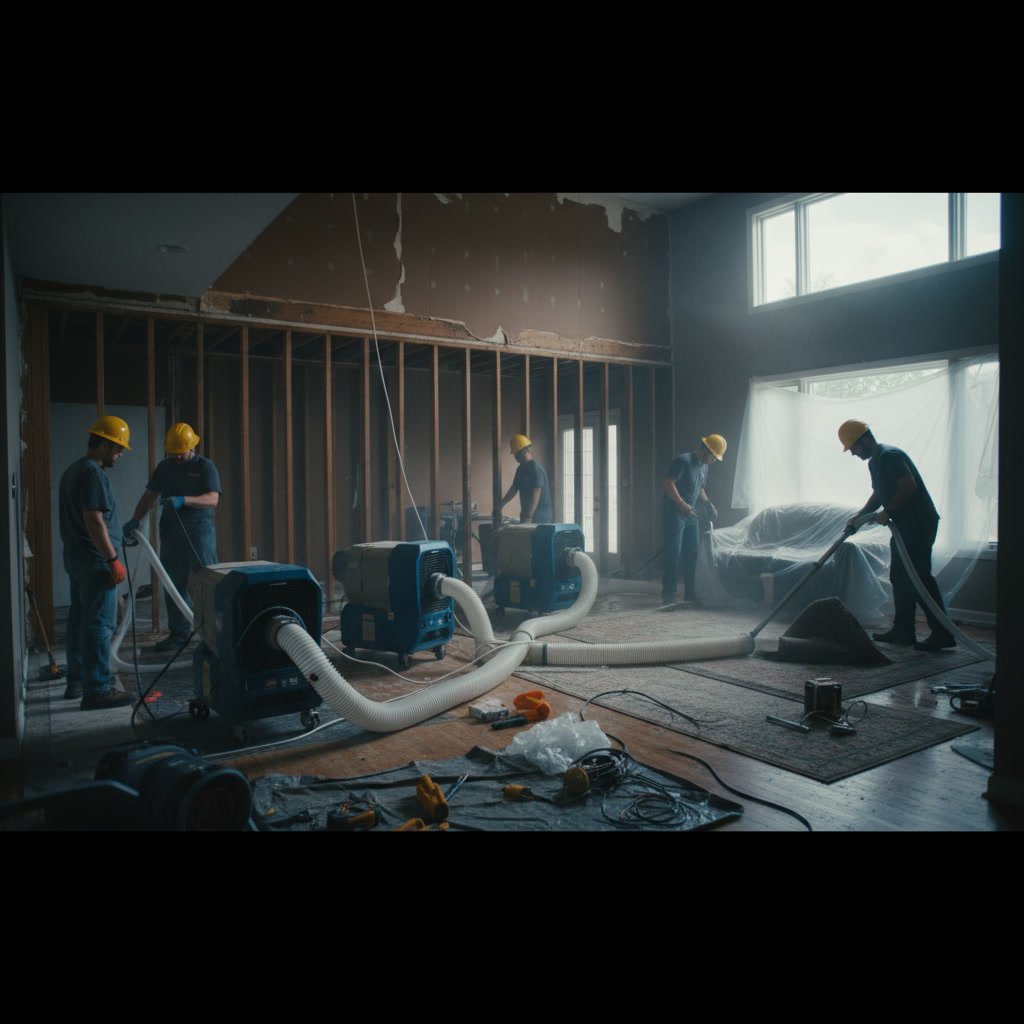
After extraction, industrial air movers and commercial dehumidifiers run continuously to dry structural components and contents. Air movers create airflow across wet surfaces, accelerating evaporation. Dehumidifiers remove moisture from the air, preventing it from reabsorbing into materials.
Technicians calculate the precise number and placement of equipment based on room size, materials affected, and moisture readings. They may use specialty drying mats for hardwood floors or inject heated air into wall cavities to dry insulation and framing without removing drywall.
Daily monitoring tracks drying progress. Technicians adjust equipment placement and document moisture levels until readings reach industry-standard dry goals. Typical drying times range from three to five days for light damage and seven to 14 days for severe saturation, depending on materials and conditions.
Cleaning, Sanitizing, and Antimicrobial Treatment
Once moisture levels stabilize, cleaning and sanitizing begin. All affected surfaces receive antimicrobial treatment to prevent mold growth and eliminate bacteria. Category 2 and 3 water require more aggressive disinfection protocols following IICRC standards.
Contents cleaning happens simultaneously. Salvageable furniture, documents, electronics, and personal items are cleaned, dried, and deodorized using specialized techniques. Items too damaged to restore are documented and inventoried for insurance purposes.
Air scrubbers with HEPA filtration run during this phase to capture airborne particles and improve indoor air quality. Odor removal may require thermal fogging or ozone treatment depending on the severity and water category.
Reconstruction and Final Restoration
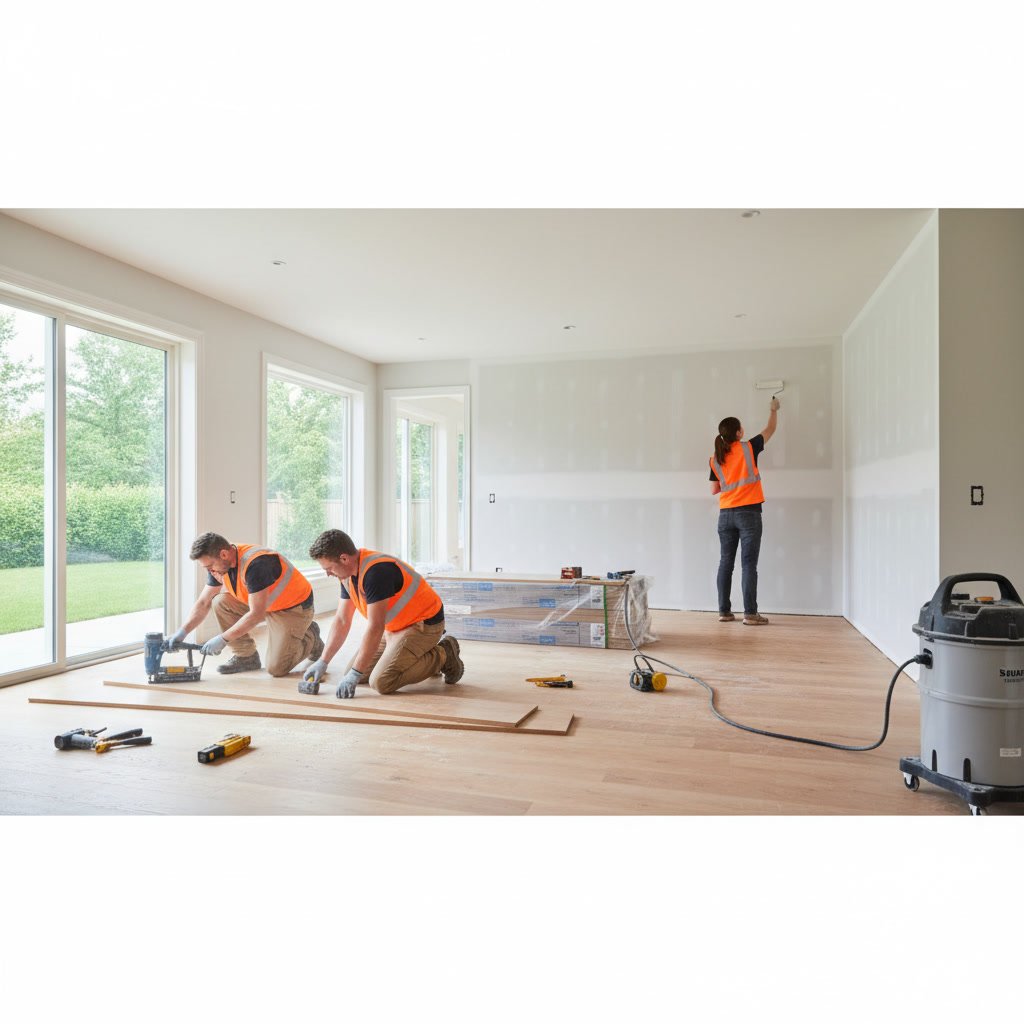
Reconstruction begins after complete drying and cleaning. This phase rebuilds what was removed during mitigation including drywall, flooring, trim, cabinetry, and paint. The goal is restoring your property to pre-loss condition or better.
Professional restoration companies often handle both mitigation and reconstruction under one contract, streamlining the timeline and ensuring quality control throughout. This integrated approach prevents delays between drying completion and rebuild start.
Reconstruction scope varies dramatically based on damage extent. Minor jobs might require only baseboard replacement and paint. Major losses could involve complete room rebuilds, new flooring systems, or structural repairs. Full-service restoration reconstruction capabilities eliminate the need to coordinate multiple contractors.
Ongoing Monitoring and Quality Assurance
Quality restoration does not end when equipment leaves. Professional companies conduct final moisture checks and visual inspections to verify complete drying and proper reconstruction. They provide documentation showing before and after readings, confirming the job meets industry standards.
Some materials require monitoring even after equipment removal. Hardwood floors, for example, need time to acclimate after drying. Technicians may schedule follow-up visits to verify no moisture rebound occurs and that materials stabilize properly.
Final walk-throughs with property owners ensure satisfaction and address any questions about maintenance or prevention. This is when restoration companies explain warranty coverage and provide recommendations for preventing future damage.
How Insurance Integration Simplifies the Process
Working with a restoration company experienced in insurance procedures reduces stress during an already difficult time. These companies document everything insurers need, communicate directly with adjusters, and provide detailed estimates that match insurance software formats.
They understand depreciation calculations, coverage limitations, and the documentation standards adjusters expect. This expertise helps maximize claim approval and minimizes out-of-pocket costs. Many restoration companies bill insurance directly after deductible payment, eliminating the need for property owners to pay upfront and seek reimbursement.
Understanding the cost factors involved can help you prepare for the financial aspects of restoration, as outlined in this helpful guide on restoration costs in the Philadelphia area.
Moving Forward with Confidence After Water Damage
The water damage restoration process transforms a stressful emergency into a manageable, step-by-step recovery. Professional teams handle each phase with precision, from initial water removal through final reconstruction, ensuring your property returns to safe, livable condition. Knowing what to expect at each stage helps you make informed decisions and work effectively with your restoration team and insurance adjuster.
React Restoration LLC brings certified expertise and proven processes to every water damage situation across Bucks County, Delaware County, Montgomery County, and surrounding areas. The team handles everything from emergency water extraction through complete reconstruction, working directly with your insurance company to streamline the entire process. When water damage strikes your property, rapid response makes all the difference in minimizing damage and controlling costs. Call +16108583469 any time, day or night, for immediate assistance and a thorough damage assessment.