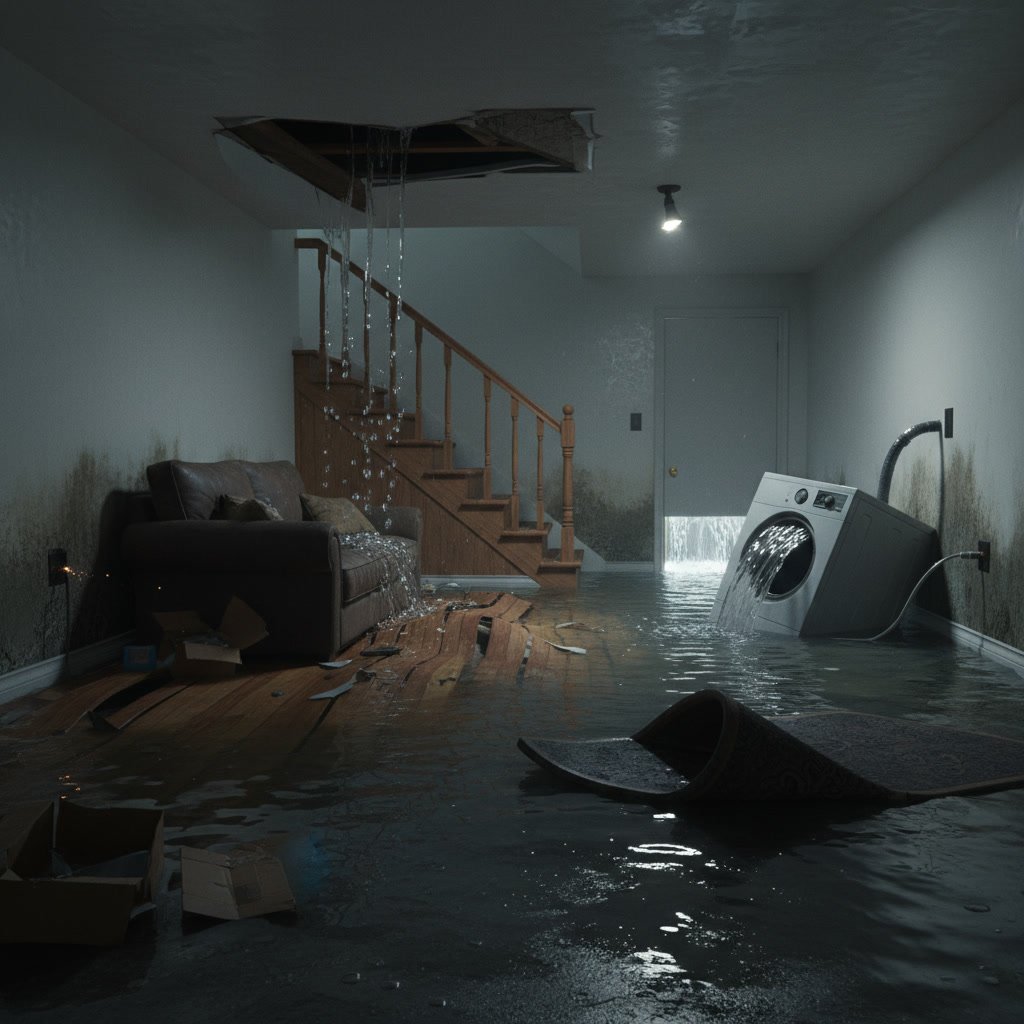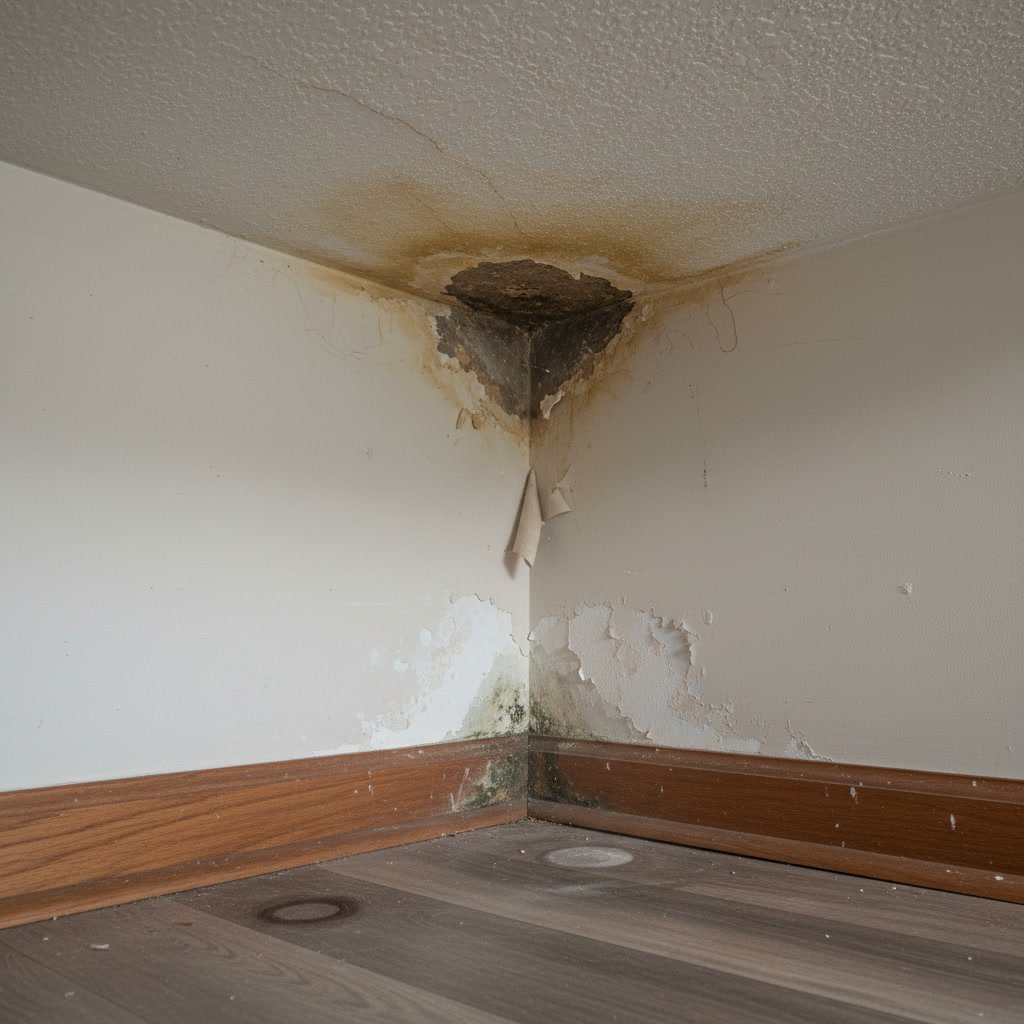
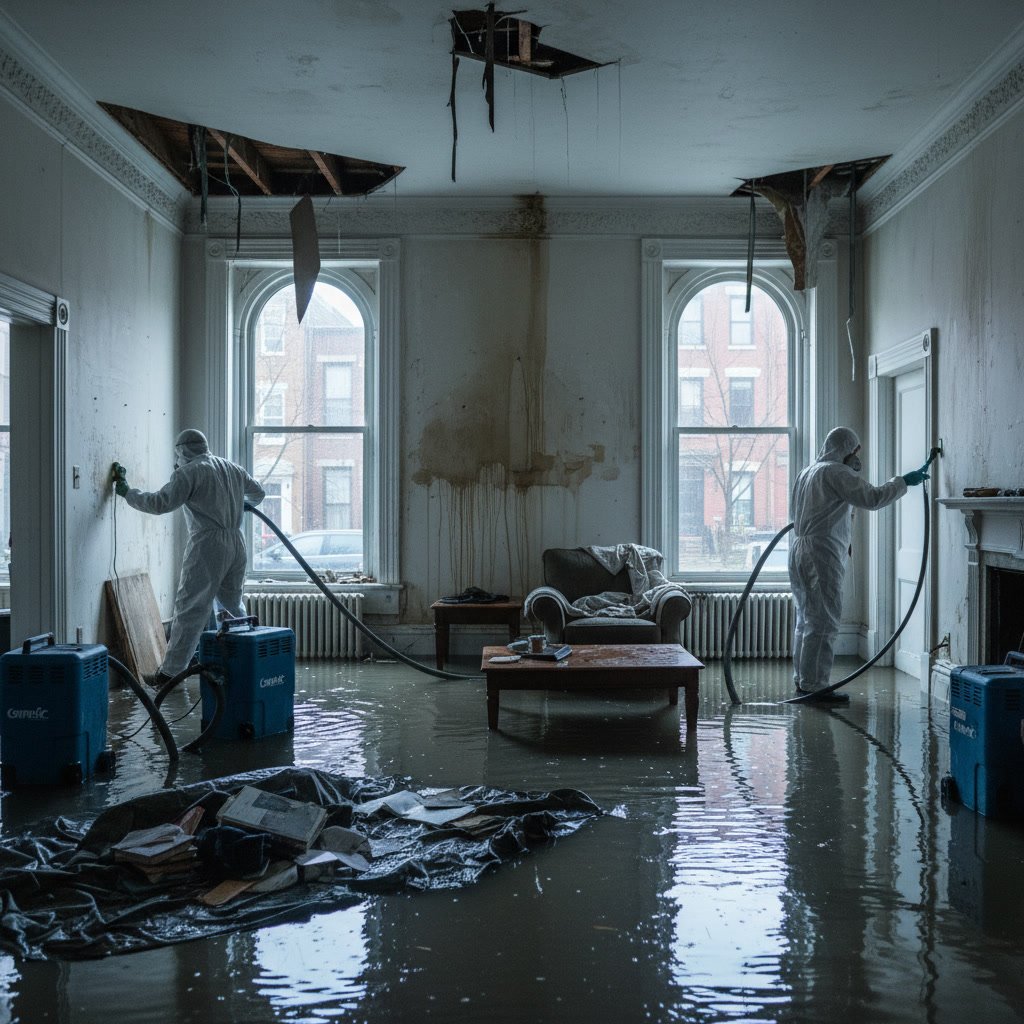
Water pouring through your ceiling at 2 AM changes everything. After the initial panic subsides and you stop the source, one question dominates: what will this cost? Understanding water damage restoration cost in Philadelphia helps you plan financially and avoid contractors who prey on emergency situations.
This guide breaks down real restoration costs across Philadelphia, Bucks County, Delaware County, and surrounding areas. You’ll learn what drives prices up or down, what insurance typically covers, and how to spot fair pricing from inflated estimates.
Average Water Damage Restoration Costs in Philadelphia
Most Philadelphia homeowners pay between $1,500 and $5,000 for professional water damage restoration. That range covers the majority of residential incidents, from a burst pipe in one room to a more extensive basement flood.
Small-scale projects like a leaking water heater affecting a single room typically cost $1,200 to $2,500. Mid-range restoration covering multiple rooms or a finished basement runs $2,500 to $7,500. Large-scale damage from severe flooding or affecting entire floors can reach $10,000 to $25,000 or higher.
The water damage restoration cost depends heavily on four primary factors: the amount of water involved, how long it sat before mitigation started, what materials got wet, and whether mold developed. A quick response dramatically reduces total costs.
Pro Tip: Every hour water sits increases restoration costs by roughly 10-15%. Calling professionals within the first 24 hours can cut your final bill nearly in half compared to waiting several days.
What Impacts Your Final Water Damage Restoration Bill
Water Category and Contamination Level
Restoration professionals classify water damage into three categories, and each carries different pricing. Category 1 water comes from clean sources like supply lines or rainwater. It costs the least to remediate because it poses minimal health risks.
Category 2 water contains some contamination from sources like washing machine overflow or toilet tanks (no sewage). It requires more safety protocols and costs 15-30% more than clean water restoration.
Category 3 water includes sewage, flooding from rivers or streams, and water that sat more than 48 hours. This “black water” demands extensive safety measures, disposal of many porous materials, and thorough antimicrobial treatment. Expect costs 50-100% higher than clean water jobs.
Affected Square Footage and Room Types
Restoration companies charge based partly on the affected area. A typical Philadelphia rowhome bathroom might cost $800 to $1,500 for water extraction and drying. That same level of service in a 1,000-square-foot finished basement could run $3,500 to $6,000.
Certain rooms cost more to restore. Kitchens and bathrooms have complex plumbing, tile work, and cabinetry. Basements often involve foundation concerns and harder-to-dry concrete. Finished spaces with drywall, insulation, and carpeting require more material removal than unfinished areas.
Materials Affected and Necessary Removal
Hardwood floors are expensive to dry properly and may need replacement if cupping or buckling occurs. Carpet with padding typically gets removed and discarded after category 2 or 3 water exposure. Drywall can sometimes be saved if dried within 48 hours, but often requires cutting out the bottom two to four feet.
Insulation acts like a sponge and rarely dries effectively. Most restoration projects remove and replace wet insulation. Cabinet bases, if soaked, often need replacement while the doors and hardware might be salvaged.
Breaking Down the Restoration Process and Associated Costs
Emergency Water Extraction
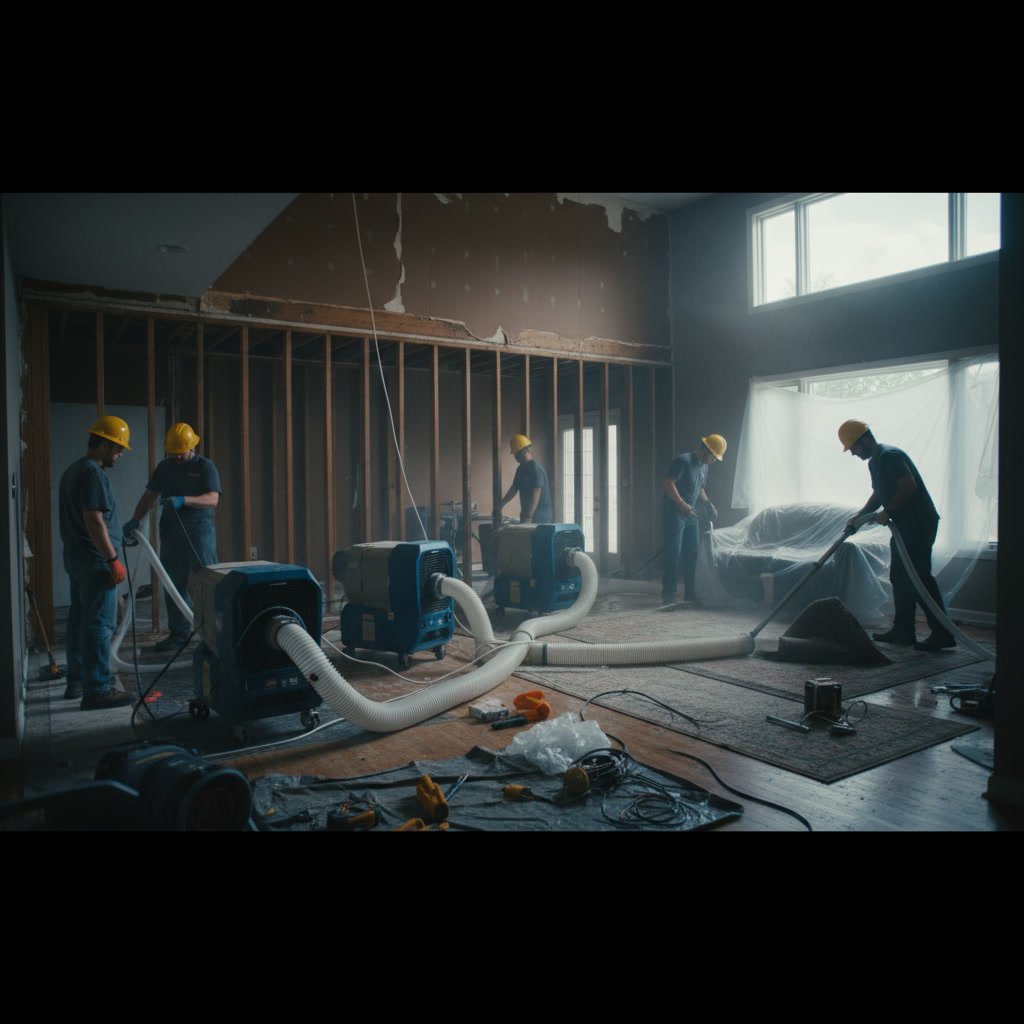
The first step removes standing water using pumps and extraction equipment. This service typically costs $500 to $2,000 depending on water volume and accessibility. Philadelphia-area companies usually include this in their initial emergency response.
Speed matters here. Professional extractors remove water far faster than shop vacuums, preventing it from spreading to unaffected areas or soaking deeper into materials.
Drying and Dehumidification
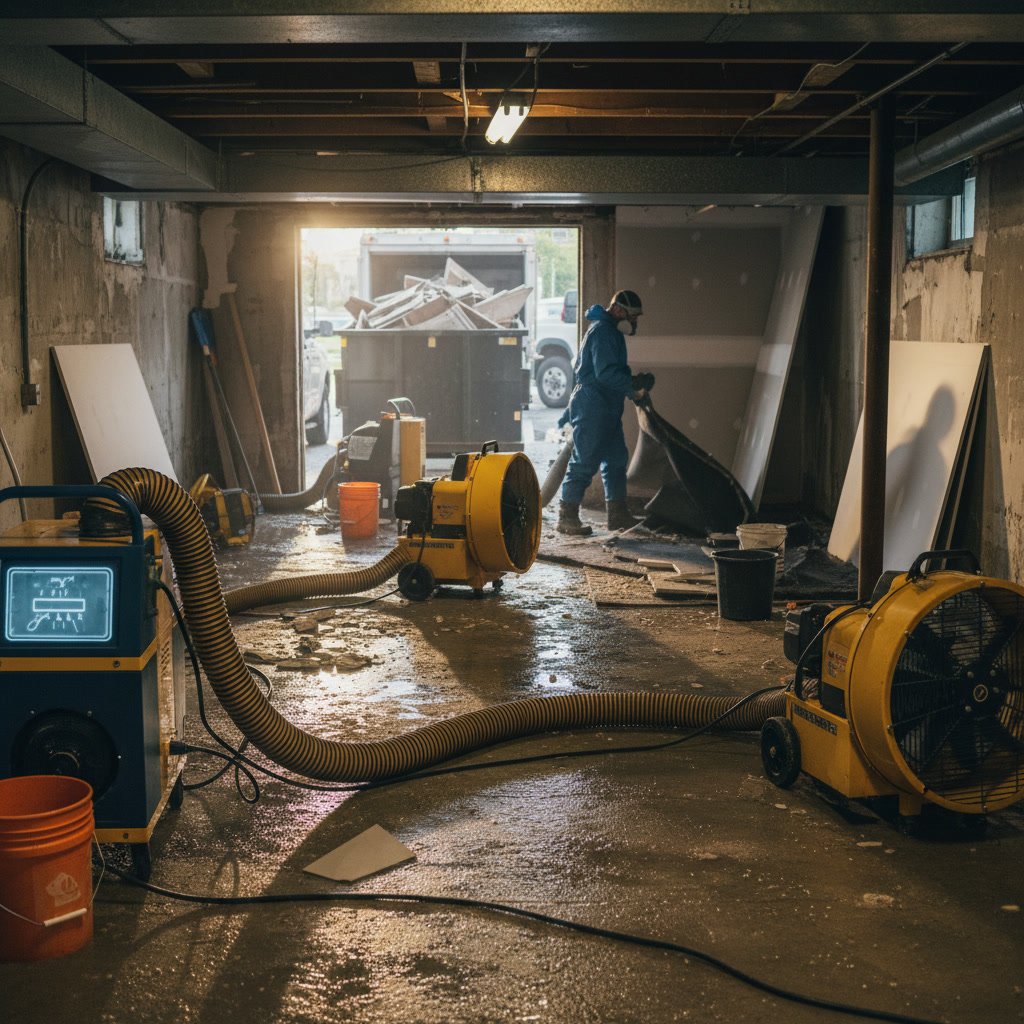
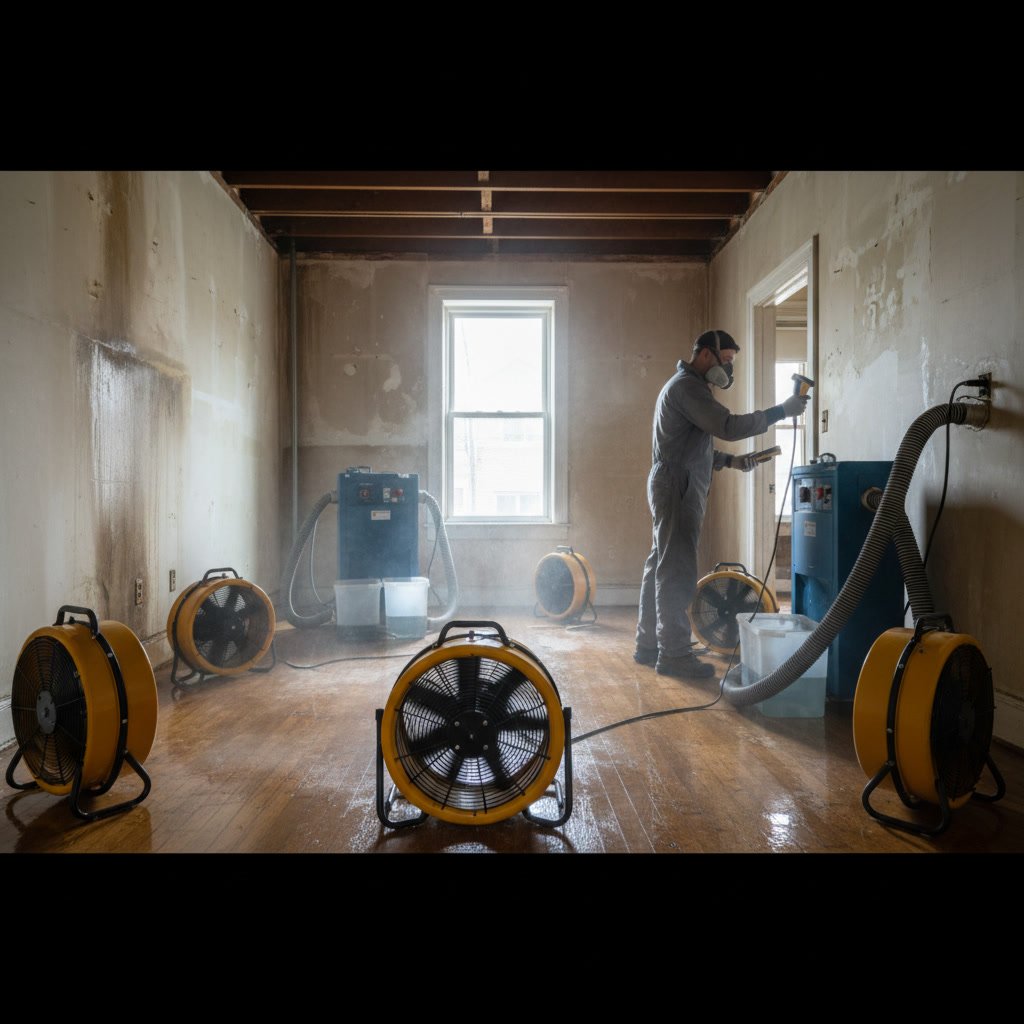
After extraction, industrial fans and dehumidifiers run for three to seven days. Equipment rental and monitoring typically add $800 to $3,000 to your bill. Crews monitor moisture levels daily using meters to ensure materials reach safe dryness levels.
This phase prevents mold growth and secondary damage. Cutting corners here almost always leads to problems weeks or months later.
Material Removal and Disposal
Removing damaged carpet, drywall, insulation, and other materials costs $400 to $2,500 for most residential jobs. Disposal fees in Philadelphia and surrounding counties add to this expense. Category 3 water damage requires special disposal protocols that increase costs.
Cleaning and Antimicrobial Treatment
Professional cleaning of affected surfaces and antimicrobial treatment prevent mold and bacterial growth. This service runs $300 to $1,200 depending on the area treated and contamination level. HEPA vacuuming and air scrubbing might be necessary for larger jobs.
Restoration and Reconstruction
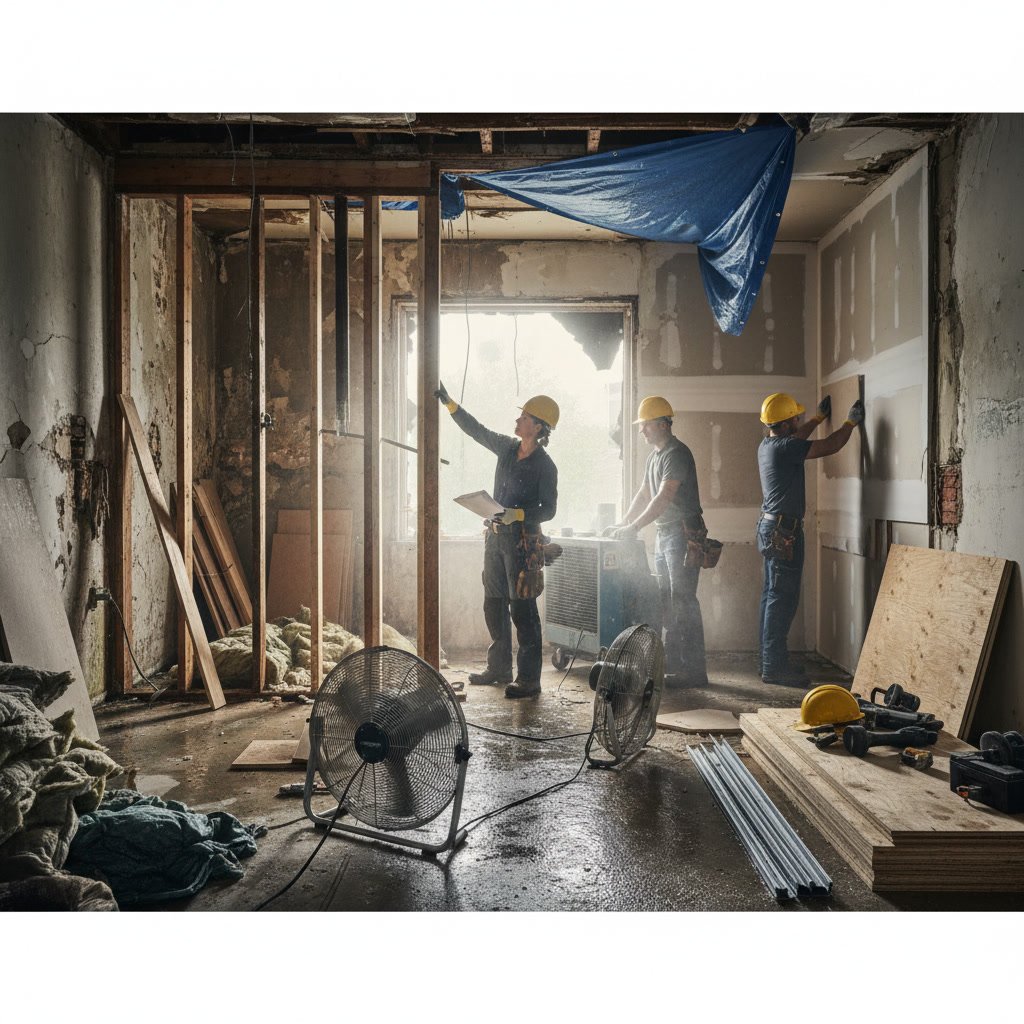
After drying and cleaning comes rebuilding. New drywall installation costs $1.50 to $3.50 per square foot including materials and labor. Replacing carpet runs $3 to $8 per square foot. Hardwood floor replacement ranges from $8 to $15 per square foot.
Paint, trim work, and finishing details add another 15-25% to reconstruction costs. Some restoration companies like React Restoration LLC handle the complete process from water extraction through final reconstruction, which often saves money compared to hiring separate contractors.
Insurance Coverage and Out-of-Pocket Costs
Most homeowner policies in Pennsylvania cover sudden and accidental water damage. A burst pipe, leaking water heater, or roof damage from a storm typically qualifies for coverage. Your deductible applies first, usually ranging from $500 to $2,500.
Insurance generally does not cover damage from lack of maintenance. A slow leak that gradually damaged floors over months will likely be denied. Flood damage from rising water requires separate flood insurance through NFIP or private carriers.
Understanding your policy before disaster strikes saves stress during emergencies. Many Philadelphia restoration companies work directly with insurance adjusters and can help document damage properly for claims.
Key Takeaway: Document everything with photos and videos before any work begins. Create a detailed inventory of damaged items. This documentation supports insurance claims and protects you if disputes arise.
Regional Cost Variations Around Philadelphia
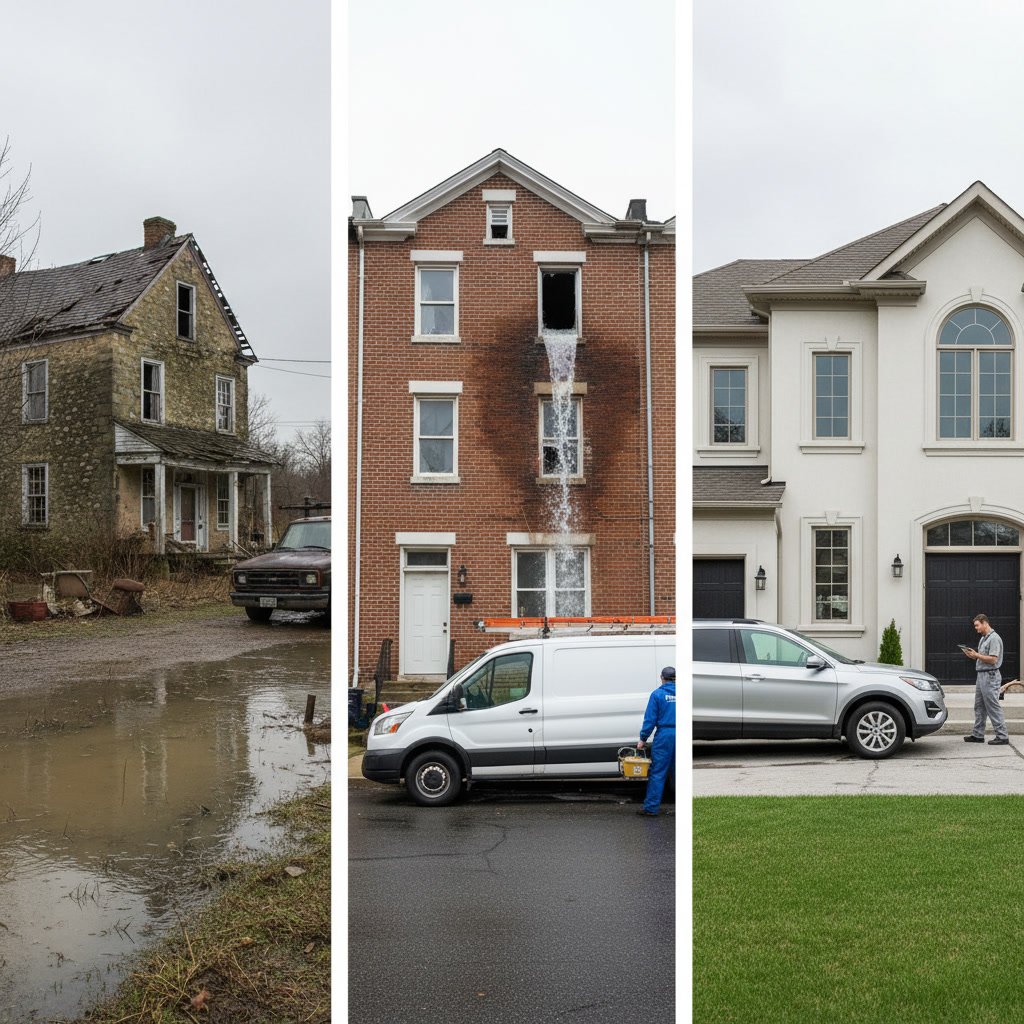
Water damage restoration cost varies slightly across the greater Philadelphia region. Urban Philadelphia proper tends toward the higher end due to parking challenges, older building construction, and permit requirements. Projects in Center City or historic neighborhoods often cost 10-20% more than suburban work.
Bucks County, Montgomery County, and Delaware County generally see mid-range pricing. These areas balance accessibility with property values that support quality restoration work.
Restoration costs in Trenton, Wilmington, and Atlantic City run slightly lower on average, though quality contractors charge similar rates regardless of location. The complexity of your specific job matters more than zip code.
Hidden Costs and Budget Considerations
Several expenses catch property owners by surprise. Mold remediation, if growth developed during the 48-72 hours before restoration started, adds $500 to $6,000 depending on the extent. Even small amounts of mold require professional treatment.
Temporary housing during extensive restoration can cost $1,500 to $5,000 or more. Some insurance policies include “loss of use” coverage that reimburses these expenses. Storage fees for furniture and belongings removed during restoration add another $200 to $800 monthly.
Permit fees for reconstruction in Philadelphia and surrounding municipalities typically run $100 to $500. Electrical or plumbing work often requires licensed tradespeople beyond the restoration crew, adding to total project costs.
Content cleaning and restoration for belongings like furniture, electronics, and documents might add $500 to $3,000. Professional pack-out services inventory, clean, and store your items until restoration completes.
How to Get Accurate Estimates
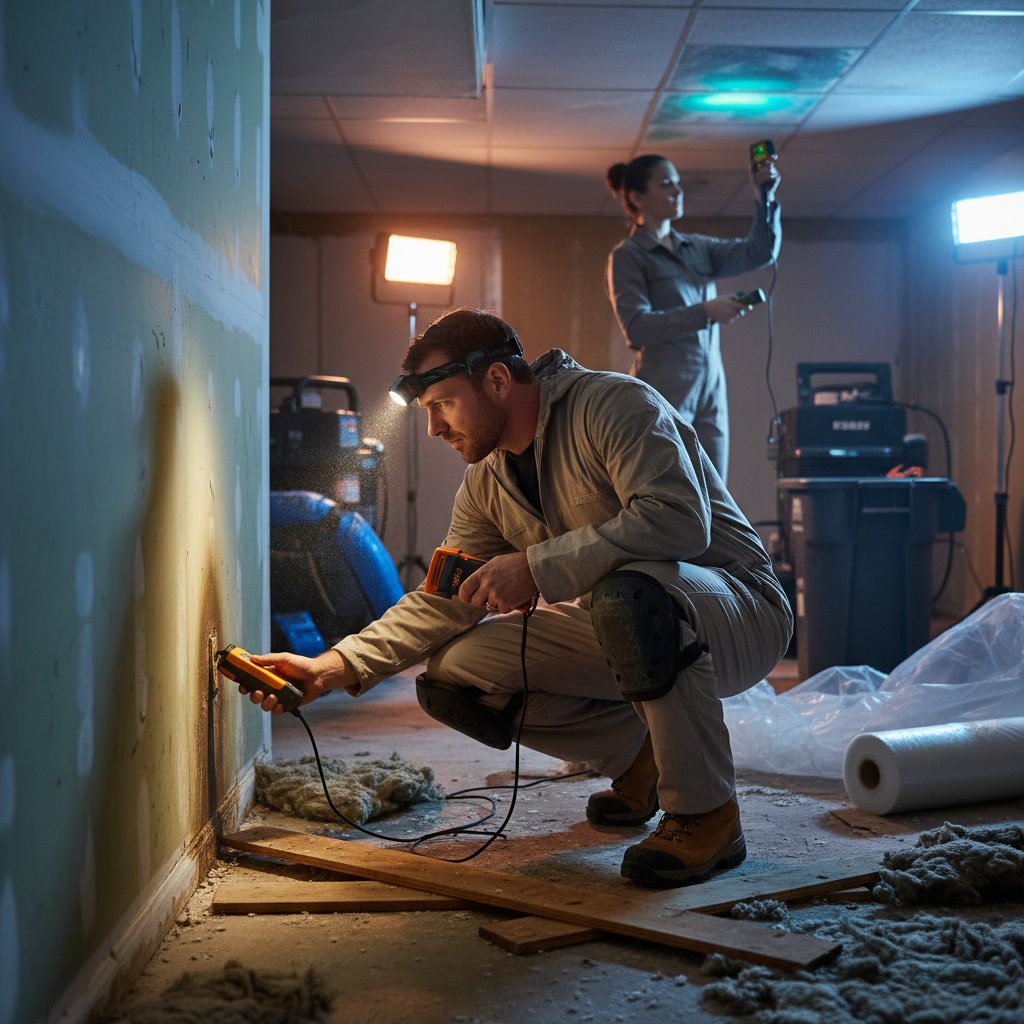
Reputable restoration companies provide free inspections and written estimates. They should assess all affected areas using moisture meters and thermal imaging cameras. Be wary of estimates given over the phone without seeing the damage.
Get at least two or three estimates when time permits. Emergency situations sometimes require immediate action, but you can still request detailed written scope of work within 24 hours. Compare what each company includes in their pricing.
Ask specific questions about their process. How many days will equipment run? What materials will they remove versus attempt to dry? Do they perform reconstruction or subcontract that work? What warranty do they offer?
Certified restoration companies following IICRC standards generally provide more reliable estimates. These certifications indicate proper training in water damage restoration best practices.
Ways to Reduce Water Damage Restoration Costs
Quick response remains your best cost-saving tool. Shutting off the water source immediately and calling restoration professionals within hours prevents thousands in additional damage. Even basic steps like moving furniture and mopping up surface water help.
Review your insurance policy annually and understand your coverage before problems occur. Increasing your deductible might lower premiums while keeping you protected from catastrophic losses. Consider whether flood insurance makes sense for your property location.
Regular maintenance prevents many water damage incidents. Inspect appliance hoses and connections yearly. Clean gutters and downspouts. Check for roof damage after storms. These simple tasks cost little compared to restoration bills.
When selecting a restoration company, consider value over the lowest price. Companies that rush through drying or skip antimicrobial treatment might charge less initially but create conditions for mold growth that costs more long-term. Quality work the first time costs less than fixing problems later.
Frequently Asked Questions
Does homeowners insurance cover all water damage restoration costs?
Homeowners insurance typically covers sudden and accidental water damage like burst pipes or appliance failures. It does not cover gradual damage from neglected maintenance or flood damage from rising water. You pay your deductible first, then insurance covers remaining costs up to your policy limits. Always check your specific policy and file claims promptly.
How long does the water damage restoration process take?
Most water damage restoration takes seven to fourteen days from initial water extraction through complete drying. Reconstruction adds another one to four weeks depending on the extent of rebuilding required. Severe cases involving multiple floors or mold remediation can extend to six weeks or longer. The timeline depends on damage severity, materials affected, and drying conditions.
Can I do water damage restoration myself to save money?
Small incidents like a minor spill can be handled with household equipment if addressed immediately. Significant water damage requires professional equipment and expertise. Improper drying leads to mold growth, structural damage, and health hazards that cost far more to fix than professional restoration. Insurance companies may also deny claims if you attempt DIY restoration that fails or causes additional damage.
What should I do immediately after discovering water damage?
Stop the water source if possible by shutting off valves or the main water supply. Move valuable items and furniture out of affected areas. Take photos and videos for insurance documentation. Contact a professional restoration company for emergency water extraction. Do not use regular household vacuums on standing water as this creates electrical hazards.
How much does emergency water damage service cost after hours?
Most reputable restoration companies in Philadelphia do not charge extra for emergency calls during nights or weekends. The scope of damage determines costs, not the time you call. Some companies include 24/7 emergency response as standard service. Always ask about after-hours fees when calling, but expect established companies to offer consistent pricing regardless of when disaster strikes.
Making Informed Decisions About Restoration
Understanding water damage restoration cost helps you respond effectively when water threatens your property. Prices vary based on damage severity, affected materials, and response time, but most Philadelphia-area homeowners pay between $1,500 and $5,000 for professional restoration. Quick action, proper insurance documentation, and choosing experienced contractors protect both your property and budget.
React Restoration LLC provides professional water damage restoration throughout Philadelphia, Bucks County, Delaware County, Montgomery County, and surrounding areas in Pennsylvania, New Jersey, and Delaware. Our certified team responds 24/7 to water emergencies with clear pricing, direct insurance coordination, and complete restoration services from extraction through reconstruction. Call +16108583469 to speak with a restoration specialist who can assess your situation and provide a detailed estimate at no charge.