Commercial property restoration becomes necessary when damage extends beyond surface-level fixes and threatens structural integrity, safety, or business operations. Unlike routine repairs that address isolated issues, professional restoration tackles widespread damage from water, fire, storms, or contamination using specialized equipment and certified techniques. Recognizing when your building needs comprehensive restoration rather than basic patching can prevent escalated costs, liability issues, and prolonged downtime.
Understanding the Difference Between Repairs and Full Restoration
Standard repairs address isolated problems with quick fixes. A plumber patches a leaky pipe. A contractor replaces damaged drywall. These solutions work when damage stays confined to a small area without underlying complications.
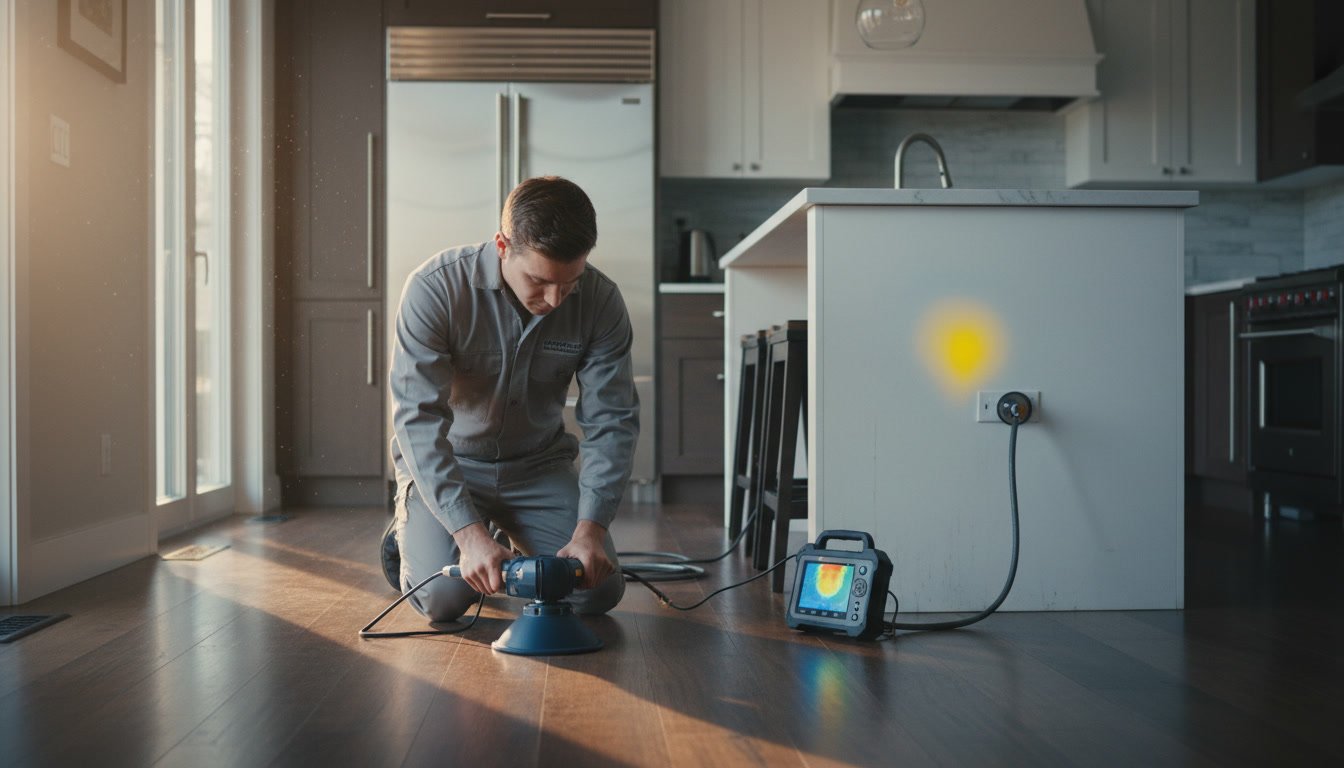
Restoration involves systematic assessment, containment, remediation, and reconstruction across affected areas. Certified restoration specialists use moisture meters, thermal imaging, air scrubbers, and industrial drying equipment to address both visible damage and hidden threats like mold growth or structural weakening.
The distinction matters because applying repair-level solutions to restoration-level problems creates long-term failures. A painted-over water stain might look fixed, but moisture trapped in the wall cavity will continue breeding mold and rotting framing lumber.
Water Damage Extending Beyond the Visible Surface
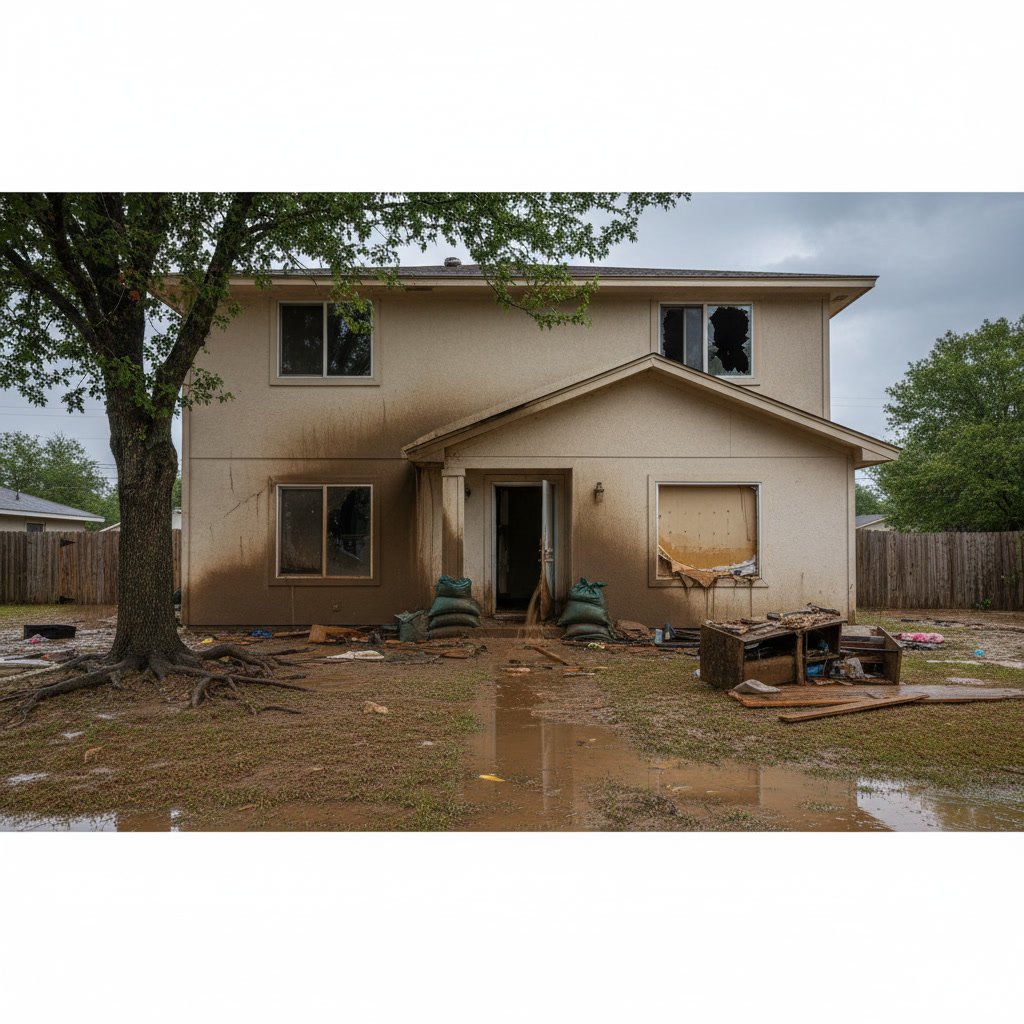
When water spreads across multiple rooms, floors, or building systems, you need more than a cleanup crew. Water migrates through walls, under flooring, and into HVAC ductwork. It saturates insulation, compromises electrical systems, and creates ideal conditions for microbial growth within 24 to 48 hours.
Professional water damage restoration begins with moisture mapping to identify all affected areas, including those you cannot see. Technicians document moisture levels in materials, establish drying goals, and monitor progress with calibrated instruments. This process prevents secondary damage that appears weeks or months after the initial incident.
Commercial spaces face unique challenges. Retail locations cannot afford extended closures. Office buildings house sensitive electronics. Restaurants must meet strict health codes. Each scenario demands restoration protocols that address both the damage and business continuity requirements.

Structural Compromises Affecting Load-Bearing Components in Philadelphia Buildings
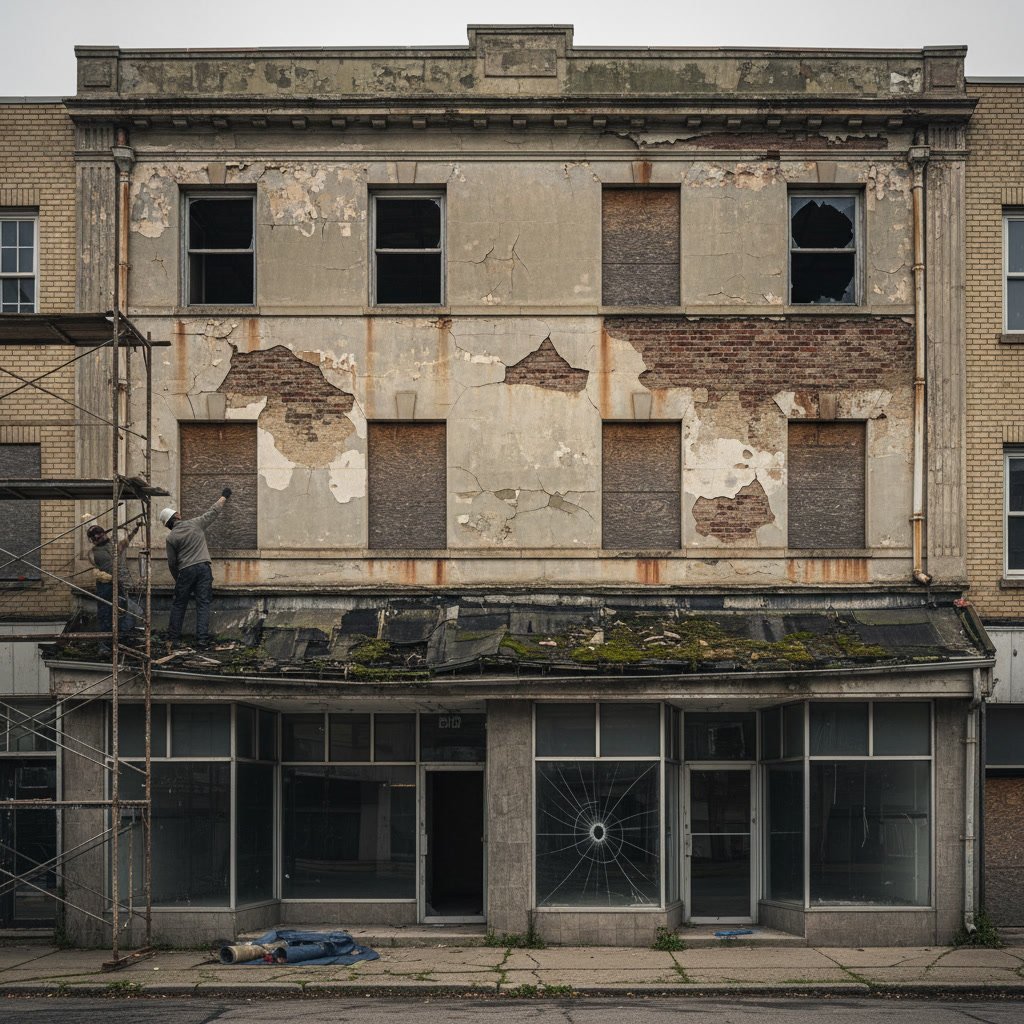
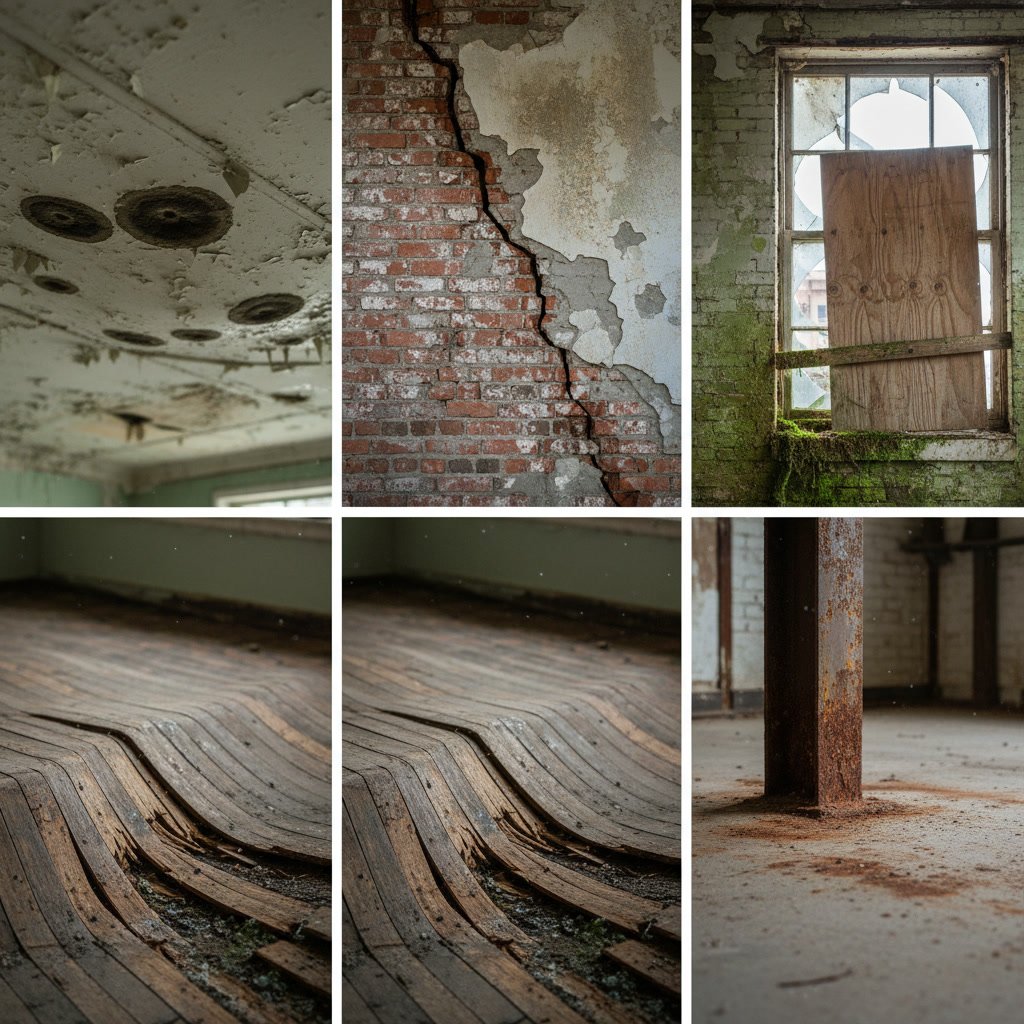
When damage affects beams, joists, columns, or foundation elements, safety becomes the immediate priority. Fire weakens steel supports. Water rots wooden framing. Settling foundations crack masonry walls. These issues require engineering assessments and structural repairs that standard contractors cannot provide.
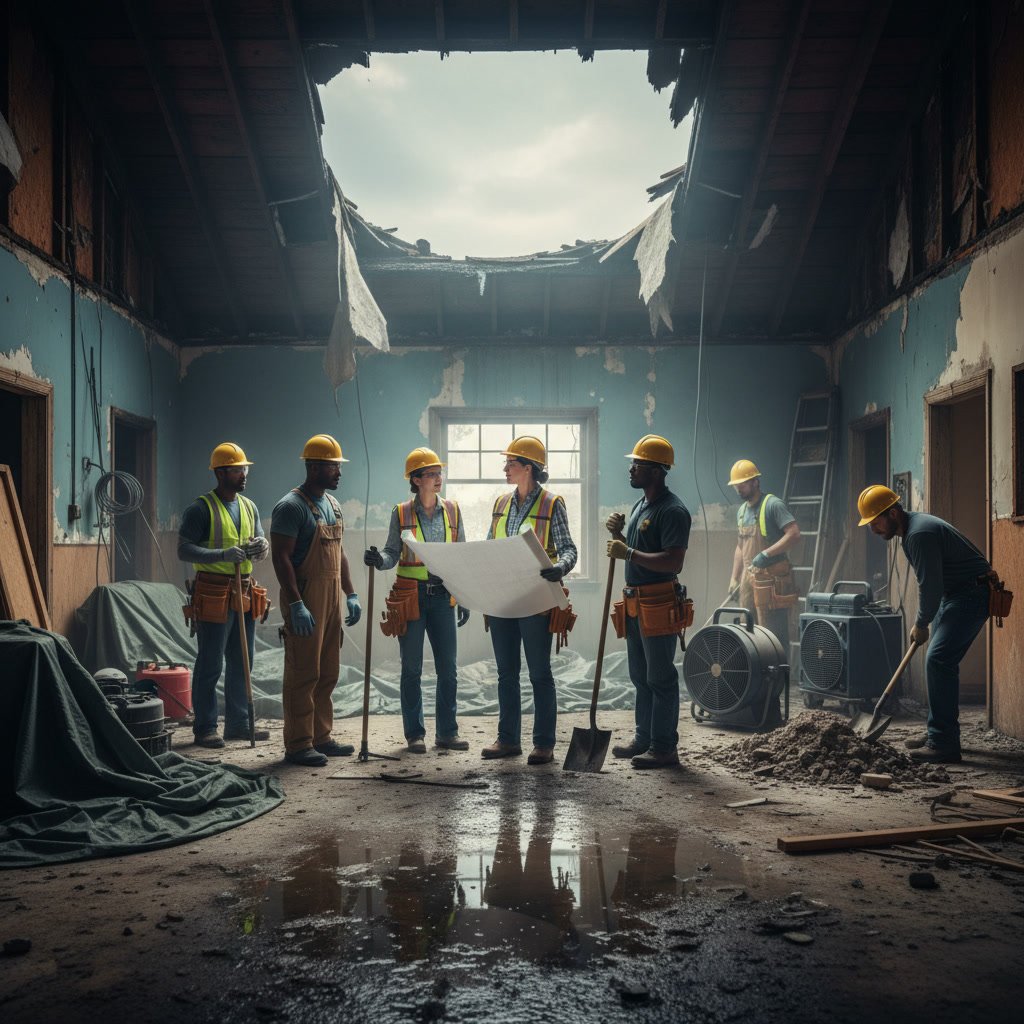
Restoration firms coordinate with structural engineers to evaluate damage severity, determine repair versus replacement decisions, and ensure work meets building codes. They document conditions for insurance claims and provide detailed repair plans that address both immediate hazards and long-term stability.
Many older commercial buildings throughout the region contain materials that require special handling during restoration work. Asbestos-containing materials, lead paint, and outdated electrical systems all demand certified professionals who understand regulatory compliance alongside restoration techniques.
Multiple Contamination Hazards Present in the Affected Space
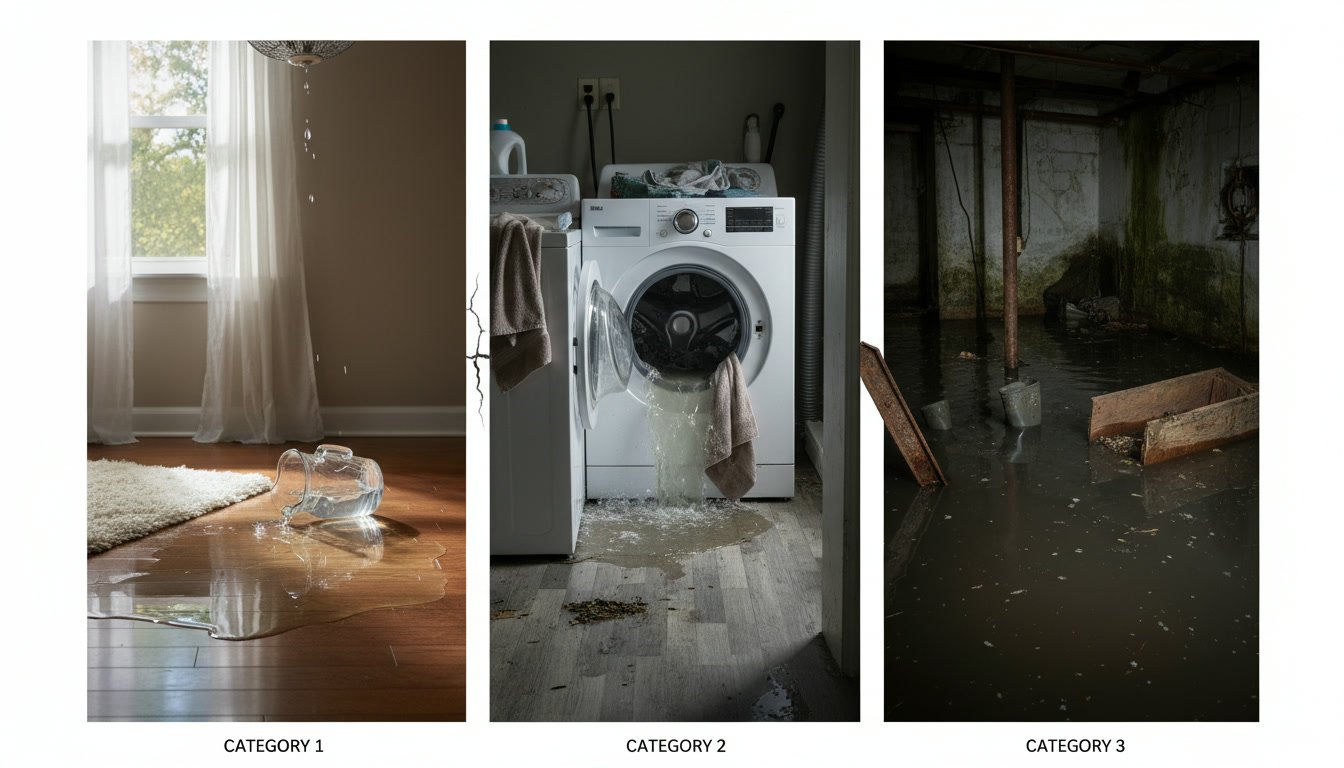
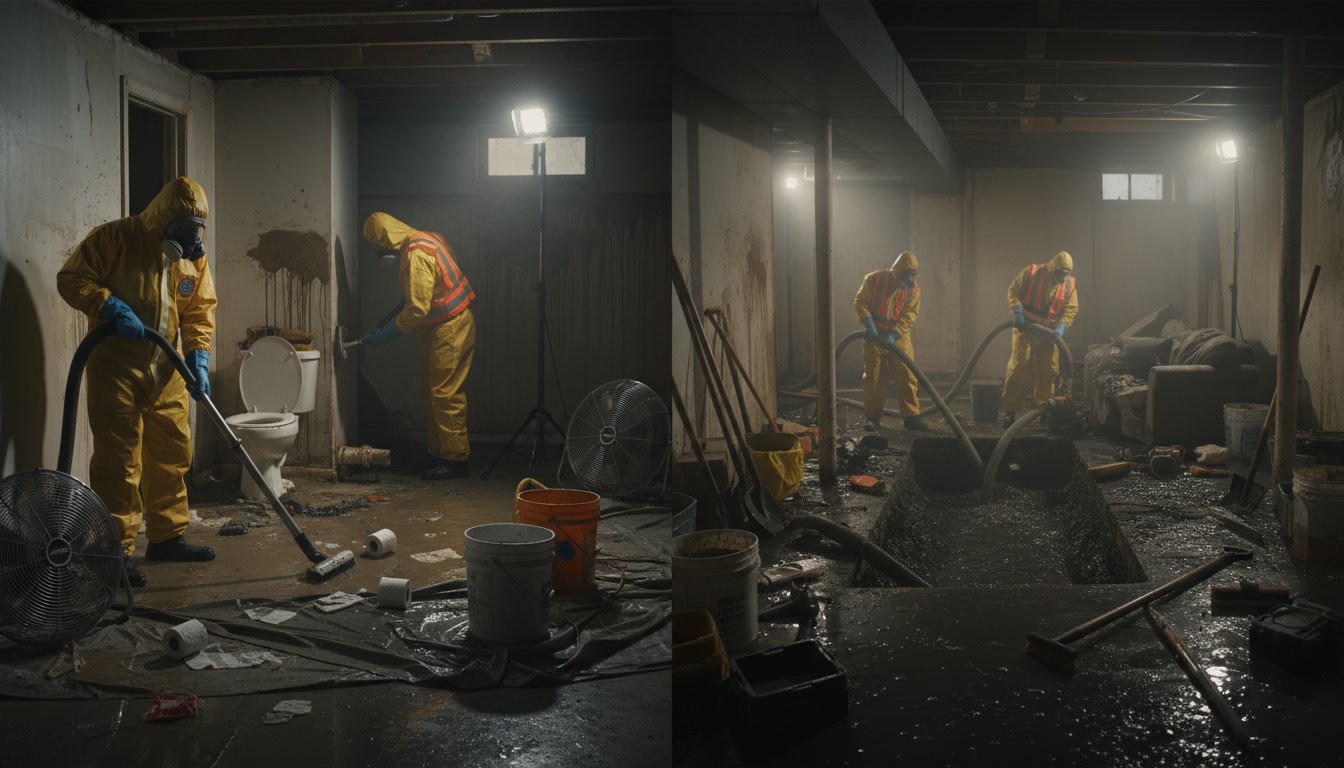
Category 3 water from sewage backups, floodwater, or storm surge introduces bacteria, viruses, and chemical contaminants into your property. This contamination requires complete removal of porous materials, antimicrobial treatment of surfaces, and specialized disposal procedures.
Fire introduces its own contamination through soot, smoke residue, and chemical byproducts from burning synthetic materials. Acidic smoke particles continue damaging surfaces long after flames are extinguished. Professional fire damage restoration neutralizes these corrosive elements before they cause permanent etching or discoloration.
Standard cleaning services lack the training, equipment, and protocols to safely handle contaminated materials. Restoration technicians wear appropriate personal protective equipment, establish containment barriers, and follow industry standards for decontamination and disposal.
Five Critical Signs Restoration Has Become Urgent
First, visible mold growth covering more than 10 square feet indicates moisture problems requiring professional remediation. Small patches suggest localized issues, but widespread growth signals systemic water intrusion.
Second, persistent odors that return after cleaning point to contamination within building materials. Smoke particles, sewage bacteria, and mold all produce distinctive smells that penetrate porous surfaces. Surface cleaning cannot eliminate these embedded contaminants.
Third, warped floors, sagging ceilings, or buckling walls demonstrate structural moisture damage. These deformations indicate materials have absorbed water beyond their capacity and now require replacement rather than drying.
Fourth, electrical system exposure to water creates immediate shock and fire hazards. Any water contact with panels, outlets, or wiring demands immediate professional assessment before restoration can proceed safely.
Fifth, multiple building systems affected simultaneously means damage has spread throughout interconnected spaces. When HVAC, plumbing, electrical, and structural elements all show impact, coordinated restoration across disciplines becomes necessary.
When Standard Contractors Cannot Meet Insurance Requirements
Most commercial insurance policies require specific documentation, procedures, and certifications that general contractors do not provide. Restoration companies understand insurance protocols because they work with adjusters daily.
Certified restoration firms document conditions with photo evidence, moisture readings, and detailed scope reports that satisfy insurance requirements. They provide itemized estimates using industry-standard software like Xactimate. They coordinate directly with adjusters to answer questions and justify recommended work.
This expertise prevents claim delays and disputes. When restoration companies handle insurance claims documentation properly from day one, property owners receive faster approvals and appropriate compensation for covered damages.
Business Operations Cannot Resume Until Proper Remediation Occurs
Some damage prevents safe occupancy regardless of cosmetic appearance. Air quality concerns from mold or smoke require testing and remediation before employees or customers can return. Structural instability demands stabilization before anyone enters affected areas.
Professional restoration firms prioritize getting businesses operational again. They establish temporary barriers to isolate damaged sections while allowing unaffected areas to remain functional. They schedule work during off-hours when possible. They expedite critical path items that block reopening.
This operational focus differs from standard construction timelines. Restoration teams understand that every closed day costs revenue, and they structure work to minimize business interruption while maintaining safety and quality standards.
Storm or Flood Events Requiring Emergency Response
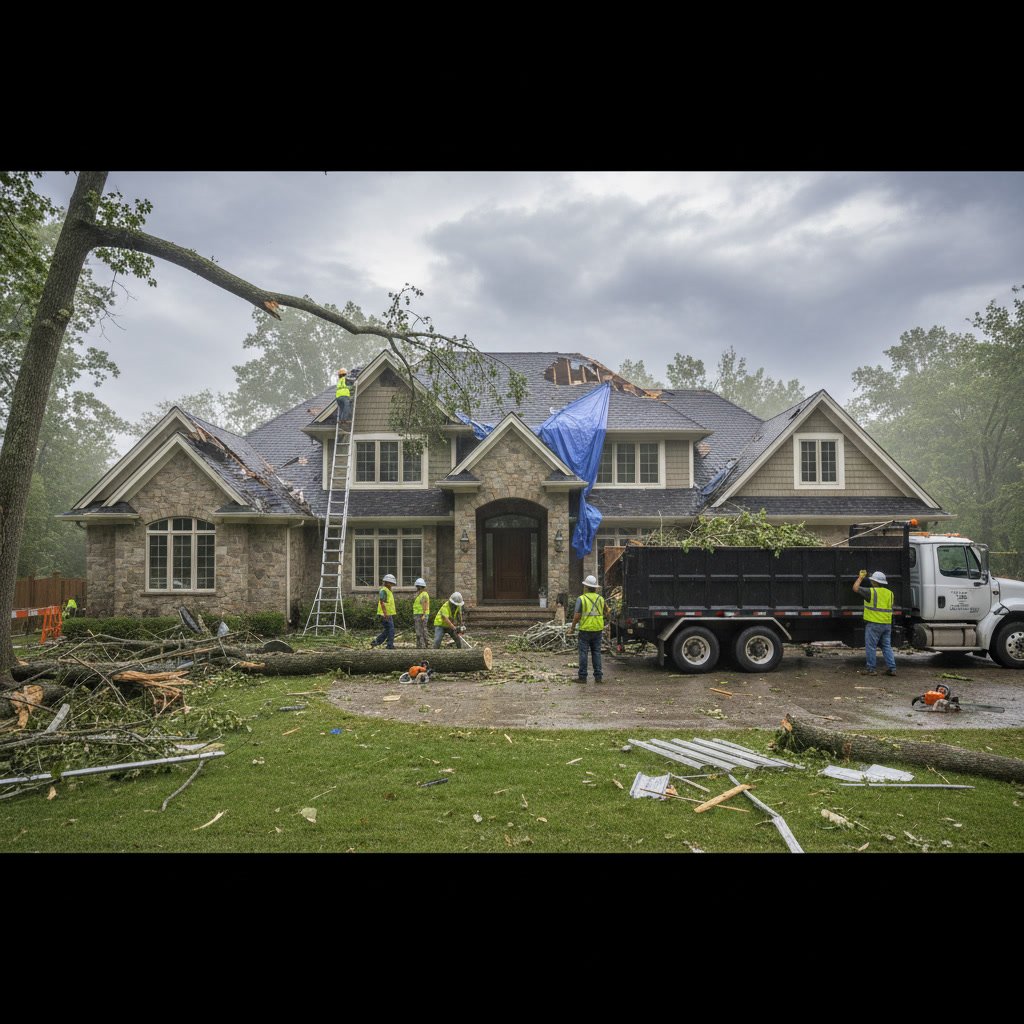
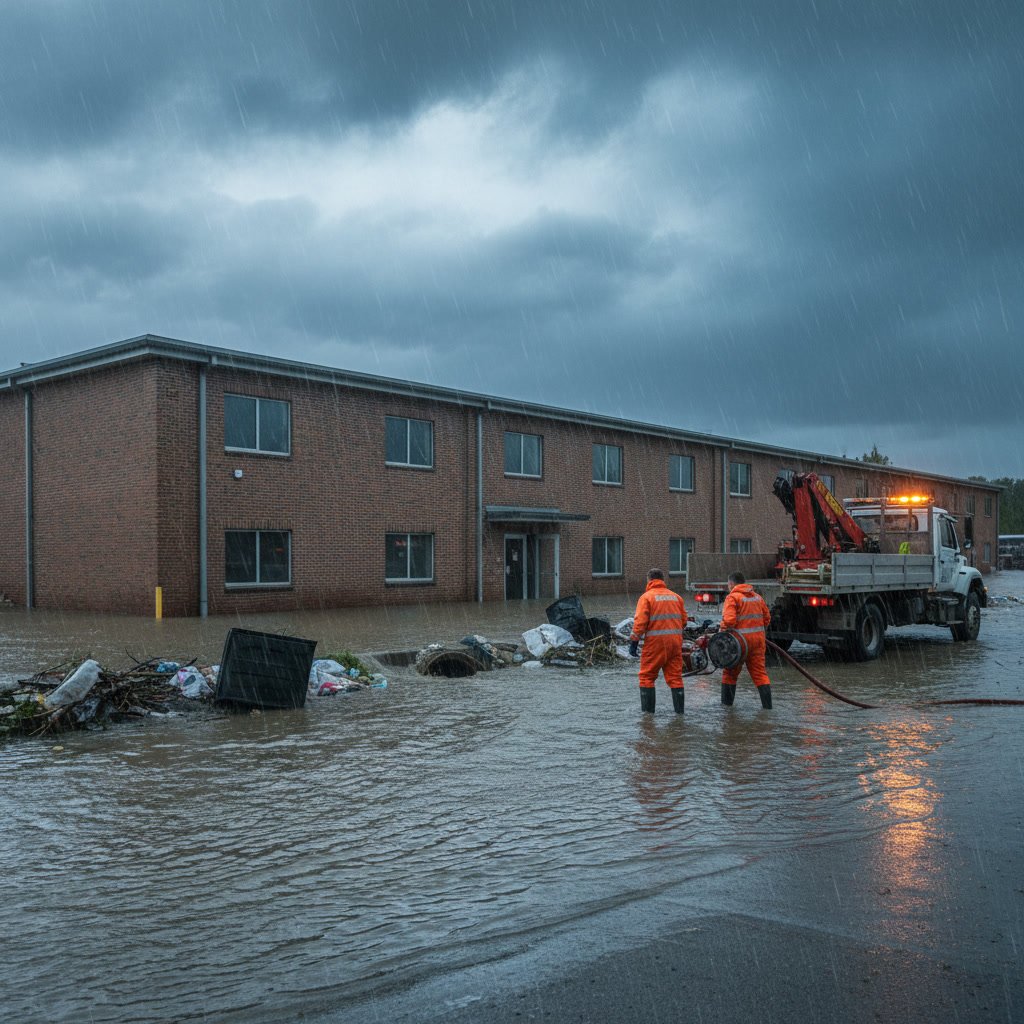
Major weather events overwhelm properties with water volumes that exceed normal drainage capacity. Roof damage lets rain pour into buildings. Flooding submerges ground floors. Wind drives water through compromised building envelopes.
These scenarios demand immediate water extraction services using truck-mounted pumps and industrial extractors. Delays allow water to spread, materials to absorb moisture, and secondary damage to multiply. The difference between response within hours versus days can determine whether materials dry successfully or require replacement.
Emergency response also includes temporary protection measures. Tarp installation, board-up services, and emergency power help prevent additional damage while full restoration planning occurs.
Previous Repairs Failed to Address Underlying Problems
Recurring issues in the same location indicate incomplete previous repairs. Water stains that reappear suggest the leak source was never properly identified or fixed. Persistent musty odors mean mold remediation did not address moisture sources. Repeated failures signal the need for comprehensive investigation and proper restoration.
Restoration professionals start with thorough diagnostics. They use thermal imaging cameras to locate hidden moisture. They conduct invasive investigation when necessary to confirm damage extent. They trace problems to their source rather than treating symptoms.
This investigative approach costs more upfront but prevents repeated repair cycles that ultimately cost far more in cumulative expenses and ongoing damage. Understanding what restoration professionals look for during inspections helps property owners appreciate the value of thorough assessments.
Compliance Concerns With Health and Safety Regulations
Commercial properties face regulatory requirements that residential properties do not. Health departments inspect restaurants and food service facilities. OSHA governs workplace safety. ADA mandates accessibility. Environmental agencies regulate hazardous material handling.
Damage that creates health hazards, safety violations, or accessibility barriers requires restoration work that meets all applicable codes and standards. Certified restoration companies understand these compliance requirements and incorporate them into restoration planning.
Attempting repairs without proper compliance can result in fines, operational shutdowns, or liability exposure if someone gets injured. Professional restoration ensures work meets all regulatory standards while addressing the property damage itself.
Time to Protect Your Property Investment With Expert Restoration
Recognizing when your building needs full restoration instead of basic repairs protects your property value, keeps occupants safe, and prevents small problems from becoming catastrophic failures. The signs outlined here indicate damage severity that demands professional assessment and certified restoration techniques.
React Restoration LLC provides comprehensive commercial restoration services throughout the region with certified technicians who understand both restoration science and business continuity needs. Whether your property has experienced water damage, fire, storms, or contamination, professional restoration addresses both immediate hazards and long-term stability. Contact the team at +16108583469 for rapid assessment and restoration planning that gets your commercial property back to full operation safely and efficiently.