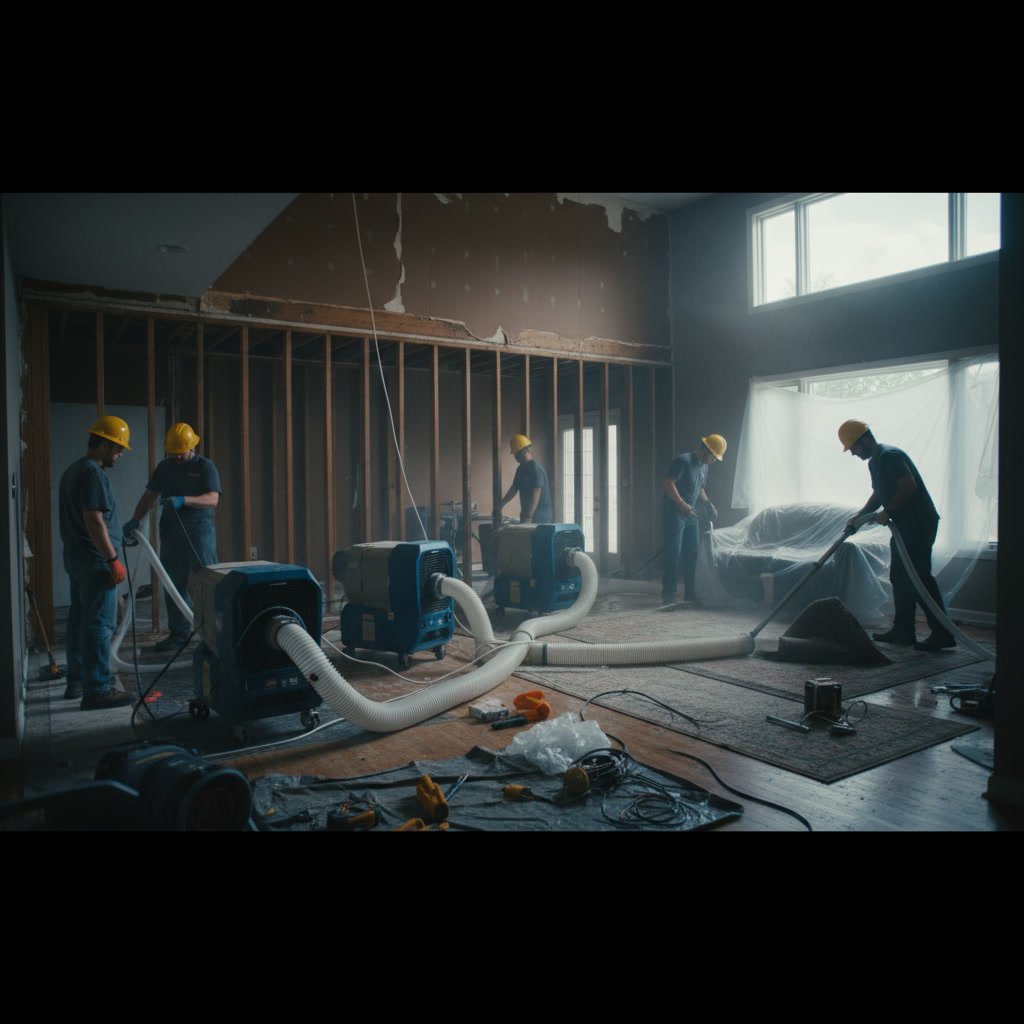
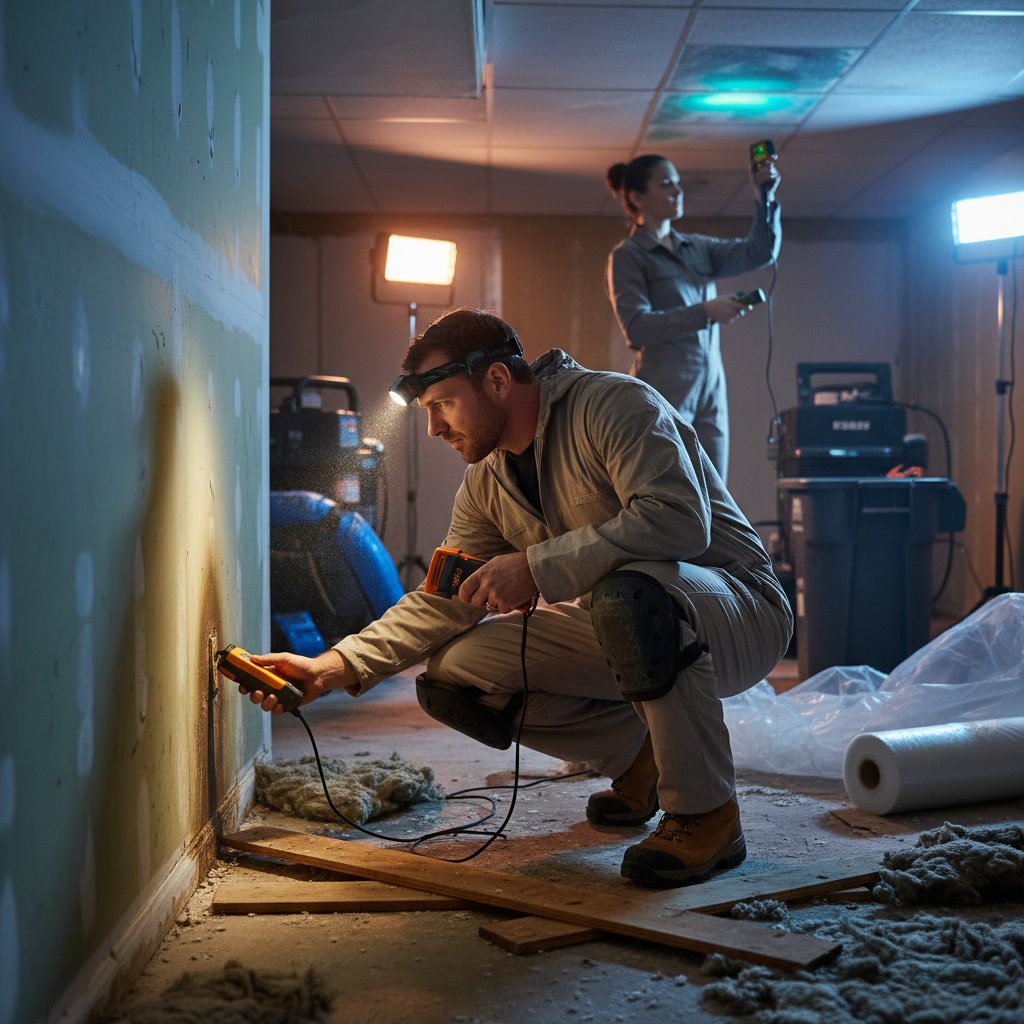
A professional water damage inspection evaluates moisture levels, identifies hidden water intrusion, assesses structural integrity, and documents the full extent of damage for effective restoration planning. Certified specialists use thermal imaging cameras, moisture meters, and visual examination to locate water sources, track migration patterns, and categorize the severity of damage according to industry standards. This systematic approach ensures nothing gets overlooked and helps property owners understand exactly what needs to be repaired.
The inspection process combines technical measurement with years of field experience. Professionals know where water typically hides, which building materials hold moisture longest, and how to differentiate between fresh damage and older issues that may complicate insurance claims.
Why Professional Assessment Matters More Than Visual Inspection Alone
Water follows gravity and capillary action, meaning it spreads far beyond the visible wet spot on your ceiling or floor. Homeowners who rely only on what they can see often miss 60 to 80 percent of the actual affected area. Moisture trapped inside wall cavities, beneath flooring, or above ceilings creates ideal conditions for mold growth within 24 to 48 hours.
Professional inspectors document baseline readings that become essential when filing insurance claims. Without accurate moisture mapping and photographic evidence from the initial inspection, property owners may struggle to prove the full scope of damage to their insurance adjuster.
The Tools Restoration Specialists Bring to Every Inspection
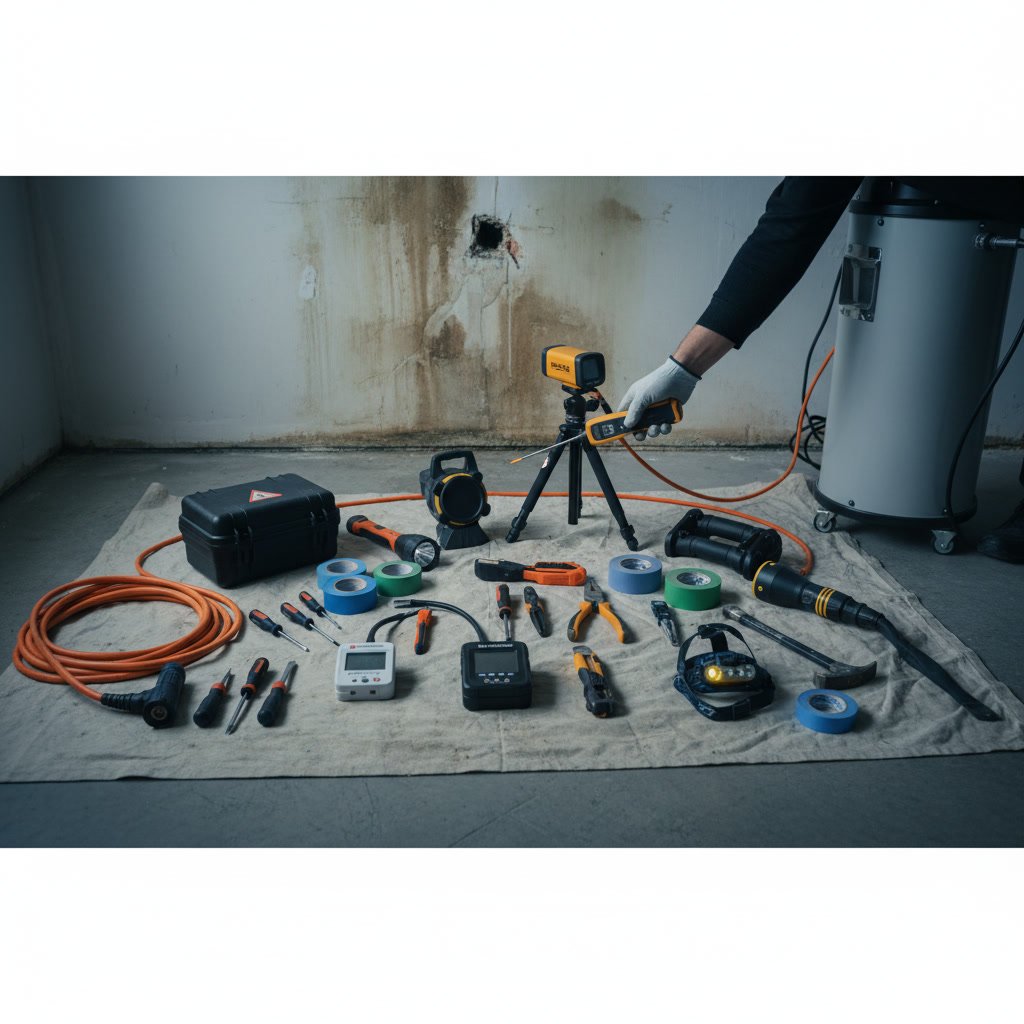
Thermal imaging cameras detect temperature differences that indicate moisture presence behind surfaces. Wet building materials appear cooler than dry ones, creating a visual heat signature that reveals hidden water intrusion without requiring destructive inspection cuts in every wall.
Penetrating and non-penetrating moisture meters measure water content in wood, drywall, concrete, and other materials. Penetrating pin meters give precise readings at specific depths, while non-invasive scanners can survey large areas quickly to identify problem zones worth investigating further.
Hygrometers measure relative humidity and temperature, which helps specialists determine drying goals and track progress during water extraction services. High humidity readings in unaffected rooms can indicate vapor migration that requires attention before secondary damage develops.
Identifying the Water Source and Classification
Pinpointing the exact source stops ongoing damage and prevents recurrence. Inspectors trace water backwards from the damage site to the origin, whether that’s a burst pipe, roof leak, foundation crack, or appliance failure. Sometimes multiple sources contribute to a single damage event.
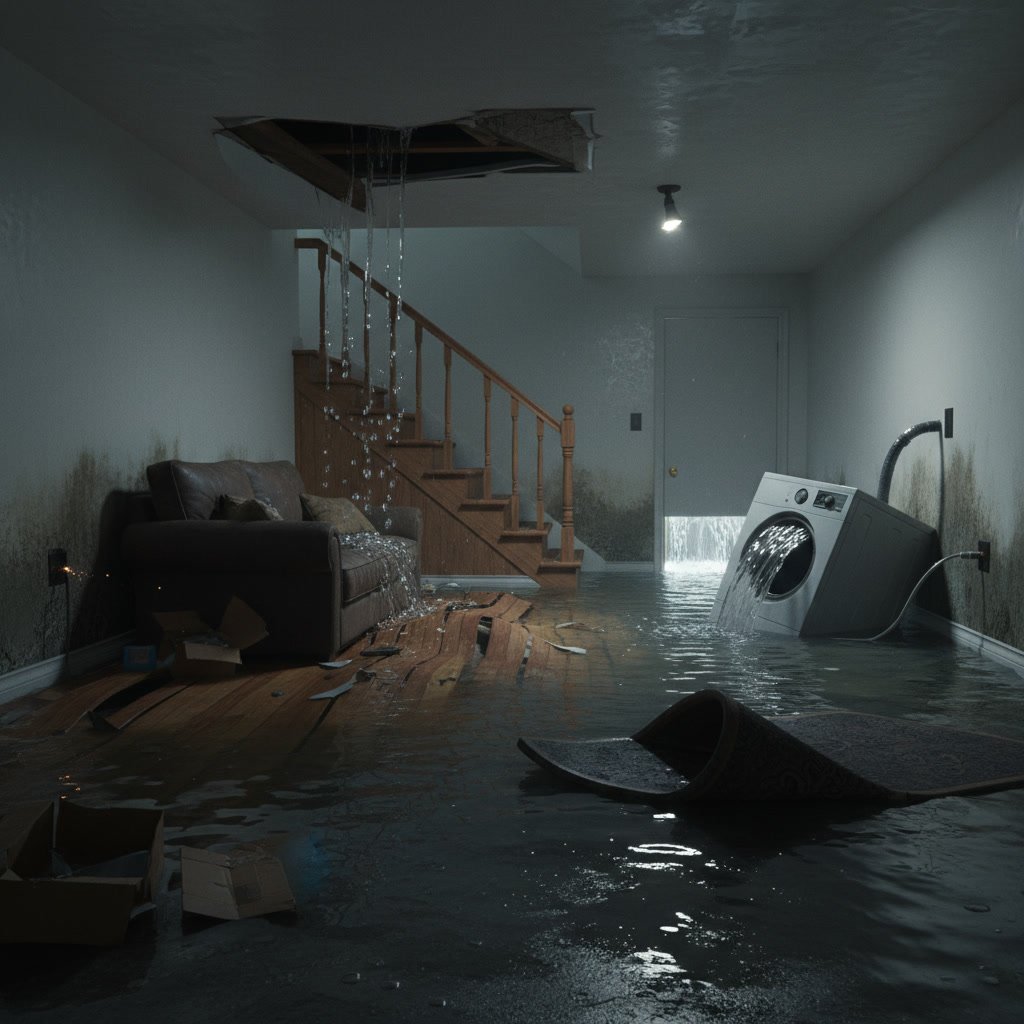
Water is classified into three categories based on contamination level. Category 1 is clean water from supply lines or rain. Category 2 is gray water containing some contaminants, like washing machine overflow. Category 3 is black water from sewage backups or flooding, requiring specialized sewage cleanup protocols and safety equipment.
The classification determines which materials can be saved through drying and which must be removed for safety reasons. It also affects cost estimates and insurance coverage.
Mapping Moisture Migration Patterns Throughout the Structure
Water rarely stays where it first appears. Inspectors create detailed moisture maps showing affected zones, using a grid system to track readings across floors, walls, and ceilings. This documentation shows exactly how far moisture has traveled and which building assemblies are compromised.
Capillary action pulls water upward through porous materials like drywall and insulation. Gravity pulls it downward through floor assemblies. Lateral spread occurs when water encounters barriers and redirects horizontally. Understanding these patterns helps predict where hidden damage likely exists.
Experienced inspectors recognize building-specific vulnerabilities. Homes in Bucks County built before 1980 often have different framing and insulation than newer construction, which changes how water moves through the structure.
Evaluating Structural Integrity and Safety Hazards in Philadelphia Properties
Water weakens wood framing, dissolves drywall, and compromises structural connections. Inspectors check floor joists, wall studs, roof decking, and subflooring for sagging, warping, or loss of load-bearing capacity. Severe water exposure can make floors unsafe to walk on or ceilings at risk of collapse.
Electrical hazards pose immediate danger when water contacts outlets, wiring, or panel boxes. Professionals identify which circuits need disconnection and when a licensed electrician should be called before restoration work begins.
Standing water deeper than two inches, especially on upper floors, may require immediate water damage restoration response to prevent ceiling collapse into rooms below. React Restoration LLC maintains equipment staged throughout the Philadelphia region to respond quickly when structural safety is a concern.
Documenting Damage for Insurance and Restoration Planning
Thorough photo documentation captures the condition of every affected area before any materials are moved or removed. Wide shots establish context while close-ups show specific damage details. Time-stamped images create an irrefutable record for insurance adjusters.
Written reports include moisture readings, affected square footage, material types, water classification, and recommended scope of work. This documentation becomes the foundation for accurate cost estimates and project timelines.
Many property owners discover that careful documentation during the initial inspection significantly speeds up their insurance approval process. Adjusters can review detailed evidence without requiring multiple site visits, which reduces delays and gets restoration work started faster.
Detecting Hidden Damage Behind Walls and Under Flooring
Wall cavities trap moisture that remains invisible until mold appears or materials fail. Non-invasive scanning identifies wet insulation, soaked drywall backing, and moisture in wall studs without cutting exploratory holes in every suspect area.
Flooring assemblies often hide extensive damage beneath intact surface materials. Hardwood may look fine while the subfloor underneath has absorbed gallons of water. Tile floors can conceal soaked underlayment that will eventually cause grout failure and cracking.
Carpet and pad act like sponges, wicking water across large areas and holding it against the subfloor. Professionals check multiple spots beneath carpeting because saturation is rarely uniform. Areas near walls and in corners tend to stay wet longest due to restricted airflow.
Testing for Microbial Growth and Air Quality Concerns
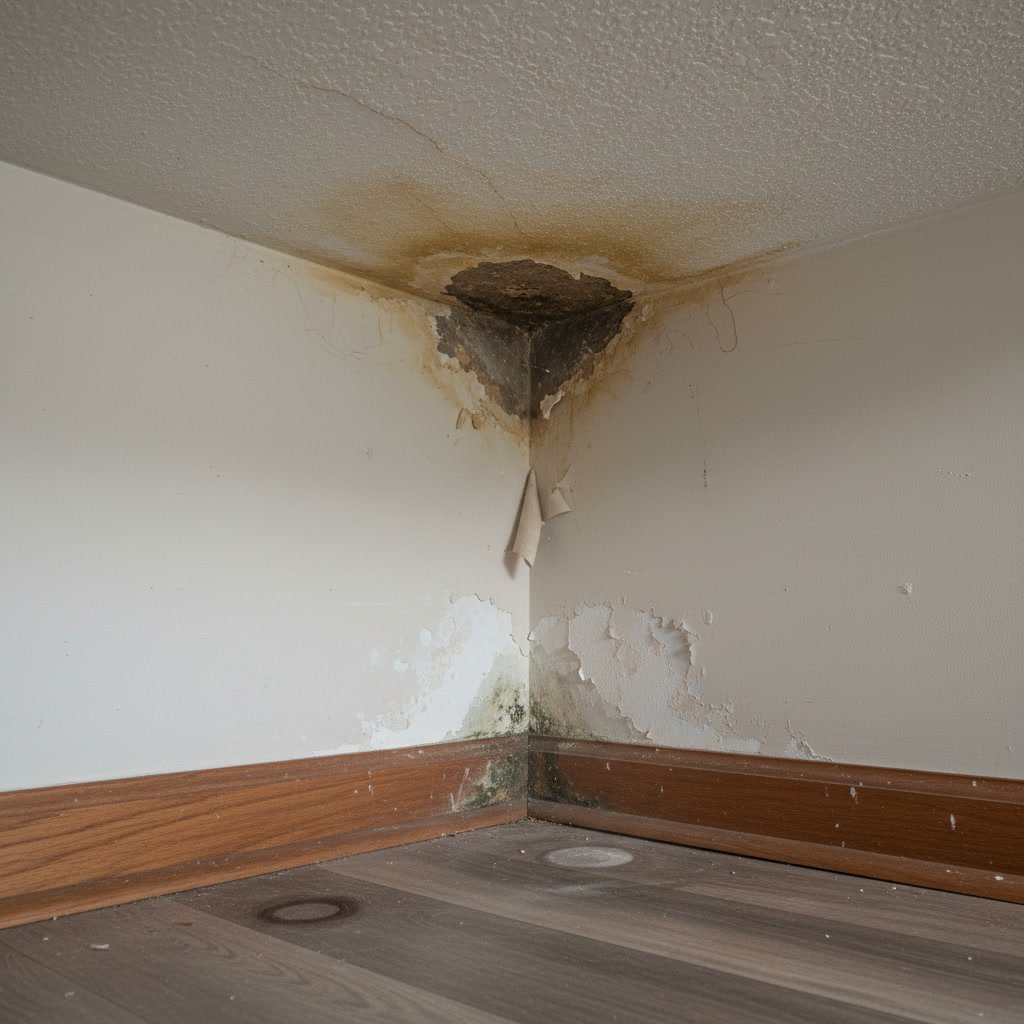
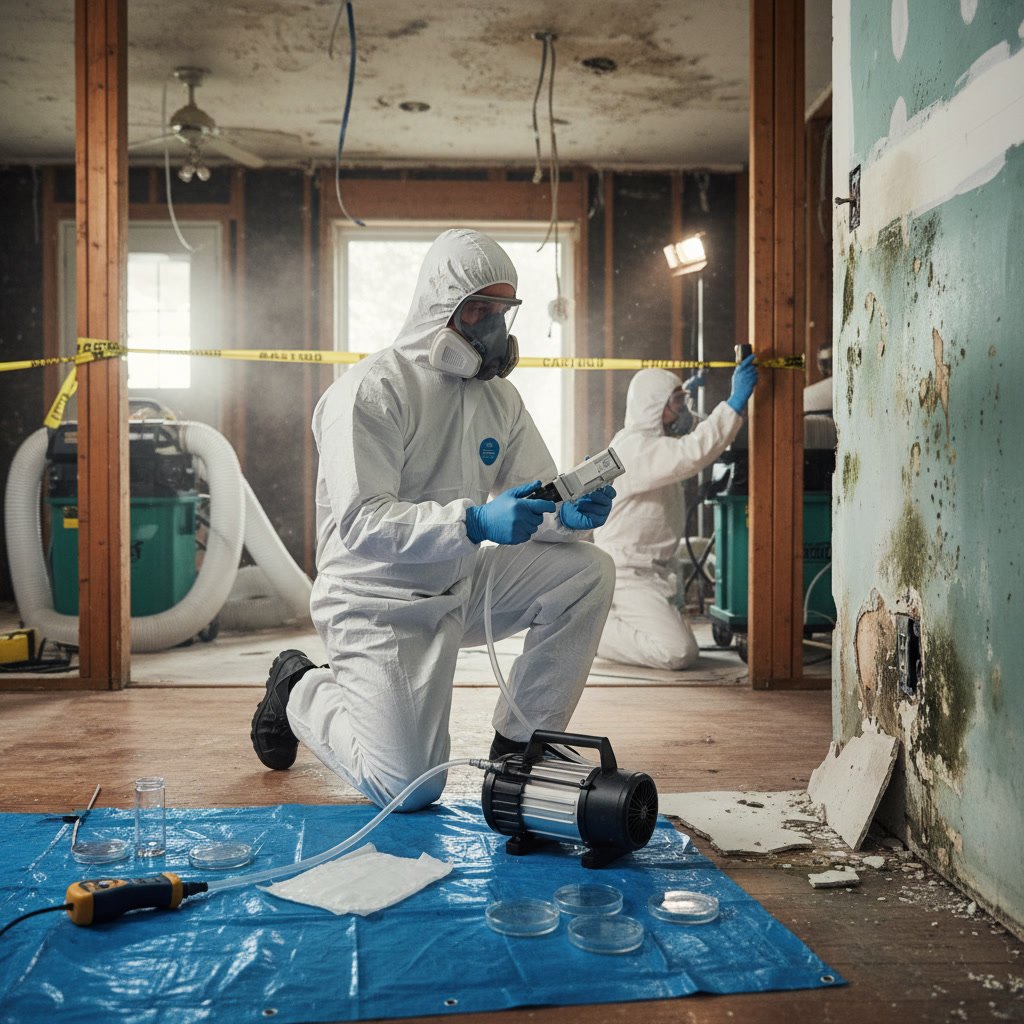
Mold can begin colonizing within 24 to 48 hours after materials become wet. Inspectors look for visible growth and musty odors that indicate hidden colonies. They also identify conditions conducive to future growth, like ongoing moisture sources or inadequate ventilation.
Air quality testing uses spore traps or surface samples when contamination is suspected but not visible. Results help determine whether remediation is needed beyond standard drying procedures, which affects both the scope of work and project cost.
Properties that have experienced prior water events sometimes have dormant mold that activates when new moisture arrives. Differentiating between fresh and pre-existing growth matters for insurance purposes, as many policies exclude coverage for maintenance-related issues.
Determining Which Materials Can Be Saved Versus Replaced
Porous materials like insulation, carpet pad, and particleboard rarely survive Category 2 or 3 water contact. Semi-porous materials such as drywall and engineered wood can often be dried if addressed within 48 hours, depending on water category and saturation level.
Non-porous materials like metal, glass, and hard plastics clean and dry successfully in most situations. Solid hardwood flooring can often be saved through controlled drying, while laminate and engineered products with particle cores usually require replacement.
The decision balances restoration cost against replacement cost, factoring in the remaining useful life of the material. Sometimes partial replacement makes more sense than attempting to dry heavily saturated older materials that may fail soon anyway. This evaluation directly affects the restoration process from start to finish.
Creating an Action Plan Based on Inspection Findings
The inspection findings translate into a prioritized work plan. Emergency tasks like water extraction, sewage removal, and structural stabilization happen first. Controlled demolition of unsalvageable materials follows, then drying and dehumidification of what can be saved.
Timeline estimates account for material drying rates, which vary based on saturation level, material density, temperature, and humidity. Thick materials like hardwood or plaster require longer drying times than thin materials like drywall facing. Realistic schedules prevent premature reconstruction that traps moisture and causes failure.
Specialists coordinate with other trades when needed. Plumbers repair pipe leaks, roofers fix roof penetrations, and electricians address wiring issues before restoration work proceeds. This sequencing prevents rework and ensures all underlying problems get resolved.
Protecting Your Property and Peace of Mind
A thorough professional inspection transforms uncertainty into a clear action plan. You understand what happened, why it happened, and exactly what needs to happen next. The documentation protects your insurance claim while the technical assessment ensures no hidden damage gets left behind to cause problems later.
Properties throughout the region face unique water damage risks based on age, construction type, and environmental exposure. The inspection process adapts to these variables, delivering customized solutions rather than one-size-fits-all approaches.
React Restoration LLC provides comprehensive inspection services backed by certified technicians and advanced detection equipment. When water threatens your property in Philadelphia or surrounding areas, a detailed assessment is the first step toward complete recovery. Reach out to our team at +16108583469 for rapid response and expert evaluation that protects both your property and your investment.