The fire damage restoration process follows a structured sequence of professional steps designed to stabilize your property, remove damage, and restore your home or business to pre-loss condition. Certified restoration teams assess structural safety, remove smoke and soot, address water damage from firefighting efforts, and coordinate reconstruction to return the property to full function. This process typically spans several weeks depending on the severity of damage and scope of repairs needed.
Understanding the Immediate Impact of Fire on Your Property
Fire creates multiple layers of damage that extend far beyond visible flames. The heat alone can warp structural elements, melt plastics, and crack glass. Smoke permeates porous materials like drywall, insulation, and fabrics, leaving persistent odors and discoloration. Soot settles on every surface, creating acidic residues that continue damaging materials long after the fire is extinguished.
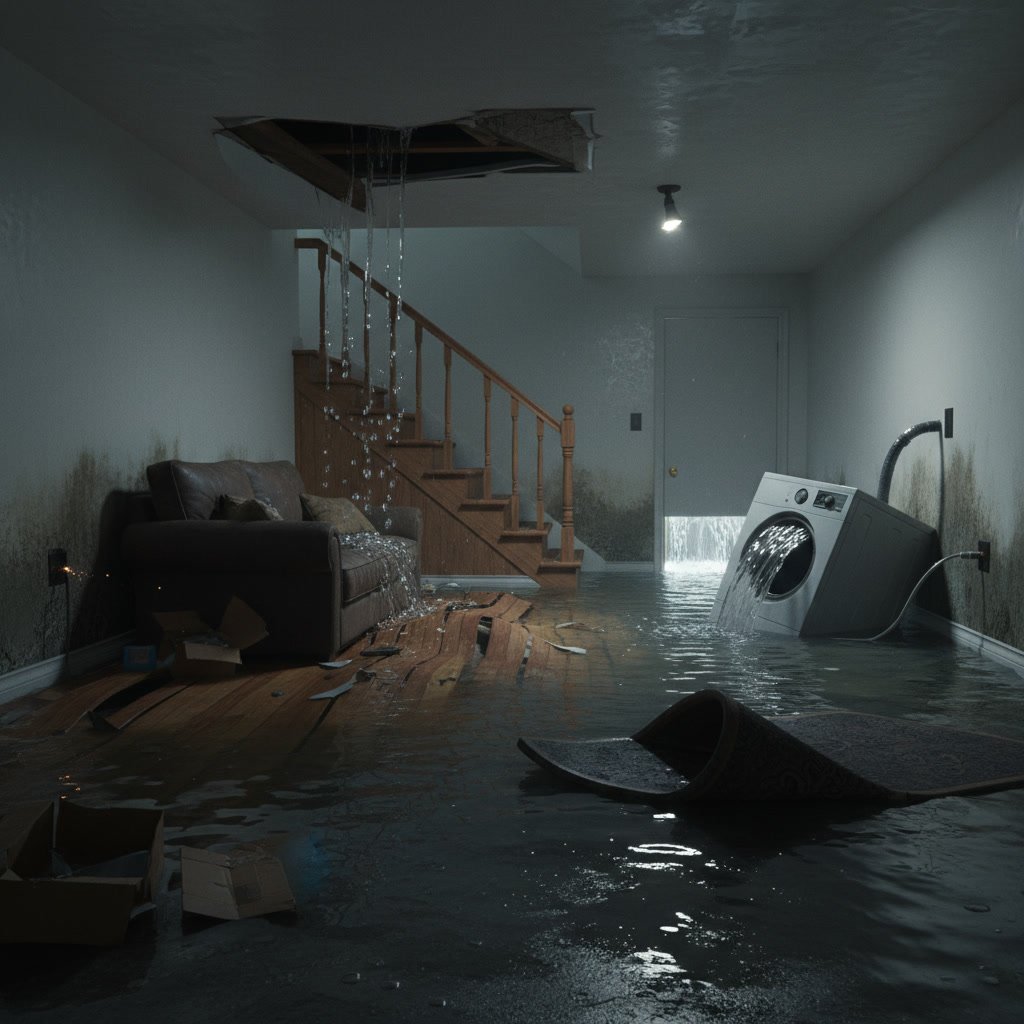
Firefighting efforts introduce another challenge: water damage. Thousands of gallons of water may flood your property during suppression, saturating floors, walls, and contents. This moisture creates urgent secondary risks including mold growth, wood rot, and electrical hazards. Properties affected by fire almost always require water extraction services as part of the restoration plan.
Why Immediate Professional Response Matters After a Fire
The first 24 to 48 hours after a fire determine how much damage becomes permanent. Acidic soot residues etch into metal surfaces, causing irreversible corrosion. Smoke odors penetrate deeper into porous materials with each passing hour. Standing water advances through subfloors and wall cavities, expanding the affected area.
Professional teams secure the property quickly to prevent additional loss from weather exposure, vandalism, or theft. Board-up services protect broken windows and compromised entry points. Tarping shields damaged roofs from rain. These protective measures stop the clock on escalating damage while restoration planning begins.
Initial Safety Assessment and Structural Evaluation
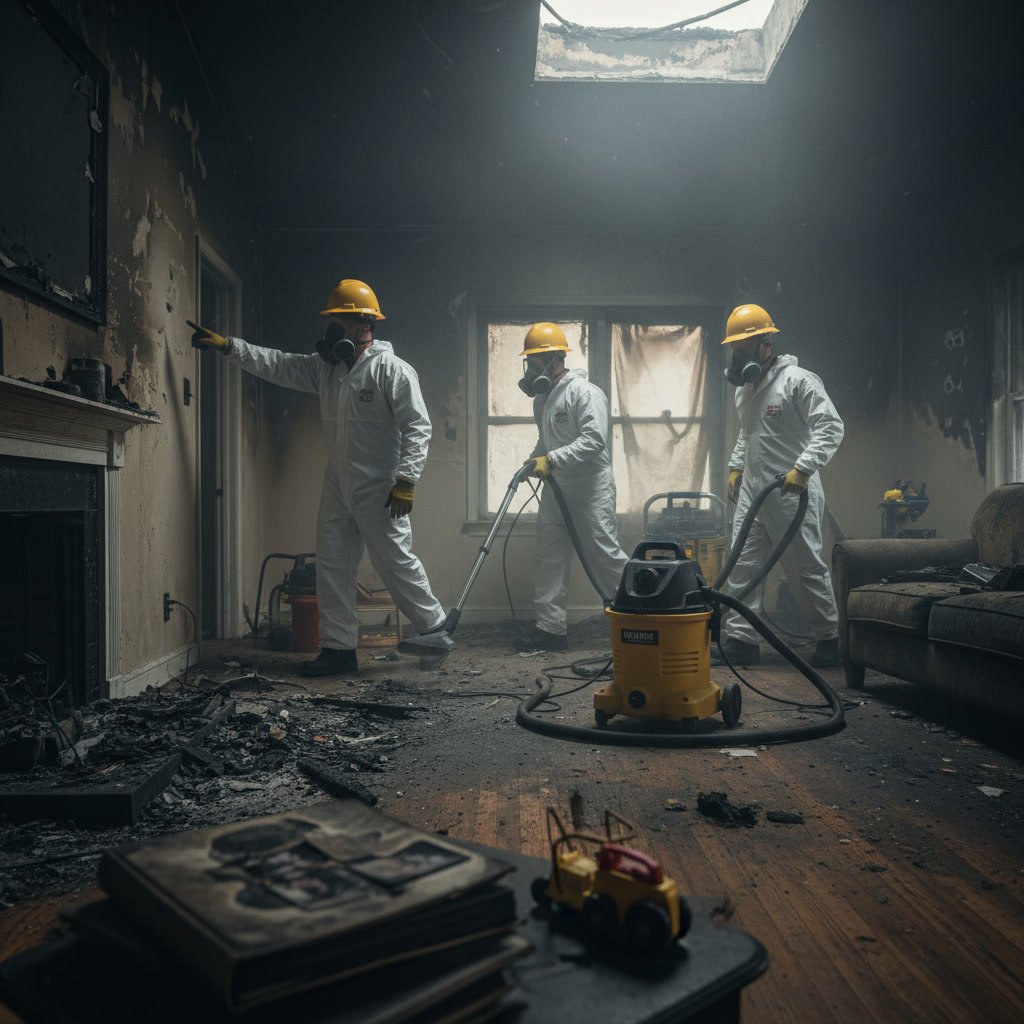
Before any restoration work begins, certified technicians conduct a thorough safety inspection. They check for compromised structural elements, including weakened floor joists, damaged support beams, and unstable ceilings. Electrical systems are tested for short circuits and fire hazards. Gas lines are inspected for leaks. HVAC systems are evaluated to prevent circulating contaminated air.
This assessment determines which areas are safe to enter and what personal protective equipment teams need. Structural engineers may be called for commercial properties or severe residential damage. The evaluation produces a detailed scope of work that guides every subsequent phase.
Emergency Stabilization and Property Securing in Philadelphia
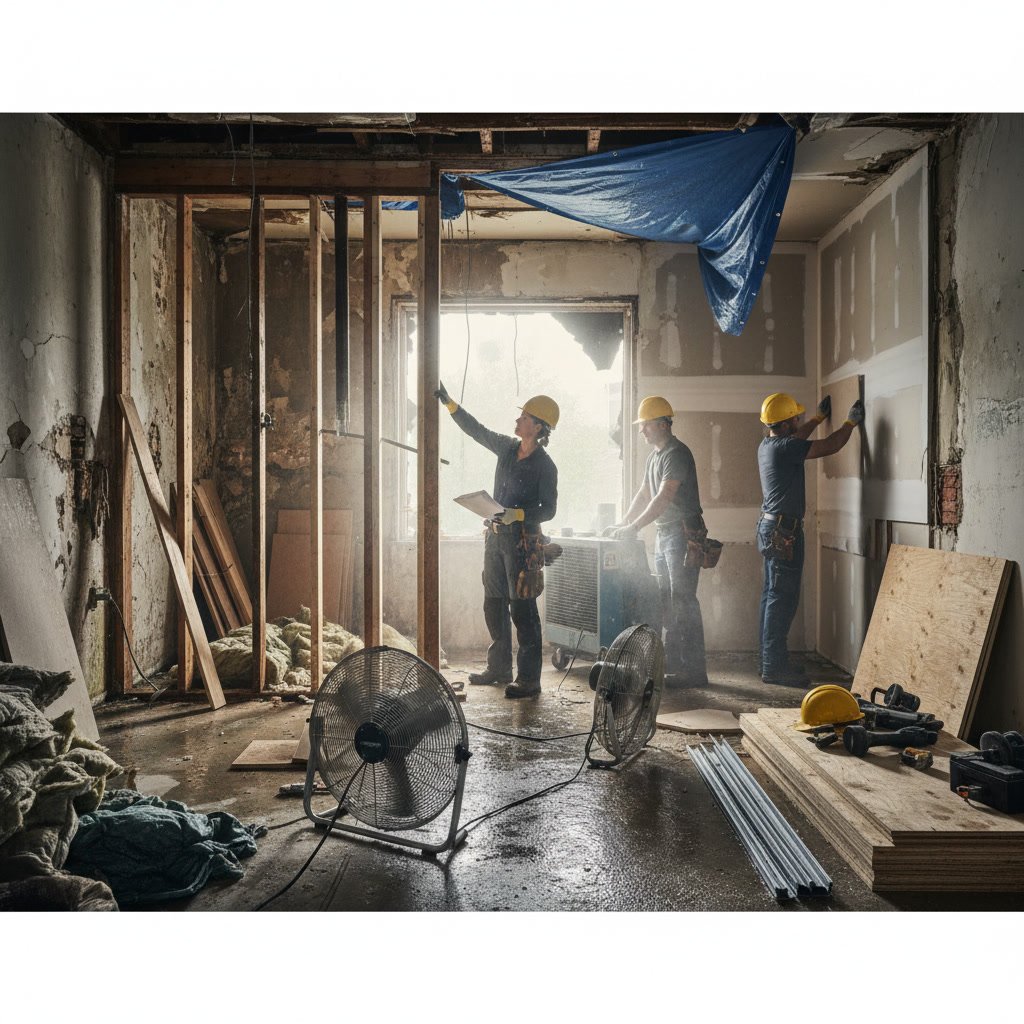
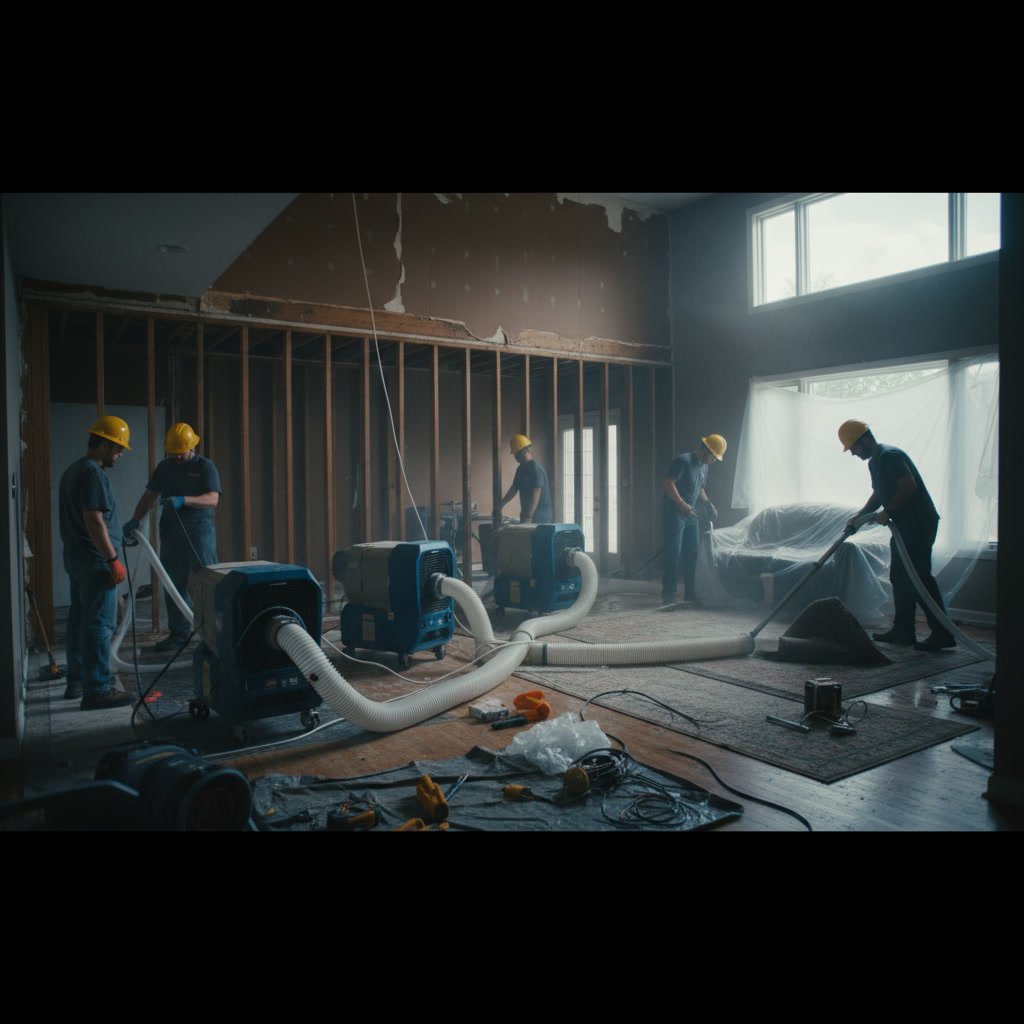
Once the property is deemed structurally sound enough for work to proceed, emergency stabilization begins. Teams remove standing water using industrial extractors and pumps. Damaged windows and doors receive emergency board-up protection to seal the building envelope. Tarps are secured over roof damage to prevent weather intrusion.
Power may be temporarily restored to unaffected circuits to support drying equipment. Commercial air movers and dehumidifiers are positioned strategically to begin moisture removal. This phase typically completes within 24 to 48 hours for most residential properties in the Philadelphia region.
Comprehensive Damage Documentation for Insurance
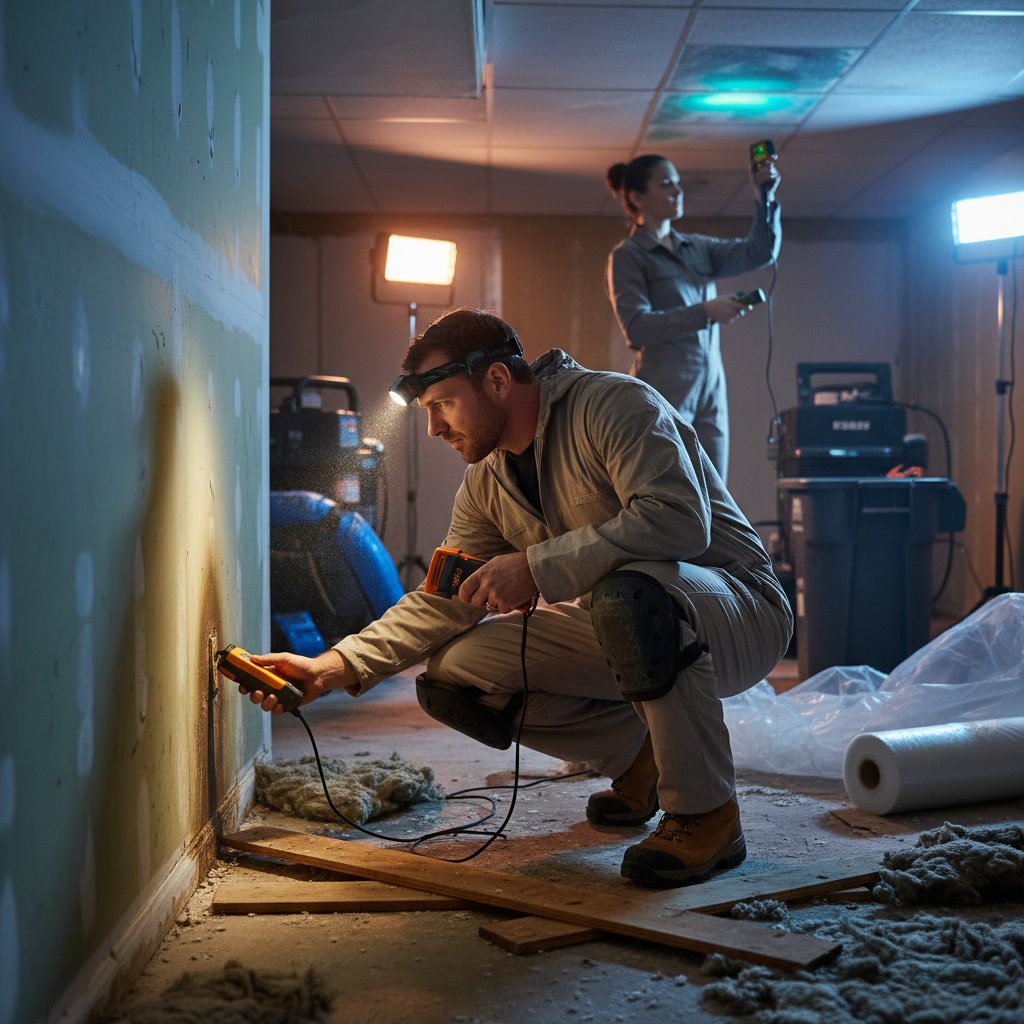
Detailed documentation forms the foundation of your insurance claim. Restoration technicians photograph and video every damaged area from multiple angles. They inventory affected contents, noting brand, age, and condition. Moisture readings are recorded using thermal cameras and meters to map the full extent of water intrusion.
This documentation includes detailed written reports describing damage types, affected materials, and recommended restoration methods. React Restoration LLC provides comprehensive documentation packages that insurance adjusters use to evaluate claims accurately. Property owners who understand the connection between thorough documentation and claim approval often see faster settlements and fewer disputes.
Soot and Smoke Removal Process
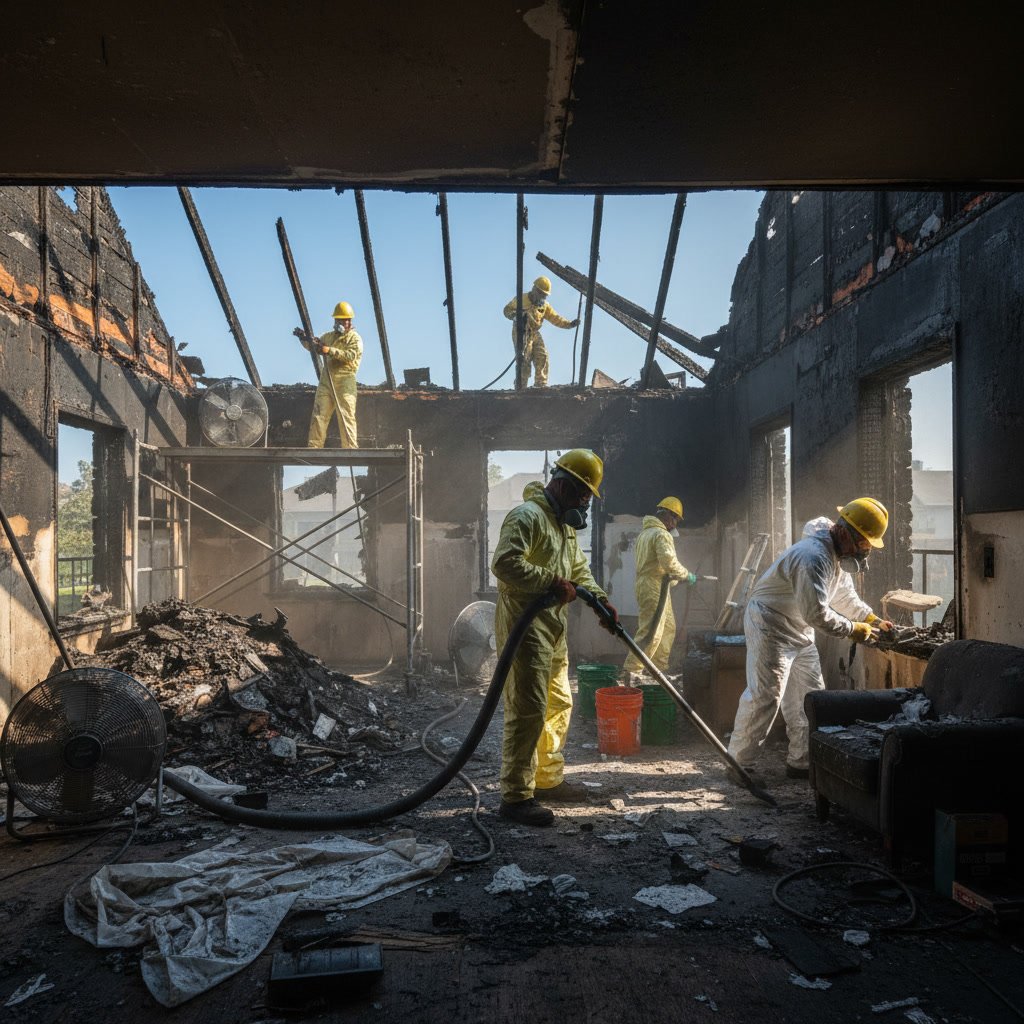
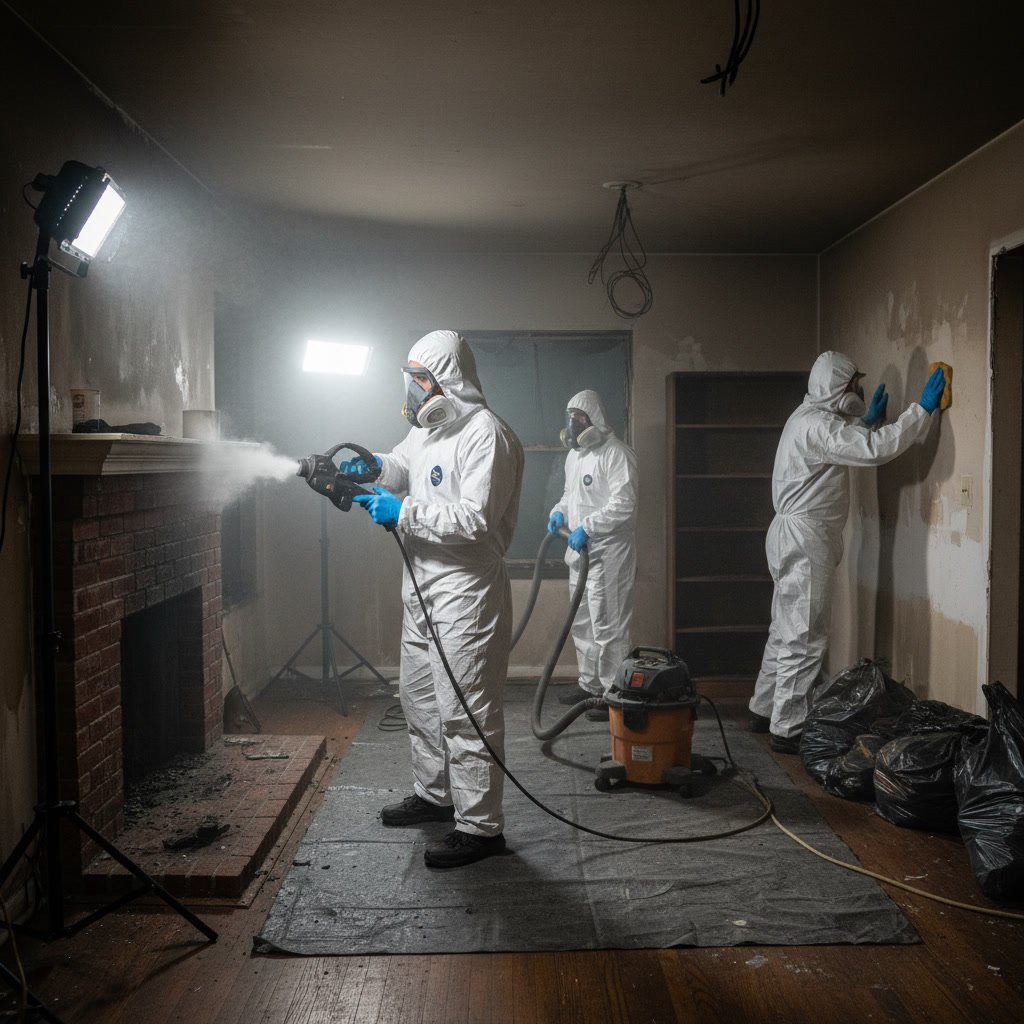
Soot removal requires specialized techniques matched to surface types. Dry sponges lift loose soot from walls and ceilings without smearing. HEPA vacuums capture fine particulates from textured surfaces. Chemical cleaners dissolve oily residues left by synthetic materials that burned. Abrasive methods like soda blasting remove stubborn deposits from brick and concrete.
Different fire types create different soot compositions. Protein fires from cooking leave nearly invisible residues with powerful odors. Synthetic material fires produce thick, sticky soot. Each requires specific cleaning agents and methods. Attempting improper cleaning can actually drive soot deeper into materials, making permanent removal impossible.
Step-by-Step Odor Elimination and Air Quality Restoration
Smoke odor removal follows a systematic approach that addresses sources rather than masking smells. The process includes:
- Source removal by discarding materials too saturated to clean effectively, including burned insulation, charred wood, and heavily damaged textiles.
- Deep cleaning of all salvageable surfaces using odor-neutralizing agents that break down smoke molecules chemically.
- HVAC system cleaning to eliminate trapped smoke particles in ductwork, which would otherwise recirculate odors throughout the property.
- Thermal fogging or ozone treatment for persistent odors, using specialized equipment that penetrates porous materials at the molecular level.
- Sealing of porous surfaces like subfloors and framing lumber with odor-blocking primers before reconstruction.
This multi-step approach addresses odors at every level rather than relying on a single treatment. Properties that skip steps often experience odor return weeks or months later, requiring repeated treatments.
Water Damage Mitigation and Drying
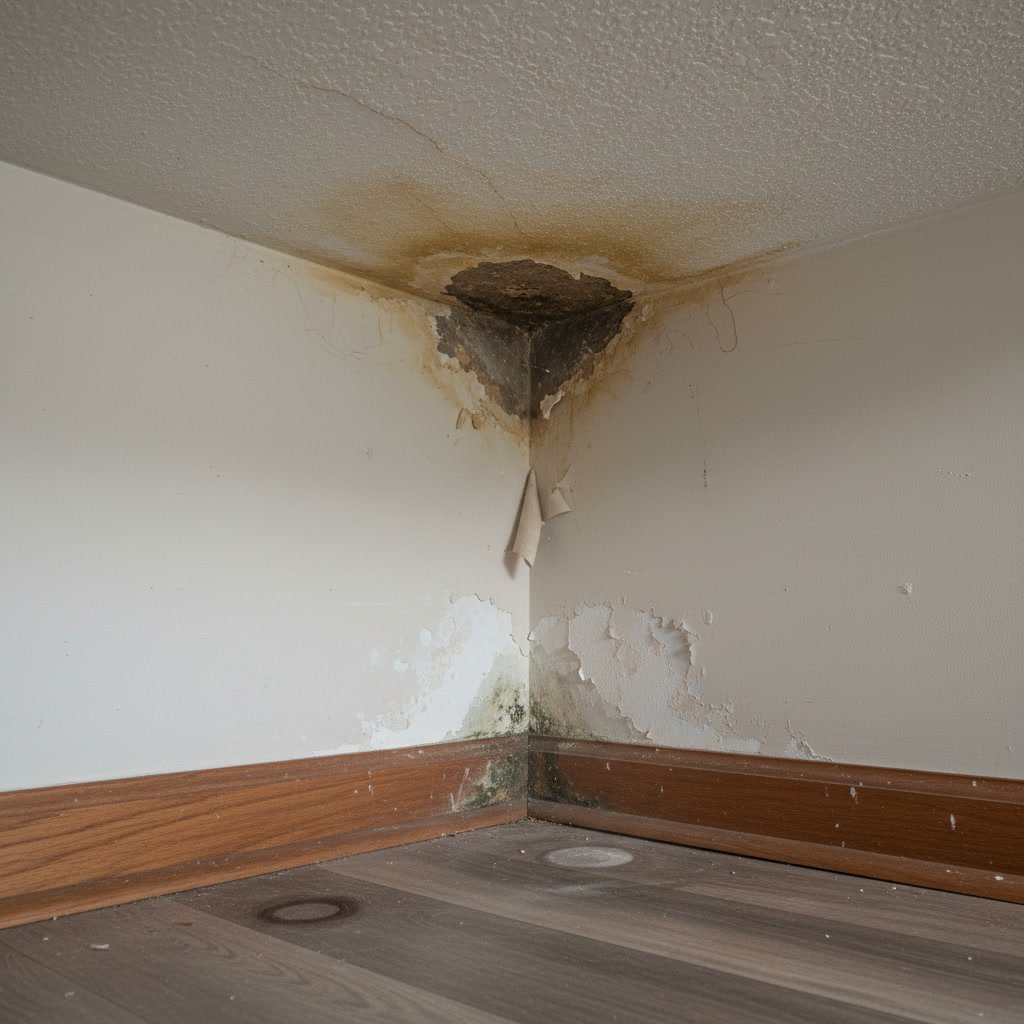
The water damage component of fire restoration often exceeds the direct fire damage in scope. Complete structural drying prevents mold growth, wood decay, and material delamination. Industrial dehumidifiers pull moisture from the air while air movers create airflow across wet surfaces to accelerate evaporation.
Moisture meters track progress in walls, floors, and ceilings. Technicians take daily readings until materials reach normal dry standards, typically 12 to 15 percent moisture content for wood. Hidden moisture in wall cavities may require removing baseboards or drilling small access holes for targeted drying. The entire drying phase typically requires three to seven days depending on the volume of water and environmental conditions.
Similar techniques are used during standard water damage restoration projects, though fire-related water damage often involves additional contaminants from smoke and ash.
Demolition and Removal of Unsalvageable Materials
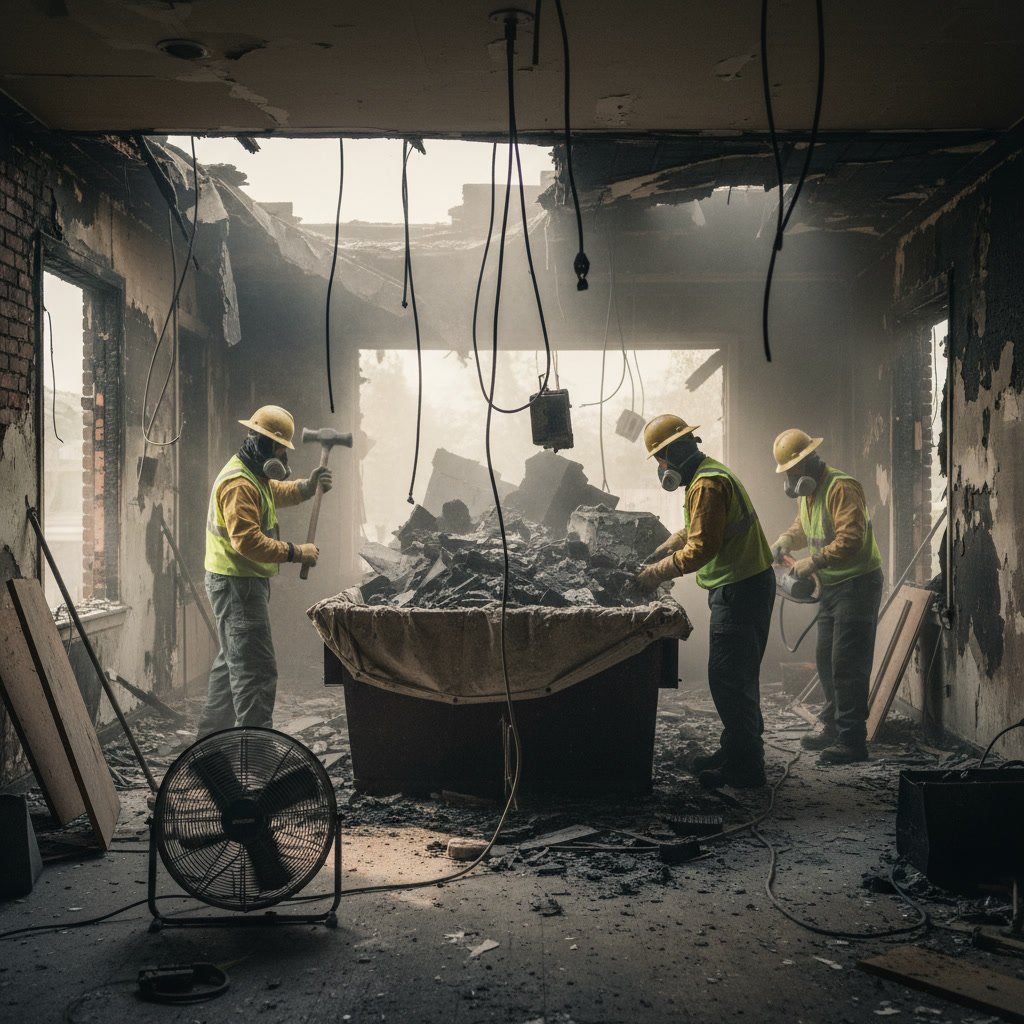
Not all materials can be restored. Structural elements with fire damage exceeding 50 percent of their cross-section require replacement for safety. Drywall exposed to high heat loses its fire-resistant properties. Insulation contaminated with smoke must be removed to eliminate odor sources. Flooring materials that absorbed significant water or sustained burn damage come out completely.
Selective demolition removes only what cannot be saved, preserving original materials wherever possible. This approach reduces costs and preserves the property’s character. Debris is sorted for proper disposal, with hazardous materials like asbestos-containing products handled according to environmental regulations.
Reconstruction and Rebuilding to Pre-Loss Condition
The reconstruction phase transforms the cleaned, dried structure back into a functional space. Framing repairs restore structural integrity. New drywall, insulation, and vapor barriers create proper building envelope performance. Electrical, plumbing, and HVAC systems are repaired or replaced as needed.
Finish work includes flooring installation, cabinet replacement, painting, and trim. Restoration reconstruction aims to match original materials and finishes, though building code updates may require some modifications. Modern electrical panels, GFCI outlets in wet areas, and other safety improvements often become part of the rebuild.
The reconstruction timeline varies widely based on damage extent. Minor fires affecting a single room may complete in two to three weeks. Whole-house fires requiring extensive rebuilding can extend three to six months. Coordinating with insurance adjusters, obtaining permits, and ordering custom materials all influence the schedule.
Getting Your Property and Life Back on Track
Fire damage creates overwhelming disruption, but following the proper restoration sequence returns your property to safe, functional condition. Each phase builds on the previous work, from initial stabilization through final reconstruction. Certified restoration specialists bring the expertise, equipment, and coordination needed to manage this complex process effectively.
Properties throughout Bucks County, Delaware County, and Montgomery County face fire risks from cooking accidents, electrical failures, heating equipment malfunctions, and other common causes. Understanding what to expect during restoration helps you make informed decisions during a stressful time.
React Restoration LLC provides complete fire damage restoration services from emergency response through final reconstruction. The certified team manages every phase with clear communication and quality workmanship, helping property owners navigate damage with confidence. If your property has experienced fire damage, contact the restoration specialists at +16108583469 for 24/7 emergency response and a comprehensive assessment.