Property damage that spreads or worsens by the hour demands immediate action. When water penetrates building materials, fire residue settles into porous surfaces, or structural stability becomes compromised, every minute without professional intervention increases repair costs and safety risks. A 24 hour emergency response team can stop active damage progression, secure your property, and begin mitigation work that prevents secondary destruction.
Understanding the Difference Between Urgent and Emergency Damage
Not all property damage requires immediate professional response. A small roof leak discovered during daytime hours with a bucket catching drips can often wait for a scheduled appointment. The distinction lies in whether the damage is actively spreading, creating health hazards, or compromising structural integrity. Emergency situations involve ongoing threats to your property’s condition or occupant safety, while urgent issues need prompt attention within one to three business days but are currently contained.
The classification matters because emergency restoration teams mobilize differently than scheduled service calls. Emergency crews arrive equipped for damage assessment, immediate containment, and the first phase of restoration work. They bring industrial extraction equipment, safety gear, containment materials, and diagnostic tools designed for rapid deployment.
When Water Damage Becomes a True Emergency
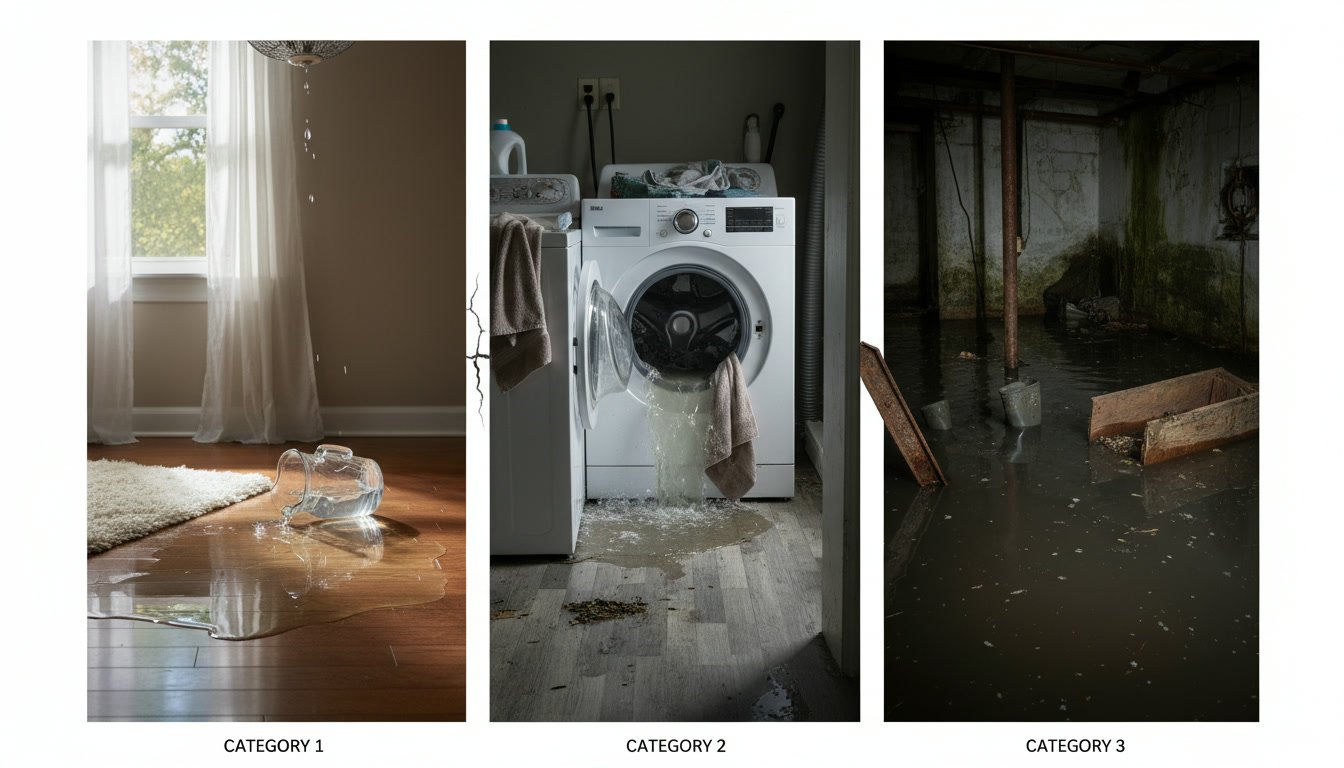
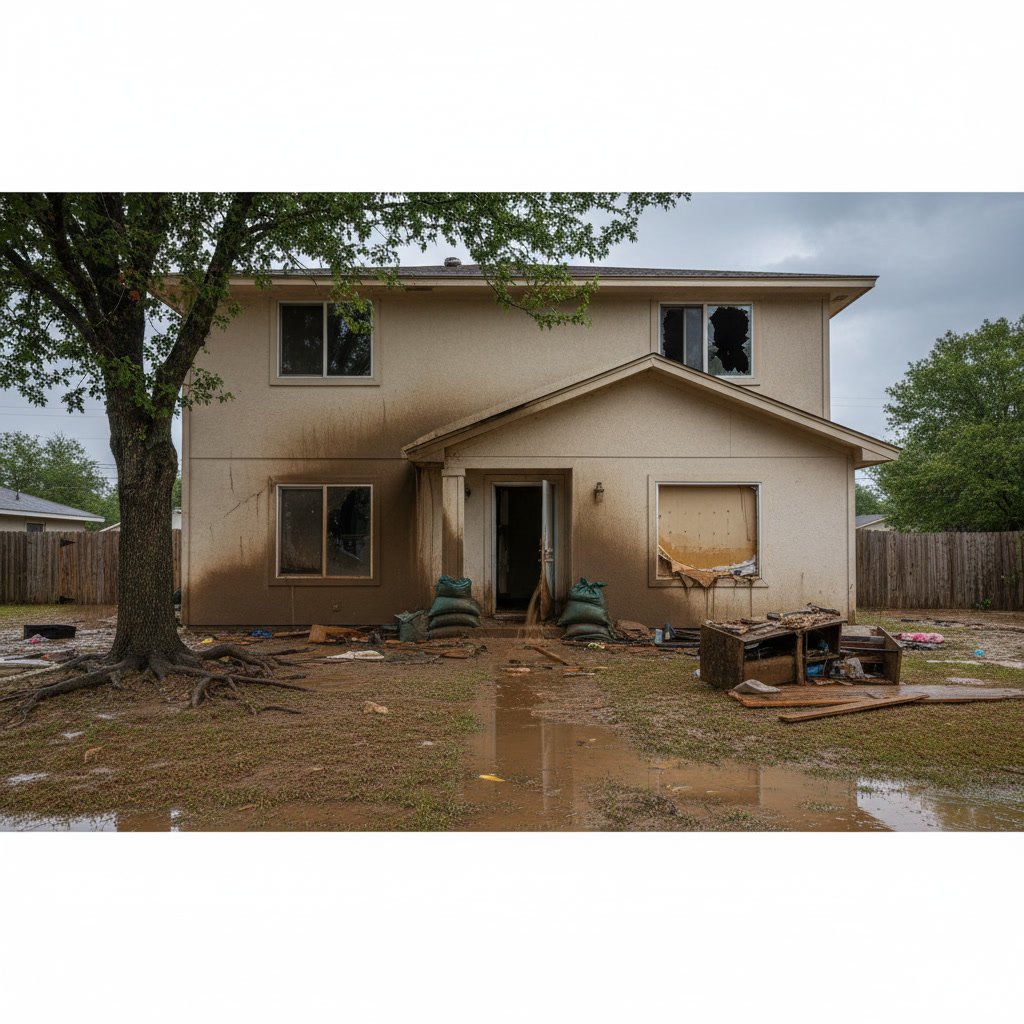
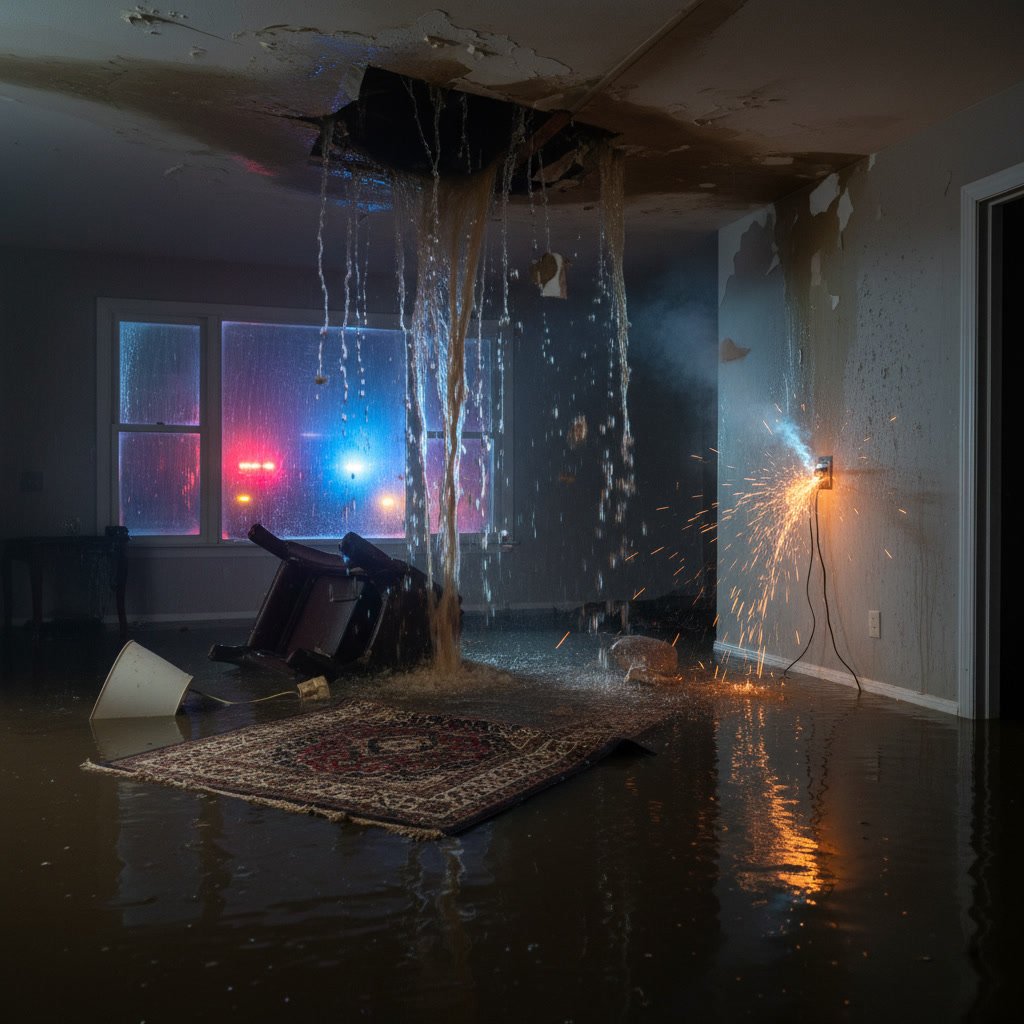
Water damage transforms from an urgent issue into an emergency based on volume, location, and contamination level. Standing water deeper than two inches throughout a room requires immediate water extraction services because subflooring absorbs moisture within the first few hours, leading to permanent warping and mold colonization. Water that reaches electrical outlets, appliances, or your home’s electrical panel creates immediate shock and fire hazards that demand professional intervention before anyone re-enters affected areas.
Category three water, which includes sewage backups, flooding from rivers or streams, and water contaminated with chemicals or biological matter, always constitutes an emergency regardless of volume. These situations expose occupants to pathogens, toxins, and bacteria that cause serious illness. Professional teams trained in biohazard protocols must handle containment, removal, and sanitization.
Recognizing Fire Damage That Cannot Wait Until Morning
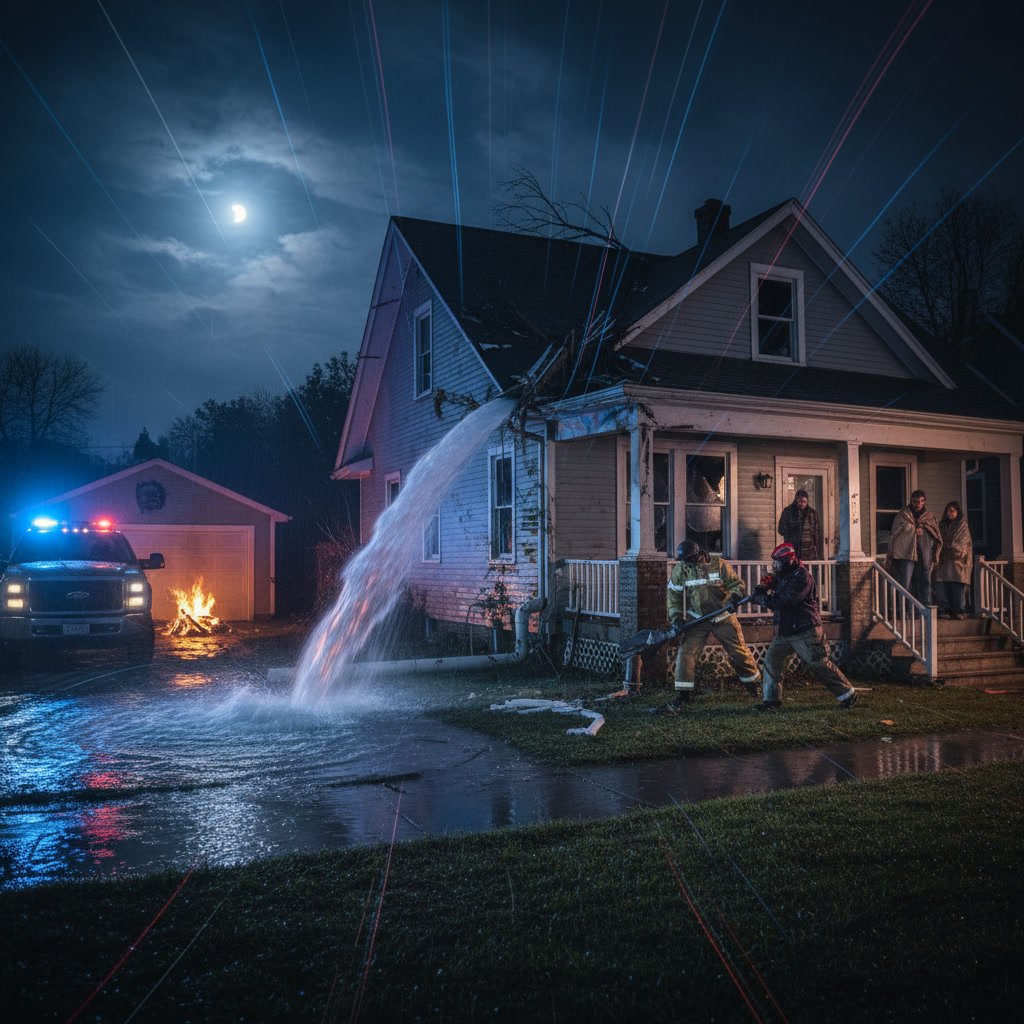
Fire damage assessment often reveals hidden destruction that worsens without immediate professional treatment. Acidic soot and smoke residue begin etching into metal surfaces, glass, and electronics within hours of a fire. The corrosive process continues even after flames are extinguished, permanently damaging items that could have been restored with rapid response. Structural components weakened by fire remain vulnerable to collapse, particularly if firefighting efforts saturated building materials with thousands of gallons of water.
Properties affected by fire also face secondary water damage from suppression efforts. The combination creates ideal conditions for rapid mold growth within 24 to 48 hours. Fire damage restoration teams address both fire effects and water intrusion simultaneously, preventing compounding losses that occur when either damage type remains untreated.
Storm Damage Requiring Immediate Professional Response in Philadelphia
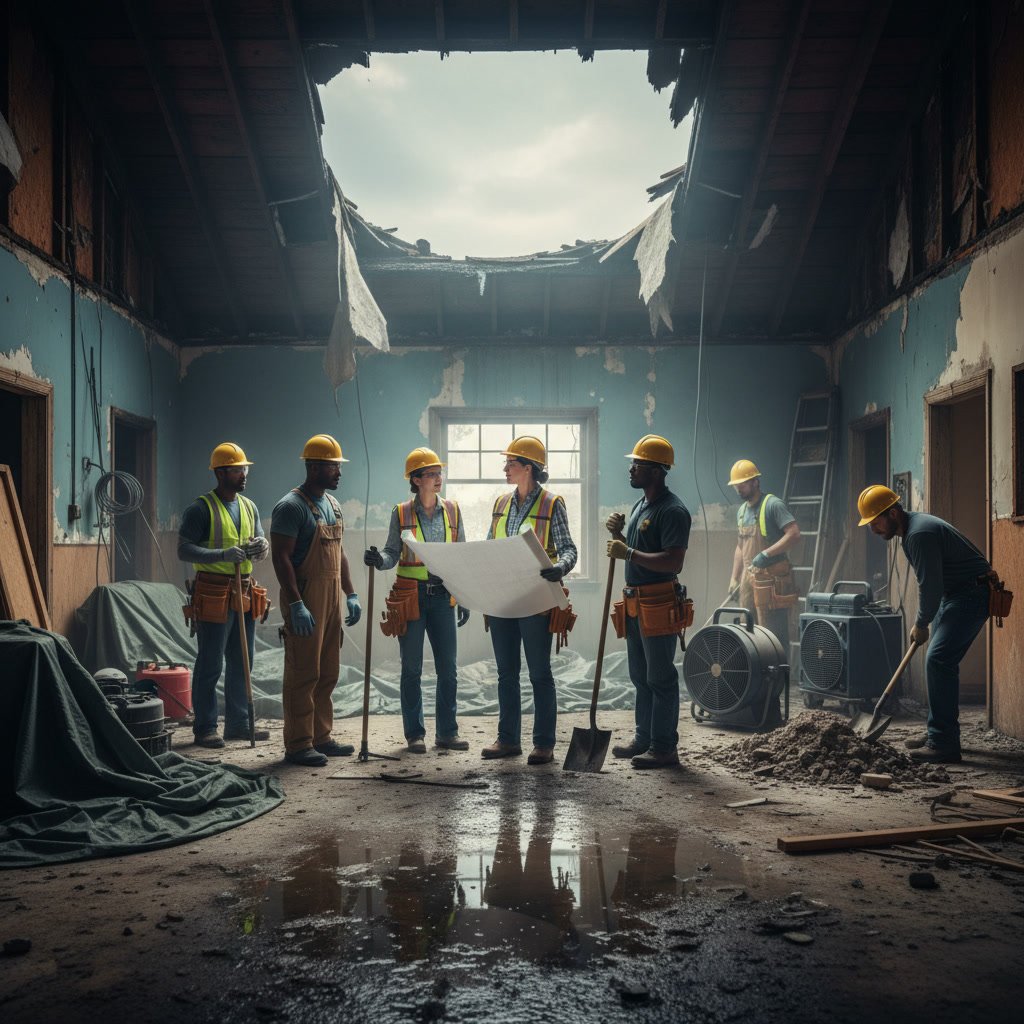
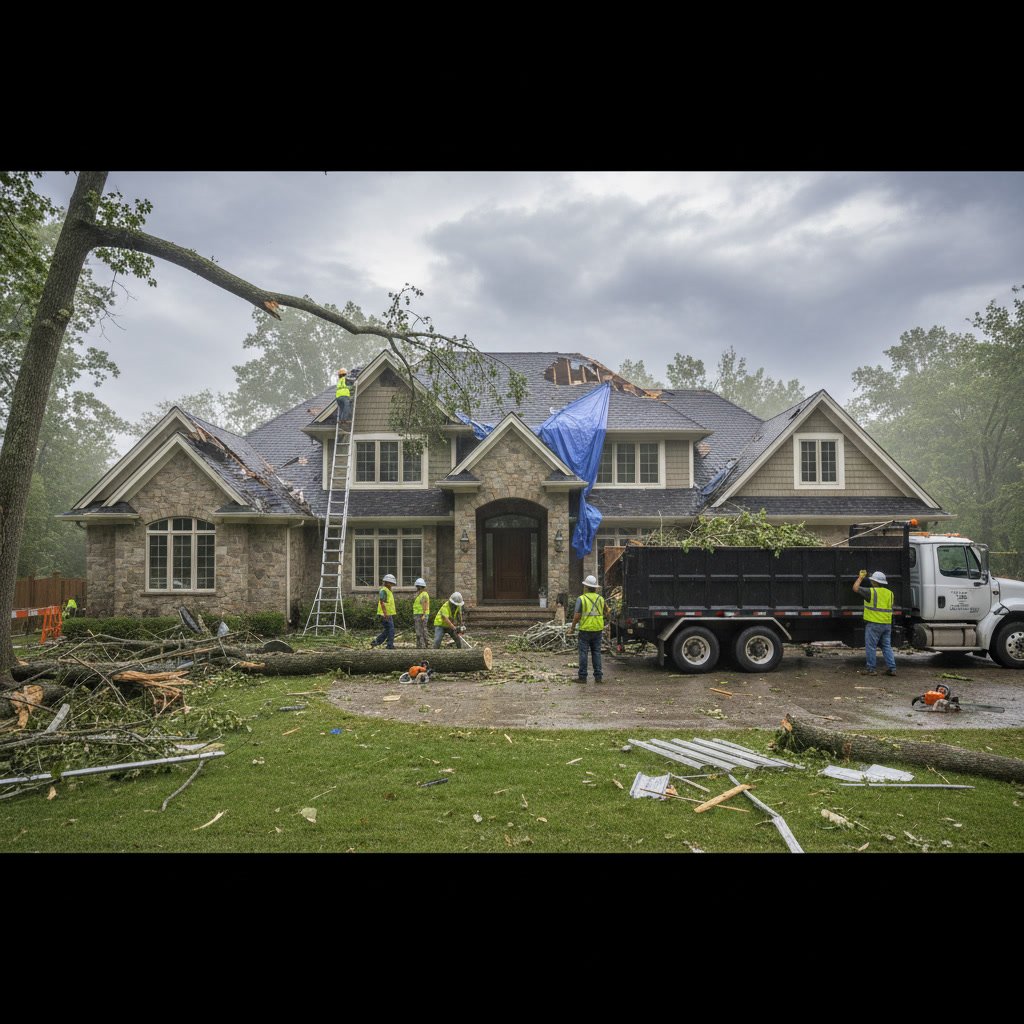
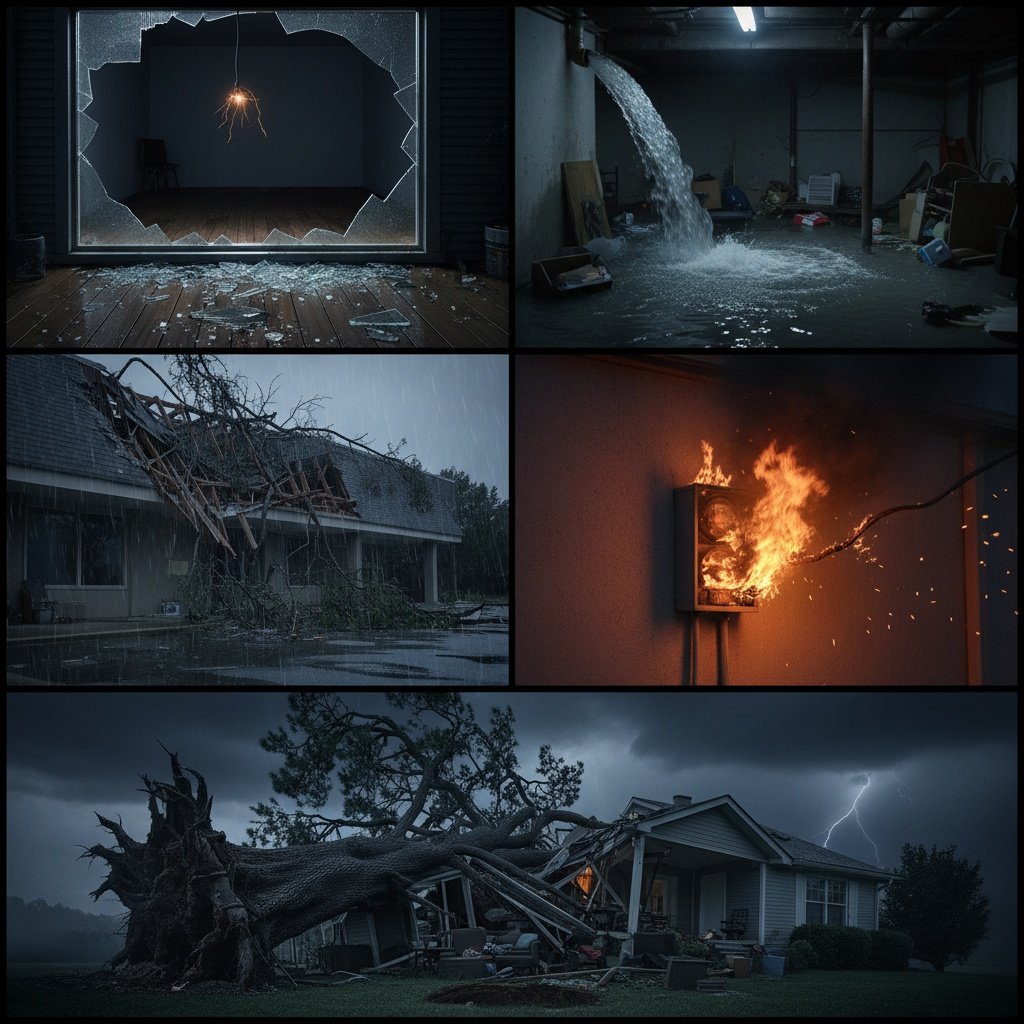
Severe weather events frequently cause damage that cannot wait for business hours. Compromised roofs that expose interior spaces to ongoing precipitation allow hundreds of gallons to enter your property with each passing hour. Missing shingles, punctures from fallen branches, or structural separation create entry points where wind-driven rain penetrates insulation, ceiling materials, and wall cavities. The longer these openings remain unsealed, the more extensive the interior damage becomes.
Broken windows and damaged doors leave your property vulnerable to weather, wildlife, and unauthorized entry. Properties in areas like Philadelphia face additional security concerns when structural openings remain unprotected. Trees or large branches resting on your roof continue causing damage as they shift with wind, gradually crushing structural members and expanding the affected area.
Five Critical Indicators You Need Emergency Help Tonight
Specific observable conditions signal that waiting until morning will result in significantly worse outcomes. First, visible water spreading across floors or dripping from ceilings indicates active intrusion that will continue destroying materials with each passing hour. Second, strong sewage odors or visible contamination mean biohazards are present that threaten health immediately. Third, sagging ceilings or floors suggest water-saturated materials at risk of collapse under their own weight.
Fourth, electrical sparking, burning smells, or repeatedly tripping breakers near water-damaged areas indicate dangerous conditions requiring immediate professional assessment and power disconnection. Fifth, visible mold growth covering more than ten square feet, or any amount of mold in HVAC systems, represents contamination actively spreading spores throughout your property. These five indicators share one characteristic: the problem worsens measurably with each hour of delay.
The 24-Hour Window for Preventing Permanent Damage
Restoration science identifies the first 24 hours after damage as the critical intervention period. Water absorbed into drywall, insulation, and subflooring during this window can often be dried and salvaged. After 24 hours, materials typically require removal and replacement rather than drying. Mold spores present in every environment begin active colonization on damp organic materials within this same timeframe.
The financial difference between immediate response and delayed service often amounts to thousands of dollars. A property owner who calls for help within two hours of discovering a burst pipe might face $3,000 in extraction and drying costs. The same situation left overnight typically results in $8,000 to $15,000 in repairs due to necessary demolition, mold remediation, and material replacement. This economic reality makes emergency response a cost-saving measure despite higher hourly rates for after-hours service.
How Sewage and Contaminated Water Changes the Timeline
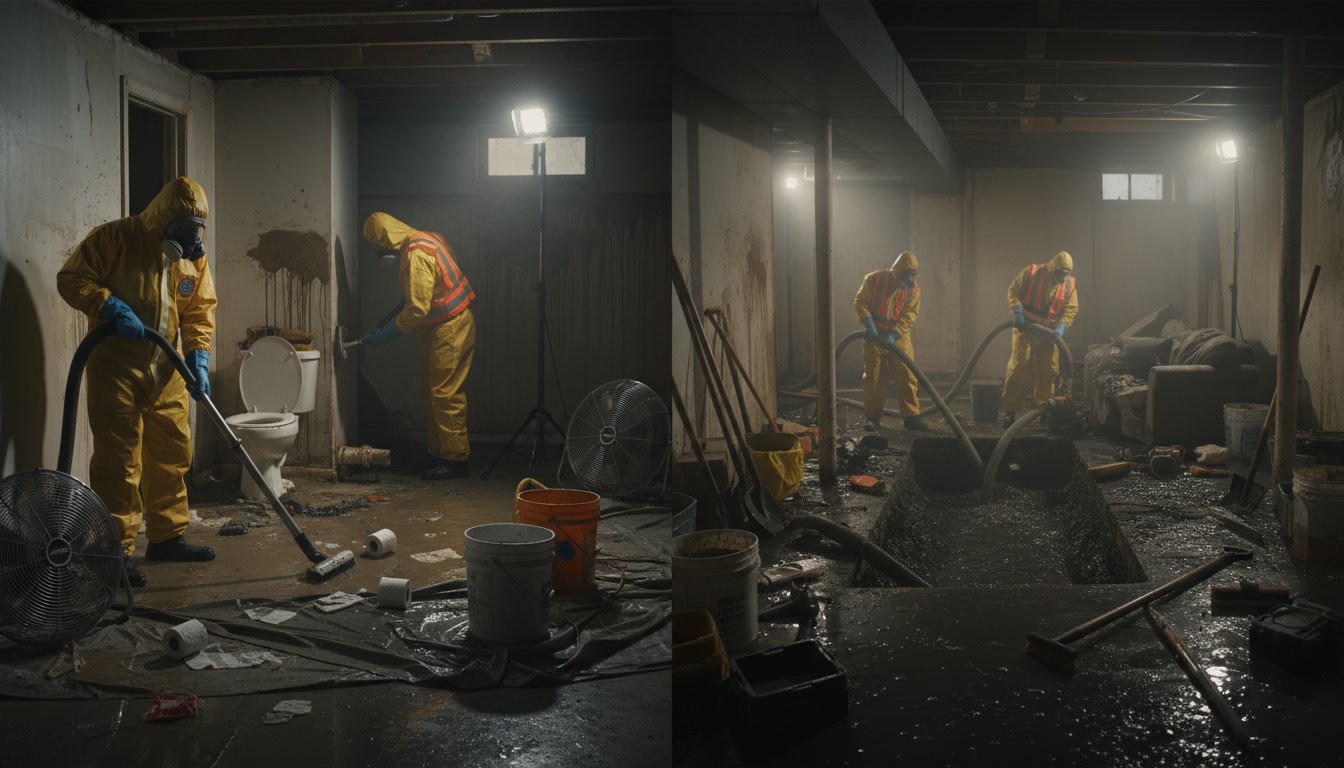
Standard water damage timelines compress dramatically when contamination is present. Category three water damage requires professional response within four hours to minimize health risks and prevent contamination from spreading throughout your property. Sewage contains bacteria like E. coli and pathogens that become airborne as water evaporates, contaminating surfaces far beyond the initial affected area.
Professional sewage cleanup protocols involve specialized equipment, protective gear, antimicrobial treatments, and proper disposal procedures that property owners cannot safely perform themselves. Attempting to address sewage backups without proper training and equipment exposes you to serious illness and fails to properly decontaminate affected areas. These situations always require immediate professional intervention regardless of the time or day.
Structural Compromise and Safety Concerns
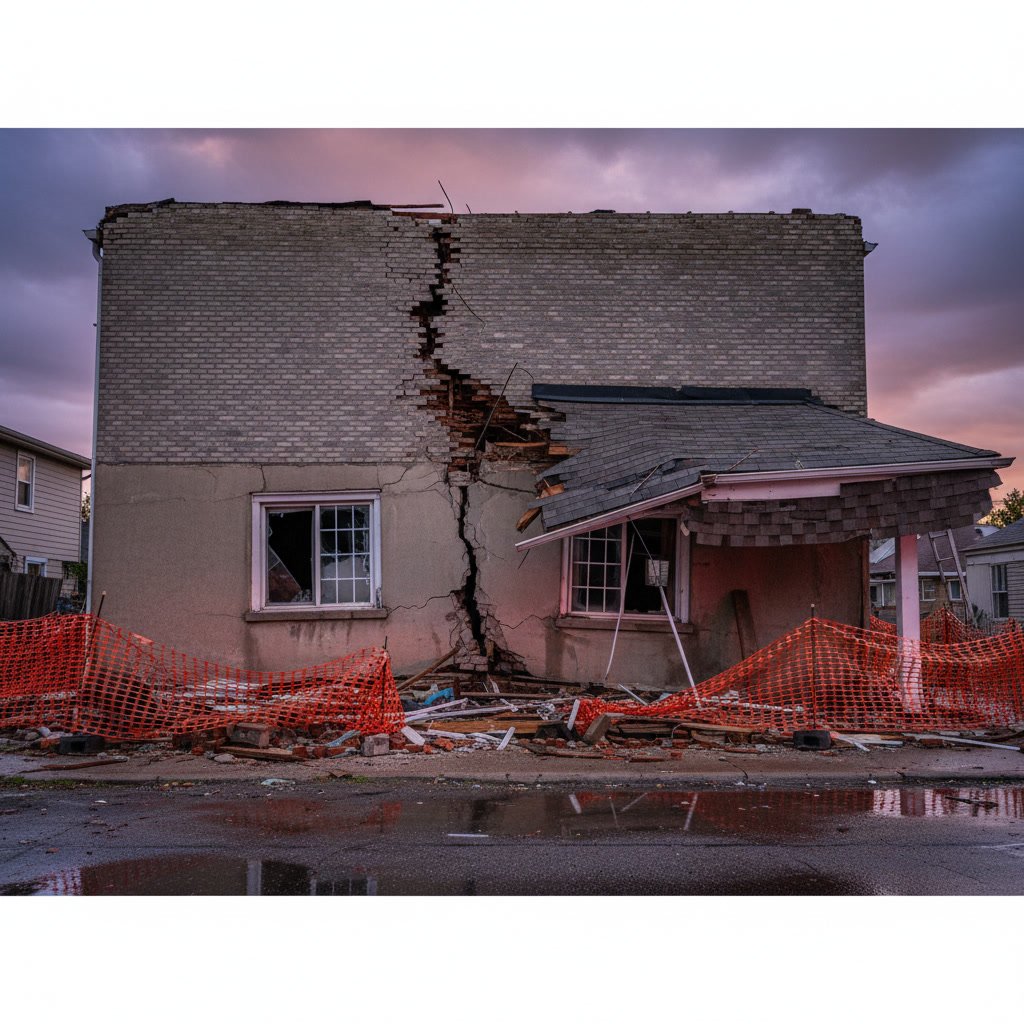
Damage affecting your property’s structural integrity creates immediate safety hazards that supersede all other considerations. Visible cracks in foundation walls, sagging support beams, or portions of roof or ceiling that have separated from structural members indicate potential collapse. Water damage that affects load-bearing walls, floor joists, or roof trusses weakens these components progressively as moisture content increases.
Fire damage that chars or burns through structural lumber reduces its load-bearing capacity by 70 percent or more even when the member appears partially intact. Storm damage that shifts framing, cracks masonry, or displaces structural connections creates unstable conditions that worsen as the damaged components bear ongoing loads. Properties showing these signs require immediate professional assessment and often need temporary supports installed before restoration work can safely proceed.
Why Next-Day Service Fails for Active Damage Scenarios
Scheduling restoration work during regular business hours makes sense for contained, non-progressing damage discovered after the initial event has ended. A small water stain on a ceiling discovered weeks after a roof leak was repaired does not require emergency response. The damage has stabilized, no active moisture intrusion continues, and waiting 12 to 24 hours for a scheduled appointment causes no additional harm.
Active damage scenarios operate under completely different physics. Water flowing from a supply line leak does not pause overnight. Fire and smoke residue continues its corrosive chemical reactions. Storm damage leaves openings that admit more water with each rain shower. The destructive processes continue operating on a physical and chemical level that ignores business hours. Professional intervention must match the timeline of the damage itself, not the convenience of a schedule.
What Happens During an Emergency Response Call
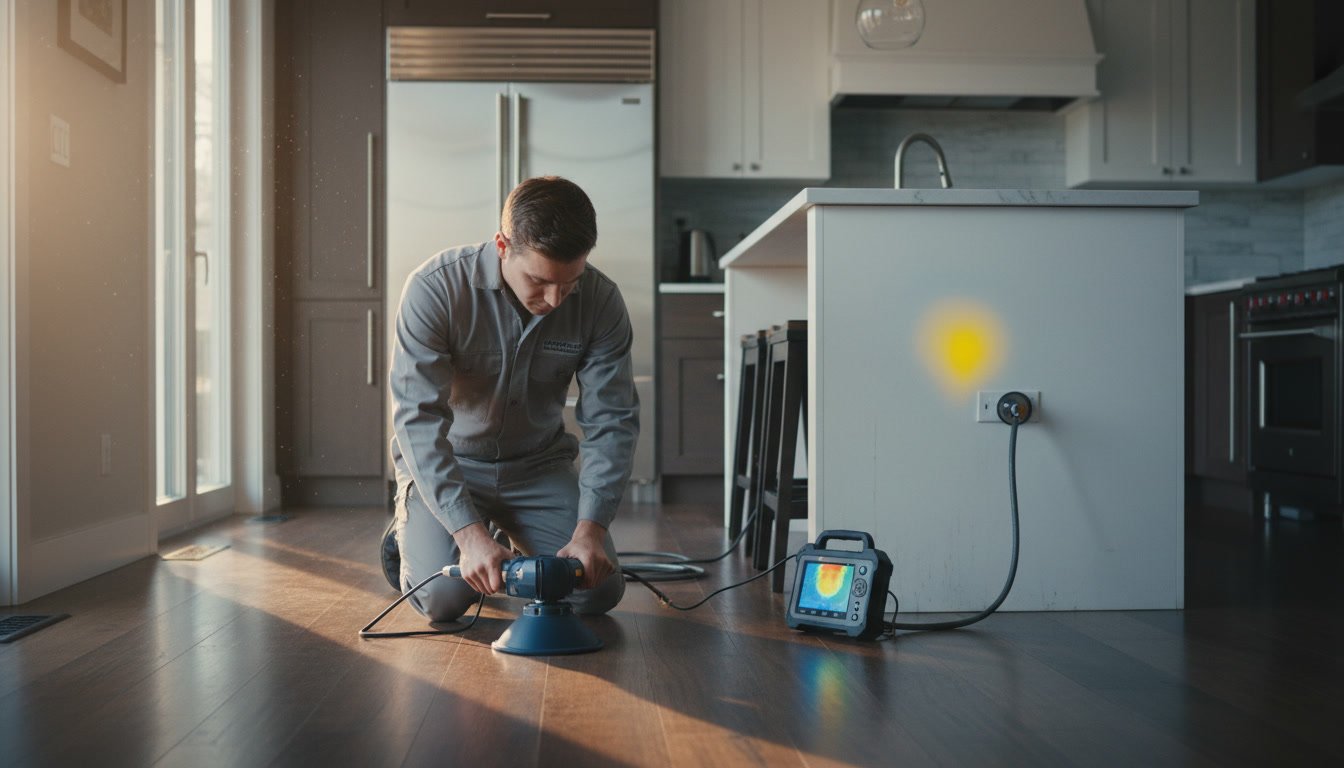
Emergency restoration teams follow specific protocols designed for rapid damage assessment and immediate mitigation. The first technician on-site conducts a safety evaluation, identifies hazards, and determines whether the property can be safely entered. For water damage, teams immediately begin extracting standing water using truck-mounted or portable extraction units capable of removing hundreds of gallons per hour. Thermal imaging cameras locate hidden moisture in wall cavities and beneath flooring.
Fire damage response focuses on securing the property, documenting conditions, removing salvageable items from affected areas, and applying treatments that stop soot and smoke residue from causing additional damage. Storm damage teams prioritize weather protection through emergency tarping, board-up services, and temporary structural supports. All emergency responses include detailed documentation for insurance purposes and development of a comprehensive restoration plan. Understanding what happens during professional water damage restoration from start to finish helps property owners recognize the value of immediate versus delayed response.
Protecting Your Property and Your Investment
Property damage rarely occurs at convenient times. The middle of the night, holiday weekends, and severe weather events account for a disproportionate share of emergency calls because these conditions create or reveal damage. Property owners who understand the difference between situations requiring immediate professional help and those that can wait make better decisions that protect both their property’s physical condition and their financial investment.
The decision framework is straightforward. Active damage spreading throughout your property, safety hazards affecting occupants, contaminated water requiring specialized handling, and structural compromise all demand emergency response. Contained damage from events that have already concluded, with no ongoing threats and no safety concerns, can typically wait for scheduled service during regular business hours. When in doubt, a quick phone consultation with a restoration professional can help you assess whether your situation requires immediate mobilization.
React Restoration LLC provides certified restoration specialists throughout the Philadelphia region who respond immediately to property damage emergencies. Our teams arrive equipped to assess damage, implement containment measures, and begin the restoration process that protects your property from additional losses. When you face water intrusion, fire damage, storm destruction, or sewage contamination, professional help is available right now at +16108583469.