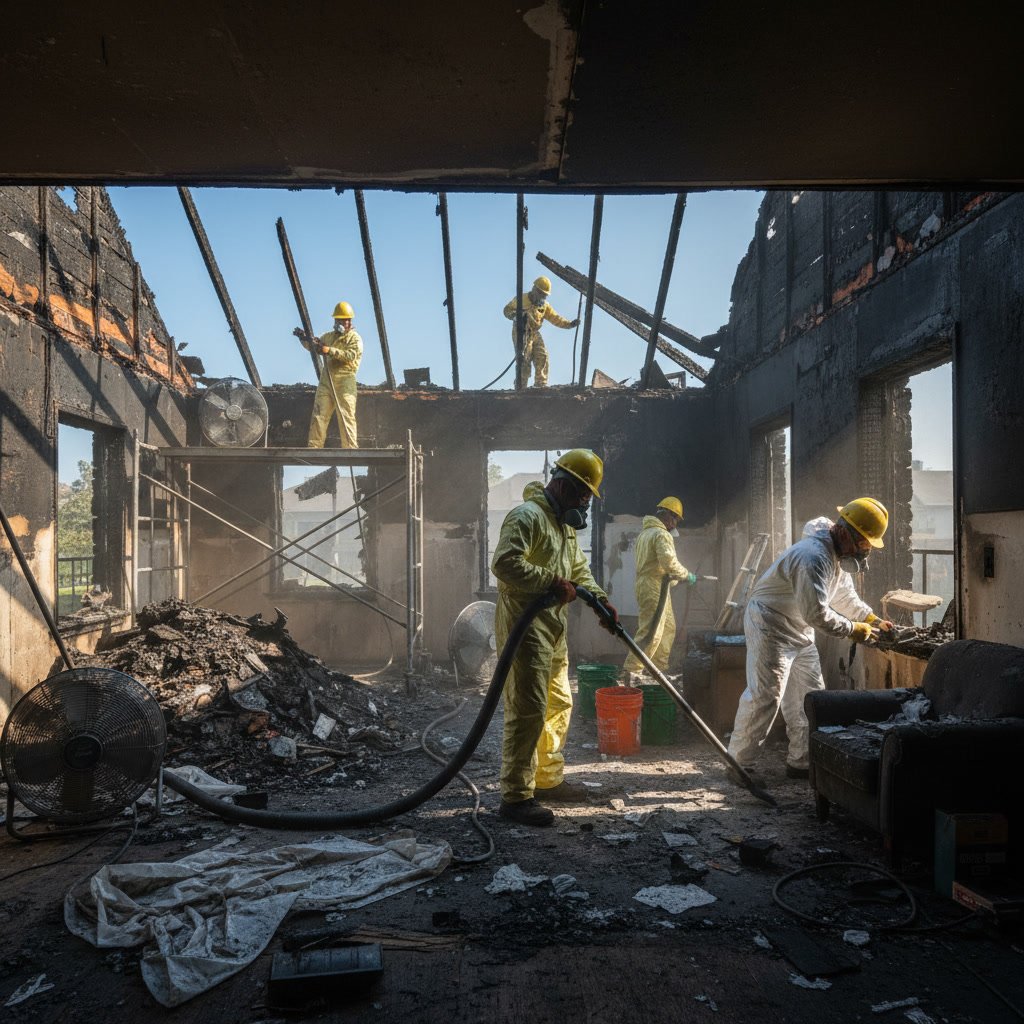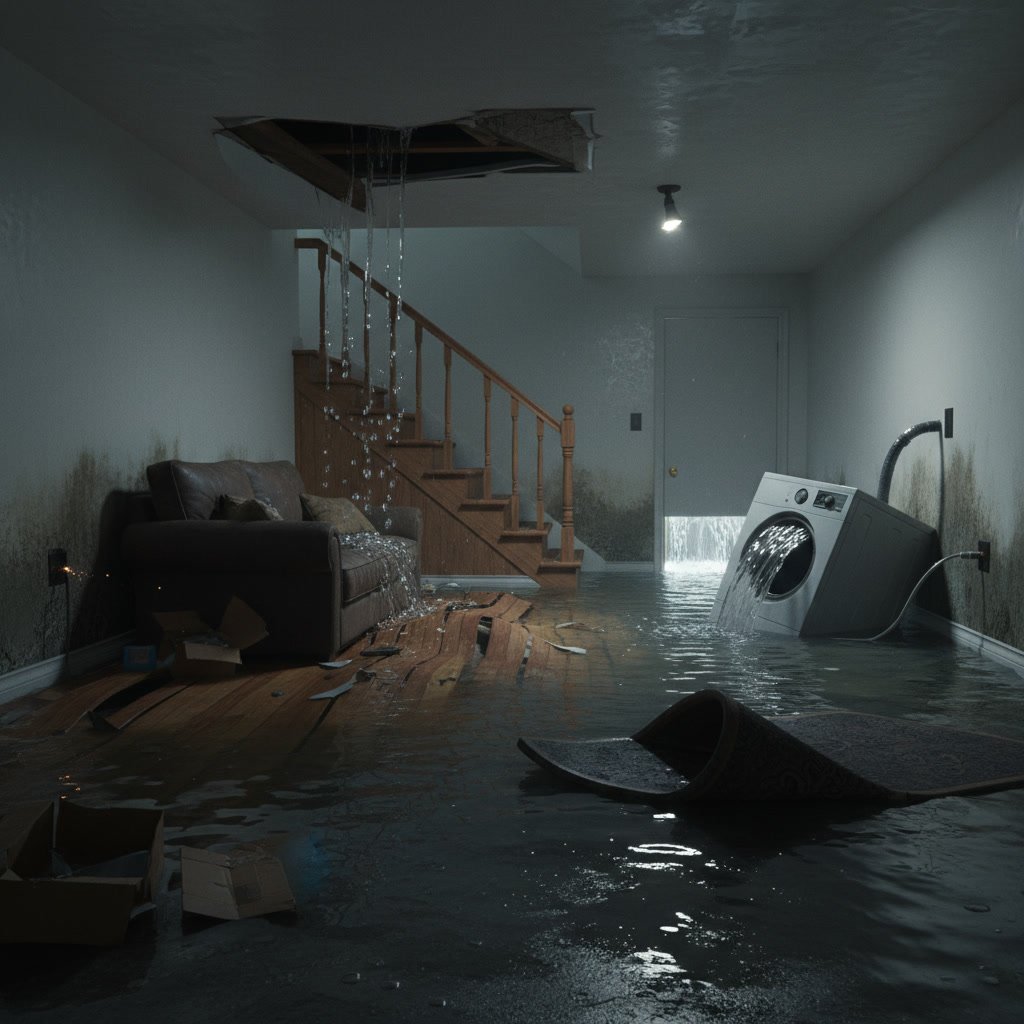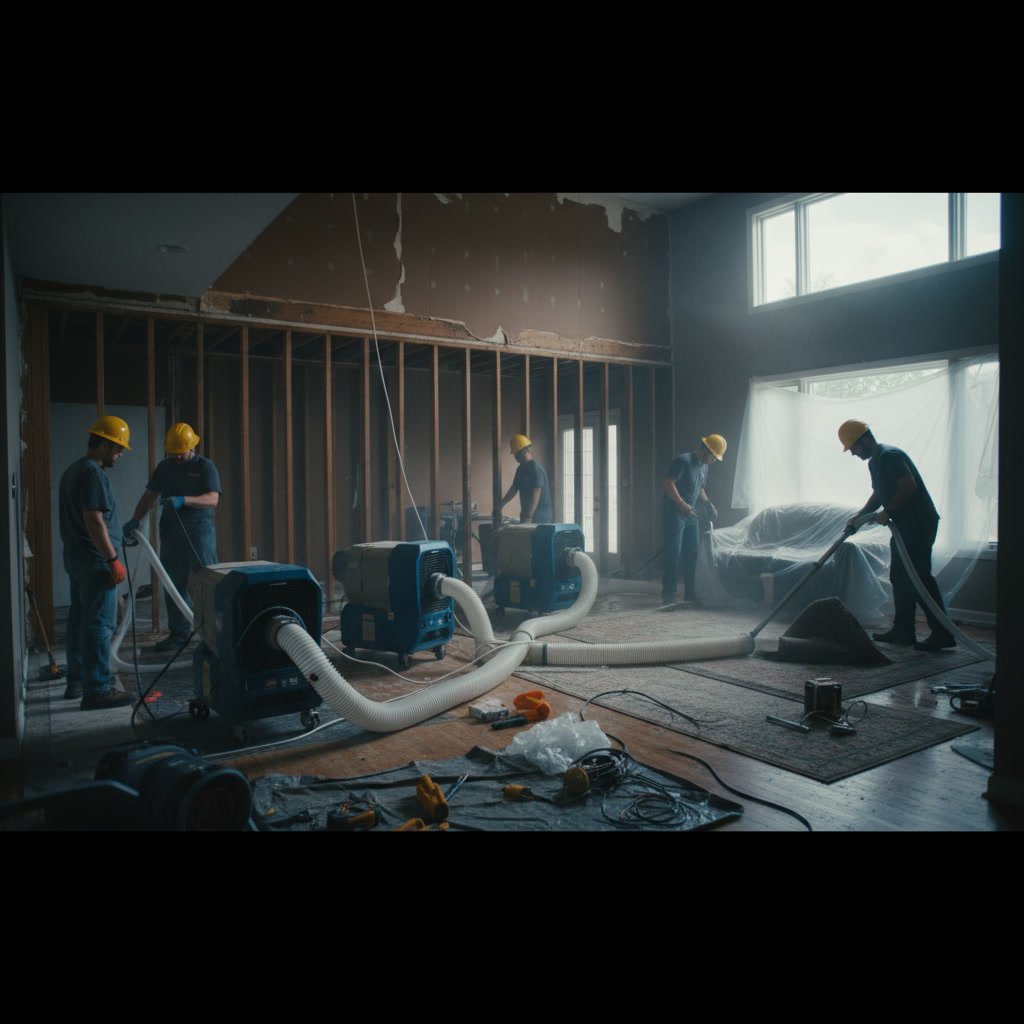
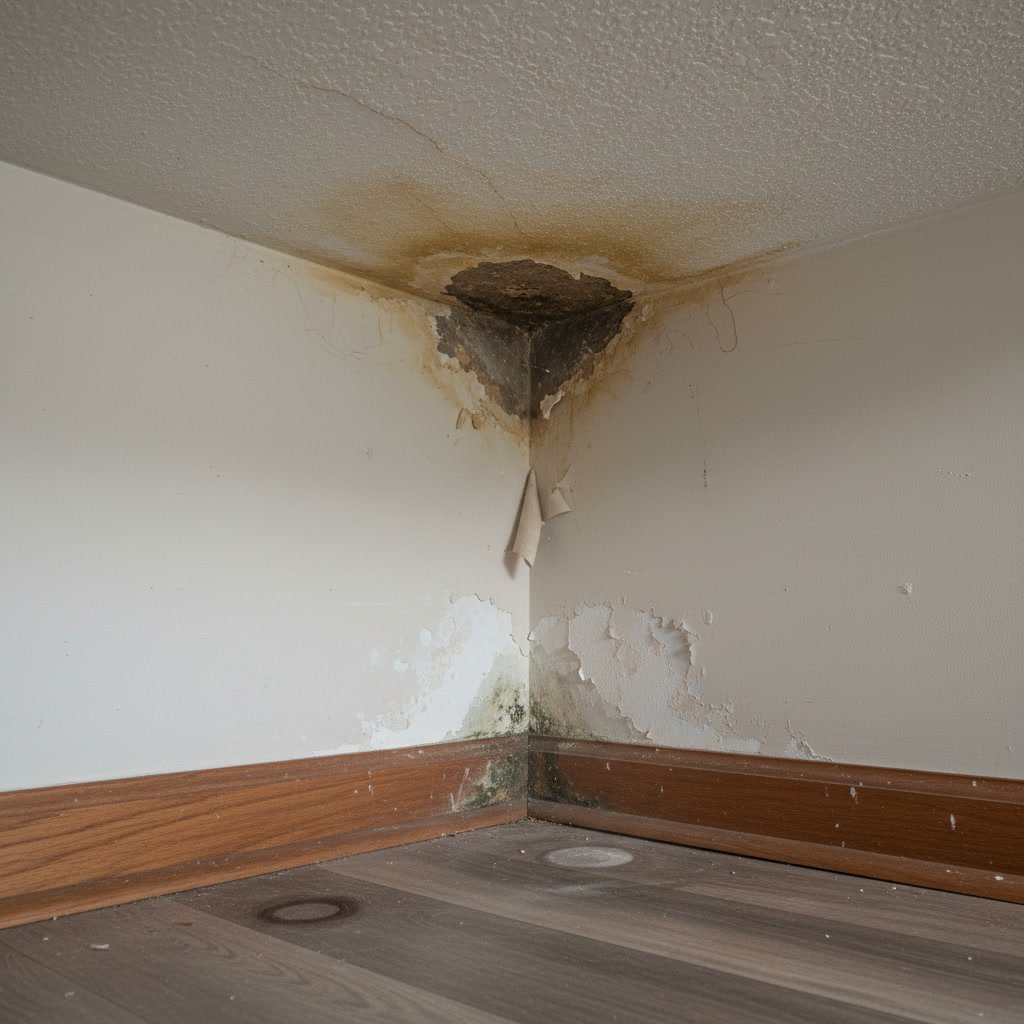
Water damage in walls and ceilings doesn’t always announce itself with a dramatic flood or visible leak. Most homeowners overlook subtle indicators that moisture has infiltrated their home’s structure until the problem becomes severe. Recognizing early signs of water damage can save you thousands of dollars in repairs and protect your family’s health from mold exposure and structural hazards.
Why Water Damage Goes Unnoticed Until It’s Too Late
Most property damage develops slowly over weeks or months. A small pipe leak inside a wall cavity releases just enough moisture to dampen insulation and wood framing without creating visible puddles. Roof leaks often travel along rafters and beams before emerging at a ceiling surface far from the actual entry point. By the time you notice a brown stain or bubbling paint, the hidden damage behind that surface has already progressed significantly.
Insurance adjusters report that hidden moisture damage accounts for 40 percent of homeowner claims in the Mid-Atlantic region. The problem compounds when homeowners mistake early warning signs for minor cosmetic issues rather than structural threats requiring immediate attention.
Subtle Color Changes That Signal Hidden Moisture
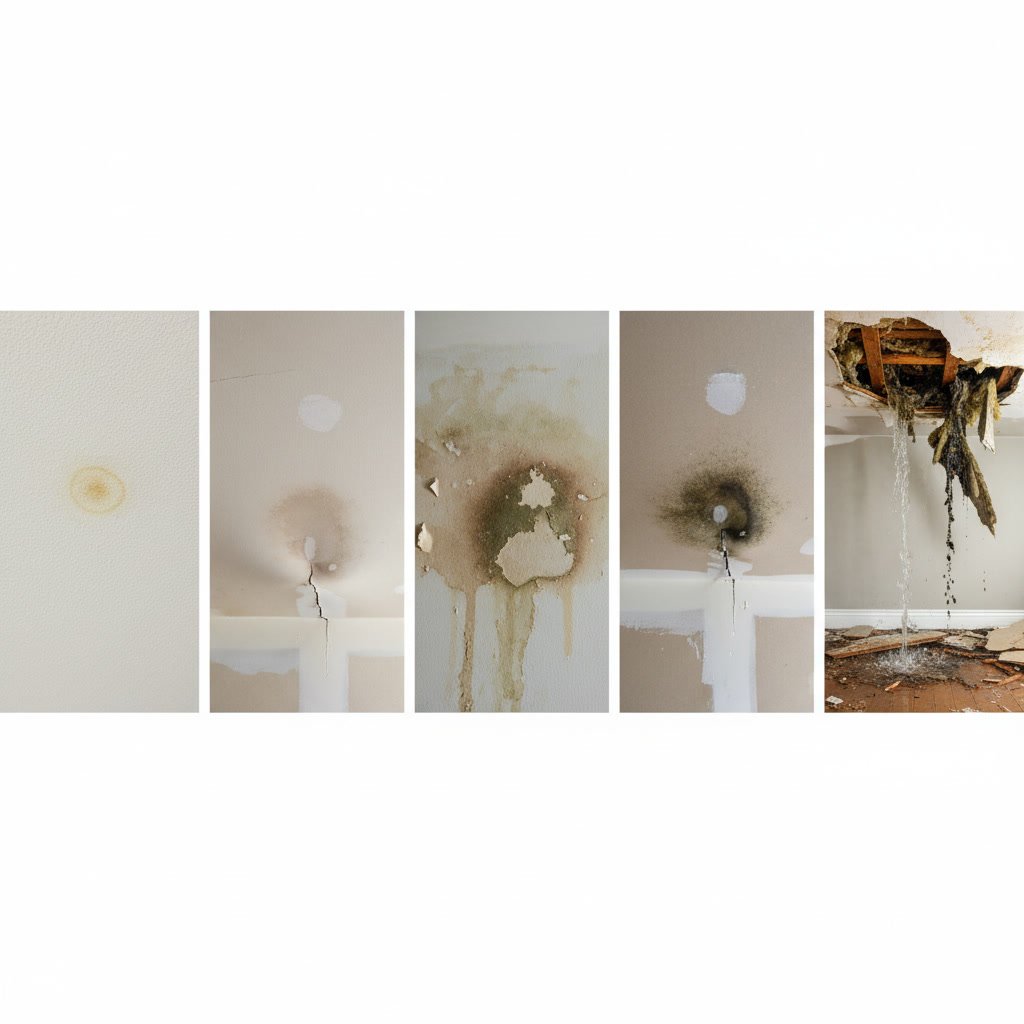
Paint and drywall change appearance when exposed to moisture, but the shifts can be so gradual you adapt to them without conscious awareness. Look for faint yellow or brown discoloration on ceilings, particularly near corners where two planes meet. These stains often appear as irregular rings that expand slowly outward from a central point.
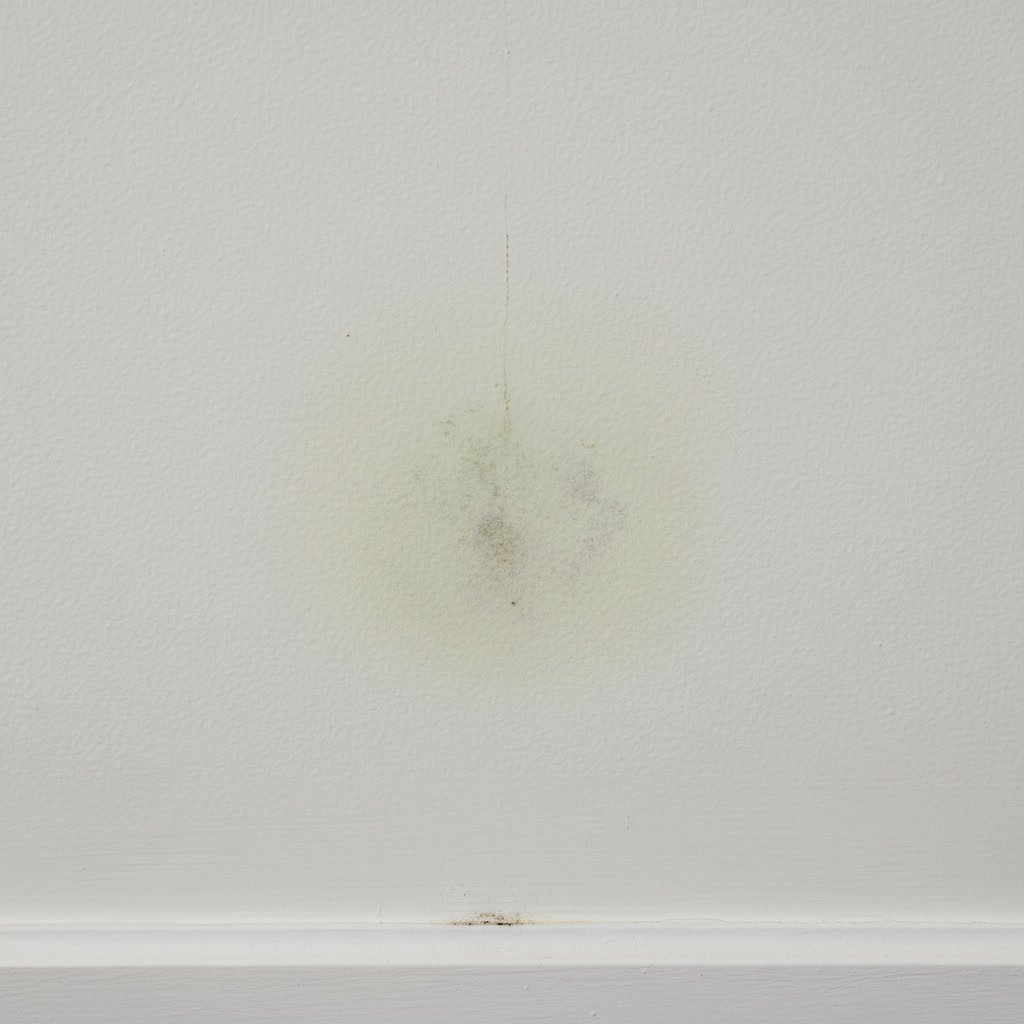
Walls may develop lighter patches where paint has begun to separate from the surface underneath. White or light gray walls sometimes take on a dingy appearance in specific sections, indicating moisture is wicking through the material. Fresh paint that yellows within months of application often covers a moisture problem rather than solving it.
Texture Irregularities You Can Feel Before You See
Run your hand along wall surfaces in bathrooms, kitchens, and exterior walls. Healthy drywall feels smooth and firm. Moisture-damaged sections feel slightly soft or spongy when you press gently. You might notice the surface gives more than surrounding areas, or that pushing on it creates a subtle crackling sound as damaged material compresses.
Ceilings with hidden water damage sometimes develop barely visible bulges or sags. Stand in different positions and look across the ceiling plane at an angle rather than straight up. This technique reveals irregularities invisible from directly below. Any downward curve or bulge indicates accumulated moisture has weakened the structure.
Peeling and Bubbling That Starts Small
Paint failure begins at the microscopic level when moisture breaks the bond between coating and substrate. Early signs include tiny bubbles smaller than a pencil eraser, often clustered in groups. Wallpaper edges may lift slightly or develop wrinkles that weren’t present after installation. Caulk lines around tubs and showers that pull away from surfaces suggest movement caused by moisture expansion in hidden cavities.
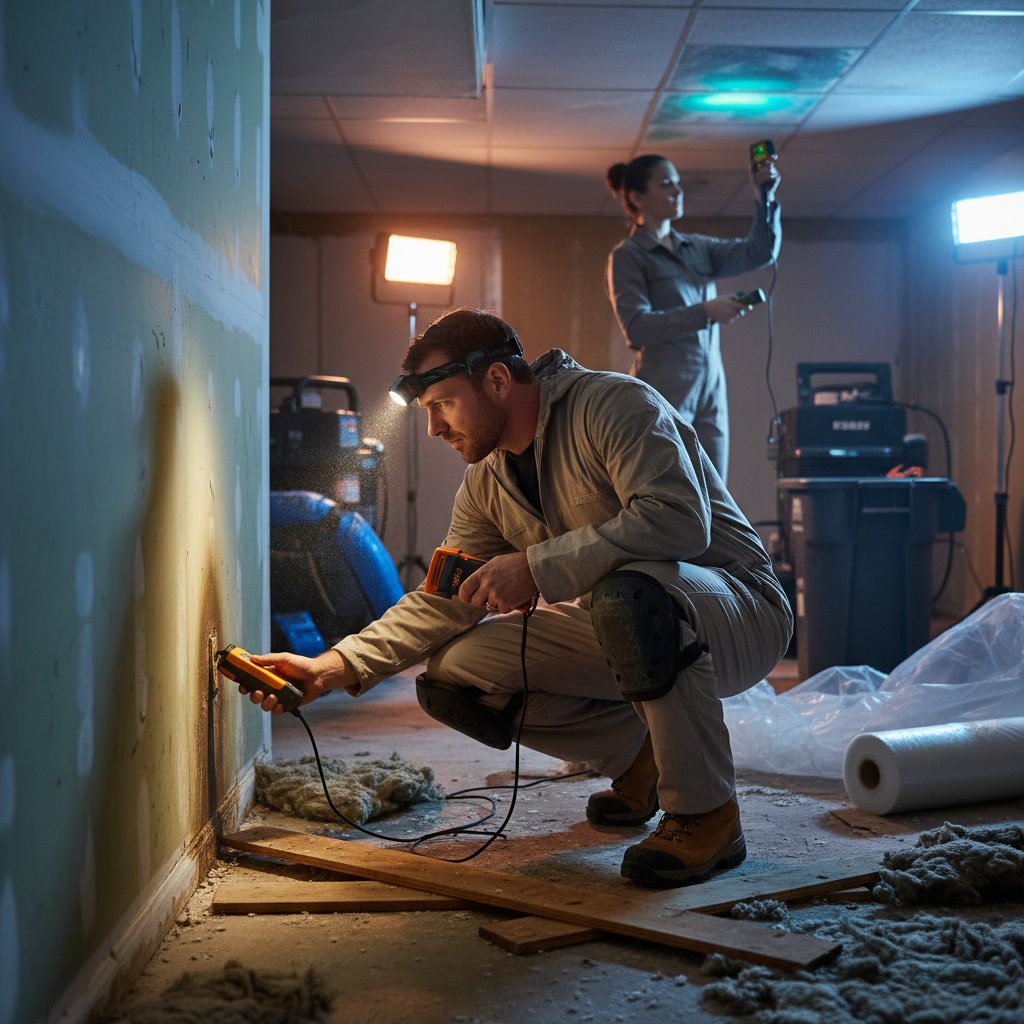
Professional water damage restoration teams use moisture meters to measure the water content in materials behind these surface failures. Readings above 16 percent in wood or above 1 percent in drywall indicate active moisture problems requiring immediate intervention.
Musty Odors That Linger in Specific Rooms
Your nose detects mold and mildew before your eyes can see growth. A persistent musty smell in one room or along one wall signals hidden moisture supporting microbial activity. The odor intensifies when you close the room for several hours, then open the door. Humid days make the smell more noticeable as ambient moisture reactivates dormant spores.
Basements and first-floor rooms in older homes commonly develop these odors when foundation cracks allow groundwater seepage. Upper-floor bathrooms may smell musty if shower pan leaks have saturated the subfloor and ceiling cavity below. Closets built against exterior walls trap moisture and odors that indicate condensation or leak issues inside the wall assembly.
Five Physical Signs Ranked by Urgency
Understanding which indicators demand immediate action helps you prioritize inspection and repair efforts:
- Active dripping or visible water: Requires emergency response within hours to prevent catastrophic damage and mold colonization.
- Soft or spongy surfaces: Indicates structural compromise that could lead to collapse of drywall or ceiling sections.
- Expanding stains: Shows ongoing moisture intrusion that will continue damaging materials until the source is addressed.
- Peeling paint or bubbling texture: Suggests moisture has already compromised surface integrity and is moving deeper into wall cavities.
- Musty odors without visible cause: Points to hidden mold growth that poses health risks and indicates sustained moisture presence.
Properties throughout Montgomery County experience these issues with increasing frequency as building systems age and weather patterns shift.
Temperature Differences That Reveal Hidden Problems in Philadelphia Homes
Wet building materials feel cooler than dry surfaces because moisture conducts heat away from your hand. Touch various sections of a suspected wall with your palm. A noticeably cooler spot surrounded by normal-temperature areas often indicates moisture concentration. This technique works best on interior walls where both sides should maintain similar temperatures.
Thermal imaging cameras reveal these temperature differentials with precision, showing moisture patterns invisible to touch or sight. Restoration professionals use this technology during inspections to map the full extent of damage before beginning repairs. The investment in proper assessment prevents incomplete repairs that leave hidden moisture to cause future problems.
Warping and Structural Shifts
Wood trim, baseboards, and door frames swell when exposed to moisture. Doors that suddenly stick in their frames or floors that develop soft spots near walls indicate moisture has reached structural components. Crown molding that pulls away from ceiling surfaces or develops gaps at corner joints shows that dimensional changes from moisture have disrupted the original installation.
Hardwood floors cupping or buckling near exterior walls often traces back to moisture intrusion through the foundation or around window assemblies. Laminate floors that lift at seams or develop a bouncy feel over time have sustained water damage to the underlayment or subfloor. These structural changes never resolve on their own and always worsen without intervention.
Mold Growth Patterns Most Homeowners Overlook
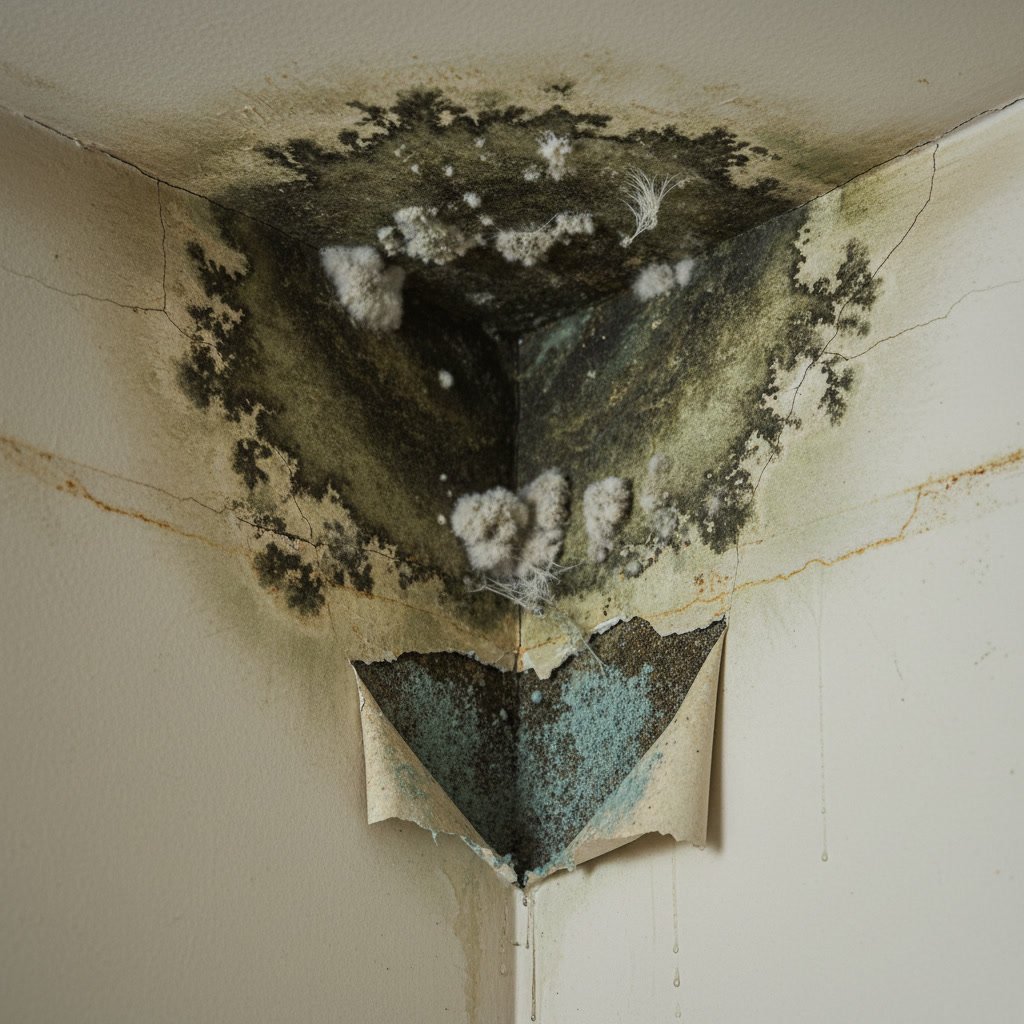
Visible mold growth on surfaces represents only a fraction of the total colony. Mold establishes itself in hidden cavities long before appearing on finished surfaces. Look behind furniture placed against exterior walls, inside closets with poor air circulation, and along the bottom edges of baseboards. Small black or green spots in grout lines or caulk joints indicate moisture sufficient to support growth.
Ceiling corners where exterior walls meet often develop mold from condensation that forms when warm interior air contacts cold exterior surfaces. This pattern intensifies during winter months and in rooms with poor ventilation. Professional leak detection services help identify whether mold stems from condensation or hidden plumbing failures.
Window and Door Frame Vulnerabilities
Water intrusion around windows and doors accounts for a significant portion of hidden wall damage. Inspect the interior trim around these openings for paint failure, soft spots, or gaps that have opened between trim and wall. Run your finger along the bottom edge of windowsills to check for dampness or soft wood that compresses under light pressure.
Exterior caulk that has cracked or shrunk away from siding allows water to penetrate the wall assembly during rain events. The moisture travels down through insulation cavities and can emerge at interior surfaces far below the entry point. Homes in regions with significant storm damage face increased risk from wind-driven rain that forces water through compromised seals.
When to Move from Inspection to Professional Assessment
Discovering one or two minor indicators might reflect normal settling or seasonal humidity fluctuations. Multiple signs appearing in the same area or progressing over several weeks demand professional evaluation. React Restoration LLC combines advanced moisture detection equipment with hands-on experience to assess damage accurately and develop appropriate remediation plans.
The cost difference between early intervention and delayed response can reach tens of thousands of dollars. Water that reaches structural framing, insulation, and electrical systems requires extensive remediation including restoration reconstruction that goes far beyond simple drying and repainting. Understanding restoration costs in your area helps you appreciate the value of early detection.
Protecting Your Home Through Awareness and Action
Hidden moisture damage progresses silently but leaves clear evidence for homeowners who know what to look for. Regular inspection of walls, ceilings, and the areas around plumbing fixtures and exterior penetrations gives you the best chance of catching problems early. Pay special attention after severe weather events or when you notice unexplained increases in water bills that might indicate hidden leaks.
React Restoration LLC provides comprehensive moisture assessments and certified restoration services throughout Philadelphia and surrounding communities. If you’ve noticed any warning signs described here or want peace of mind about your property’s condition, professional evaluation protects your investment and your family’s safety. Contact our team at +16108583469 for emergency response or to schedule a thorough inspection of your property.