Water intrusion follows a predictable timeline of destruction. Within the first 24 hours, porous materials absorb moisture, structural components begin to warp, and bacteria start multiplying in standing water. Recognizing emergency water extraction signs and acting immediately can mean the difference between a straightforward cleanup and extensive reconstruction. Professional extraction within the first few hours stops secondary damage before it begins, preserves materials that would otherwise require replacement, and prevents health hazards from taking root in your property.
How Quickly Water Damage Progresses
Water does not wait. In the first hour after intrusion, moisture spreads across flooring and begins wicking up walls. By hour four, wooden furniture legs and baseboards start swelling. By hour 12, drywall loses structural integrity and metal surfaces show the first signs of tarnish. Once you reach the 24-hour mark, mold spores activate and begin colonizing damp surfaces, especially in spaces with poor ventilation.
This rapid progression explains why delayed response leads to exponentially higher costs. Materials that could have been dried and saved in the first six hours often require complete removal and replacement after 48 hours of exposure. The timeline is even shorter during warm months when elevated temperatures accelerate both evaporation and microbial growth.
The Real Cost of Delayed Extraction
Waiting even one day to remove standing water multiplies your restoration costs in three distinct ways. First, secondary damage to materials increases the scope of work required. Second, mold remediation becomes necessary where prompt drying would have prevented growth entirely. Third, temporary displacement costs add up when extended drying times force you out of your property longer than necessary.
Insurance adjusters recognize this timeline as well. Many policies include language about mitigation responsibilities, and documented delays in addressing water intrusion can complicate the insurance claims process. Immediate action demonstrates responsible property stewardship and supports full coverage of legitimate damages.
Visible Standing Water Anywhere Indoors
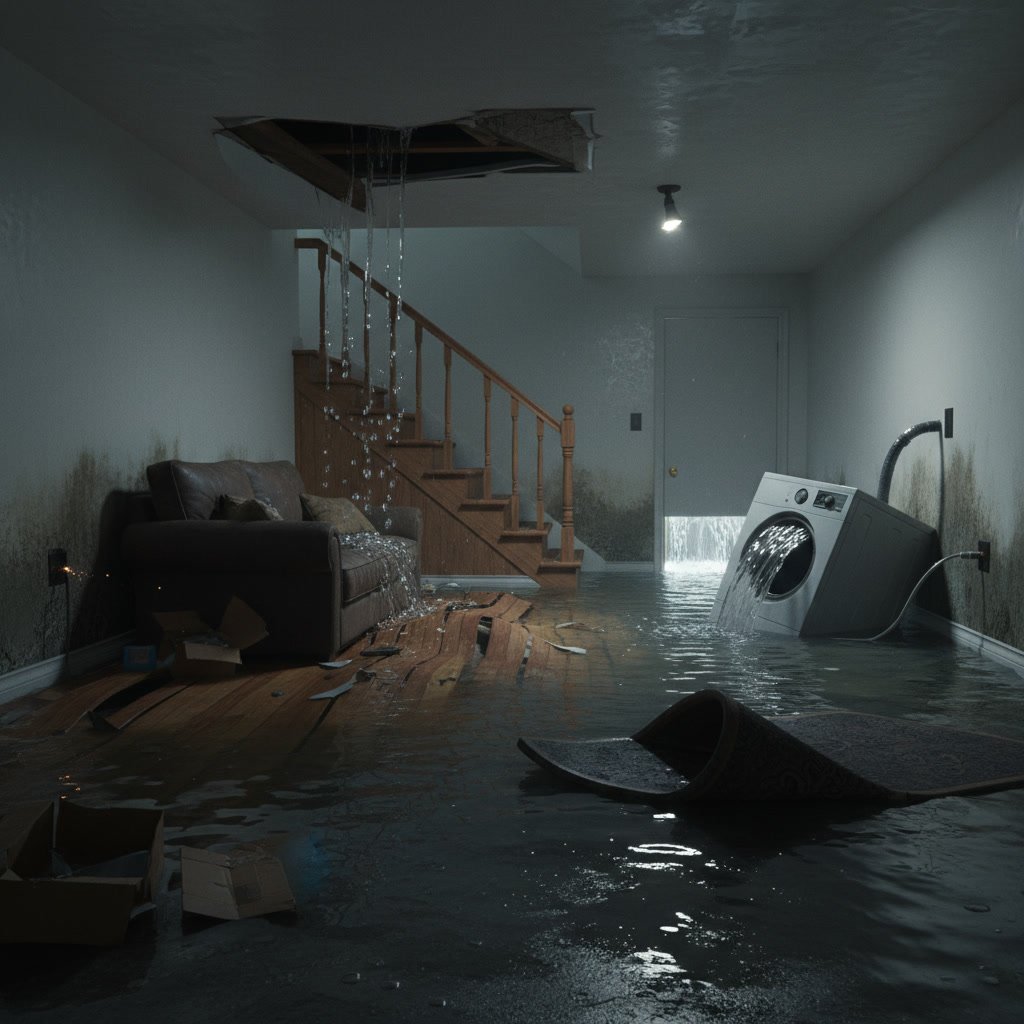
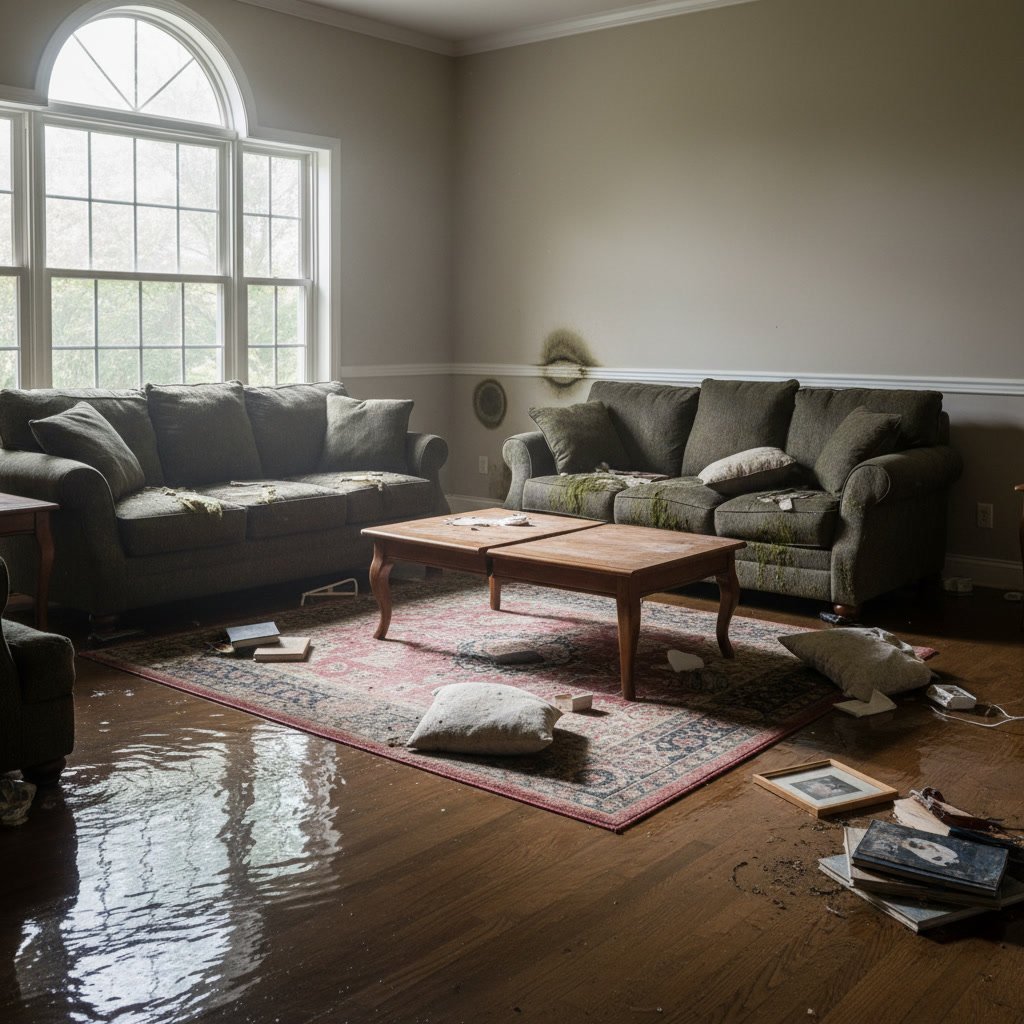
Any measurable depth of standing water inside your property requires immediate professional extraction. Even a quarter inch of water across a room represents hundreds of gallons that have already begun soaking into subflooring, wall cavities, and structural members. The visible surface water is only part of the problem.
Attempting to remove significant water volumes with household wet-dry vacuums or towels wastes critical hours while moisture continues penetrating deeper into building materials. Professional water extraction services use truck-mounted extraction units that remove water 100 times faster than consumer equipment and reach moisture trapped in carpet padding and subfloors that household tools cannot access.
Ceilings or Walls Actively Dripping
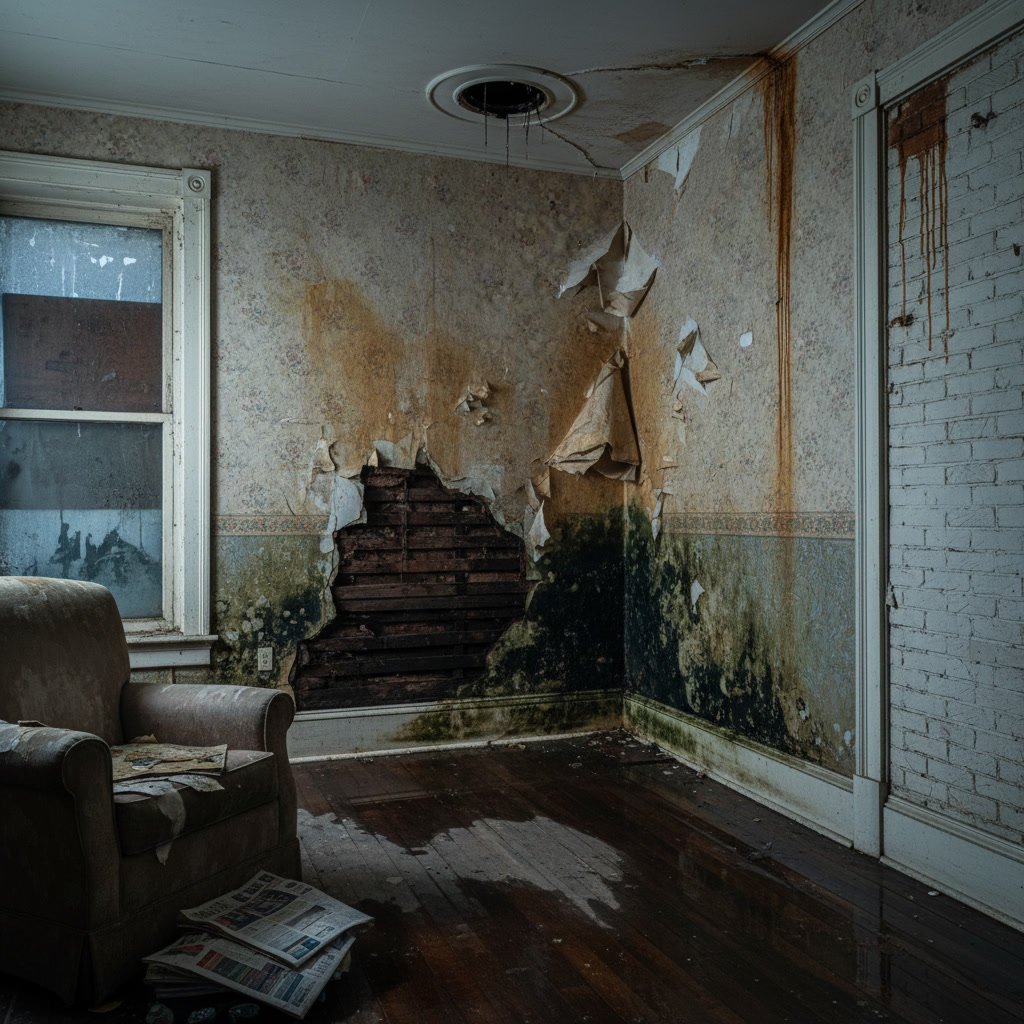
Water streaming or dripping from ceilings or running down interior walls signals active intrusion that will not stop on its own. The source could be a burst pipe in the floor above, roof damage from recent storms, or a failed appliance connection. Whatever the cause, the volume of water visible on surfaces represents a much larger volume already saturating hidden spaces.
Ceiling materials typically show visible dripping only after absorbing several times their weight in water. By the time you see active drips, the drywall or plaster has already lost most of its structural strength. Delayed extraction in these situations often results in ceiling collapse, especially in older properties where plaster and lath construction becomes extremely heavy when saturated.
Sudden Carpet Saturation Across Large Areas
When carpet suddenly becomes saturated across multiple rooms or an entire floor, the water source is substantial and ongoing. This pattern typically indicates supply line failures, water heater ruptures, or flooding from external sources. The padding underneath carpet holds several times more water than the visible surface, creating a hidden reservoir that continues damaging subfloors for days if not extracted promptly.
Carpet and padding retain moisture longer than nearly any other building material. Even after surface water is removed, saturated padding remains wet for weeks without professional extraction and drying equipment. This extended moisture exposure leads to subfloor warping, delamination, and creates ideal conditions for mold growth in the confined space between padding and subfloor.
Water Damage Signs in Philadelphia Properties
Properties throughout Philadelphia face specific water intrusion risks due to the region’s climate patterns and building stock. Intense summer thunderstorms can overwhelm older drainage systems in minutes. Winter freeze-thaw cycles stress aging plumbing in historic properties. Spring flooding affects low-lying neighborhoods near waterways. Row home construction means a plumbing failure in one unit can rapidly affect adjacent properties.
React Restoration LLC responds to these regional patterns with equipment staged for rapid deployment across the service area. Understanding local building construction methods, from the stone foundations in older neighborhoods to the slab-on-grade construction in newer developments, allows for targeted extraction strategies that address the specific vulnerabilities of each property type.
Six Critical Warning Signs That Demand Immediate Action
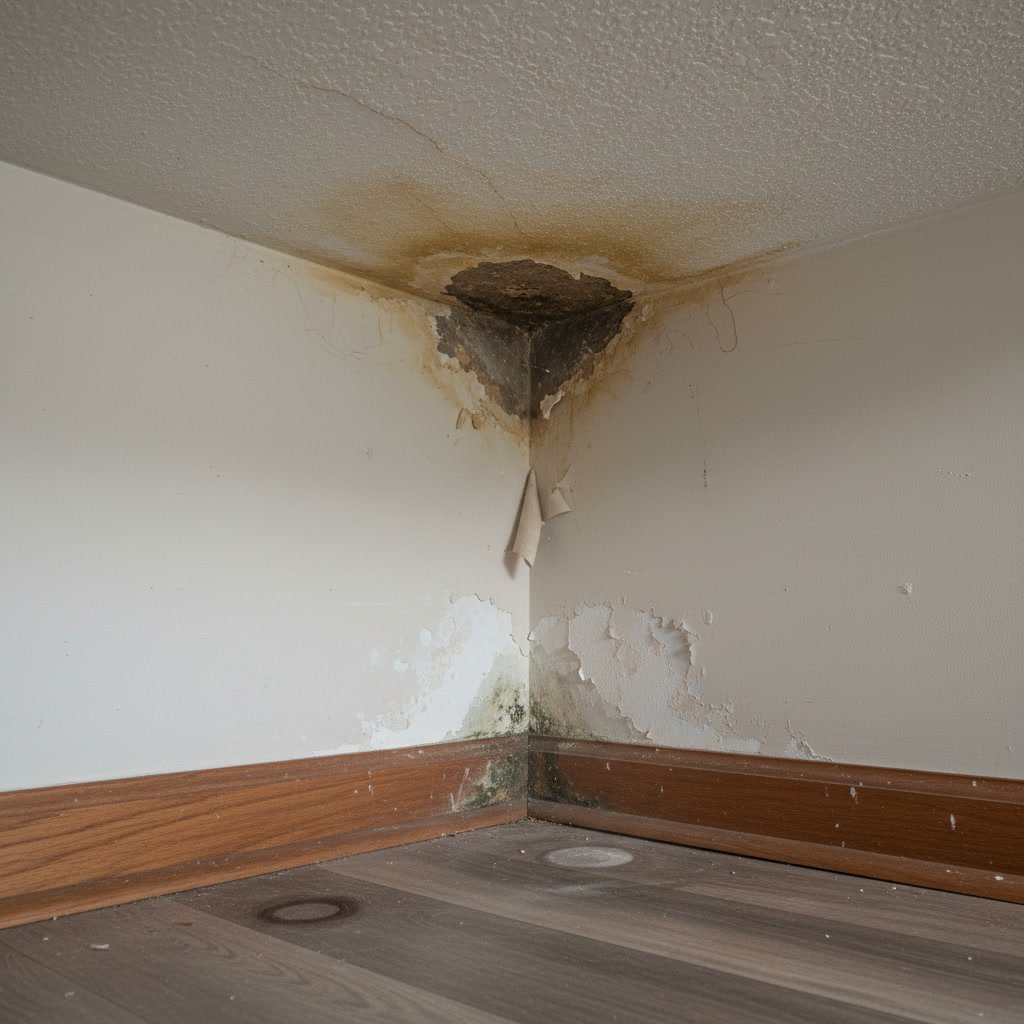
Beyond obvious standing water, specific indicators signal that extraction must happen within hours. First, rapidly spreading stains on ceilings or walls indicate ongoing active intrusion that will worsen every minute. Second, a sudden musty odor where none existed before signals that moisture has reached organic materials and microbial activity has begun. Third, floors that feel spongy or bounce when walked on show that water has compromised structural decking.
Fourth, visible condensation forming on windows or mirrors in rooms not typically humid indicates elevated moisture throughout the space. Fifth, wet insulation visible in attics or crawl spaces after storms means your thermal barrier is now a water-saturated mass pulling moisture into framing members. Sixth, electrical outlets or fixtures showing moisture or causing breakers to trip create immediate safety hazards alongside the water damage itself.
Each of these signs represents damage already in progress. The hidden signs of water damage often prove more destructive than visible surface water because they continue unnoticed until structural problems develop.
When Water Comes From Contaminated Sources
Not all water intrusion carries the same health risks. Clean water from supply lines poses primarily structural concerns. Gray water from appliances like washing machines or dishwashers contains detergents and some contaminants. Black water from sewage backups or flooding carries dangerous pathogens requiring specialized handling protocols.
Contaminated water demands even faster response times. Bacterial counts in sewage-contaminated water double approximately every 20 minutes at room temperature. Materials exposed to black water typically cannot be salvaged and require removal, but rapid extraction still limits the spread of contamination to adjacent areas and reduces the scope of demolition required. Professional sewage cleanup includes antimicrobial treatments and follows strict protocols to protect both occupants and workers.
Temperature and Humidity Considerations
Environmental conditions dramatically affect how quickly water damage progresses. During summer months when indoor temperatures exceed 75 degrees and relative humidity runs high, mold can begin visible growth in as little as 24 hours. The same water intrusion in winter when heating systems keep humidity low might not show mold growth for 72 hours or more.
This temperature relationship creates a common misconception that winter water damage is less urgent. While mold growth may be slower, structural damage from freezing often accelerates in cold conditions. Water trapped in wall cavities can freeze overnight, expanding and cracking framing members. Professional extraction removes this moisture before freezing temperatures compound the damage.
What Happens During the First Hours of Professional Response
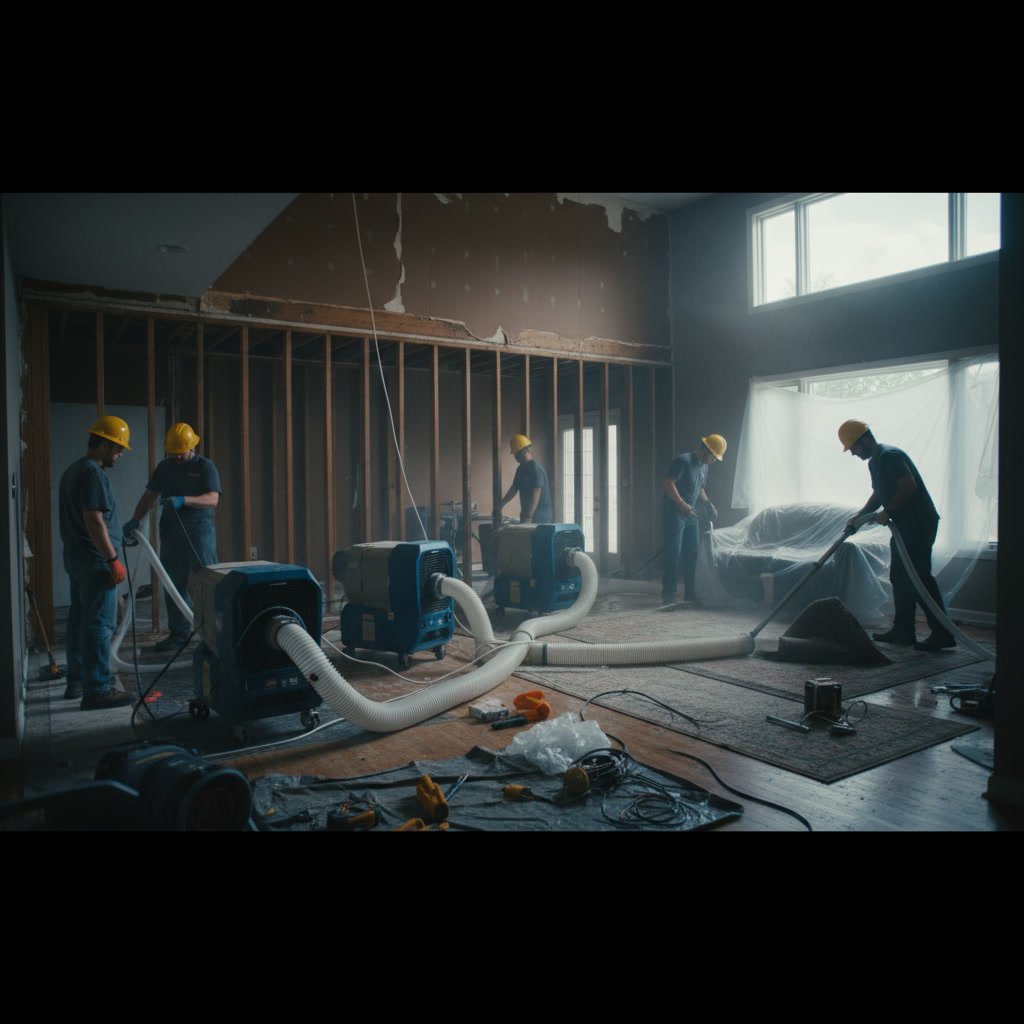
Professional emergency water extraction follows a specific sequence designed to stop damage progression as quickly as possible. Technicians first assess the water source and stop ongoing intrusion if possible. Next, they categorize the water type to determine appropriate safety protocols. High-volume extraction begins immediately using truck-mounted or portable extractors rated for hundreds of gallons per hour.
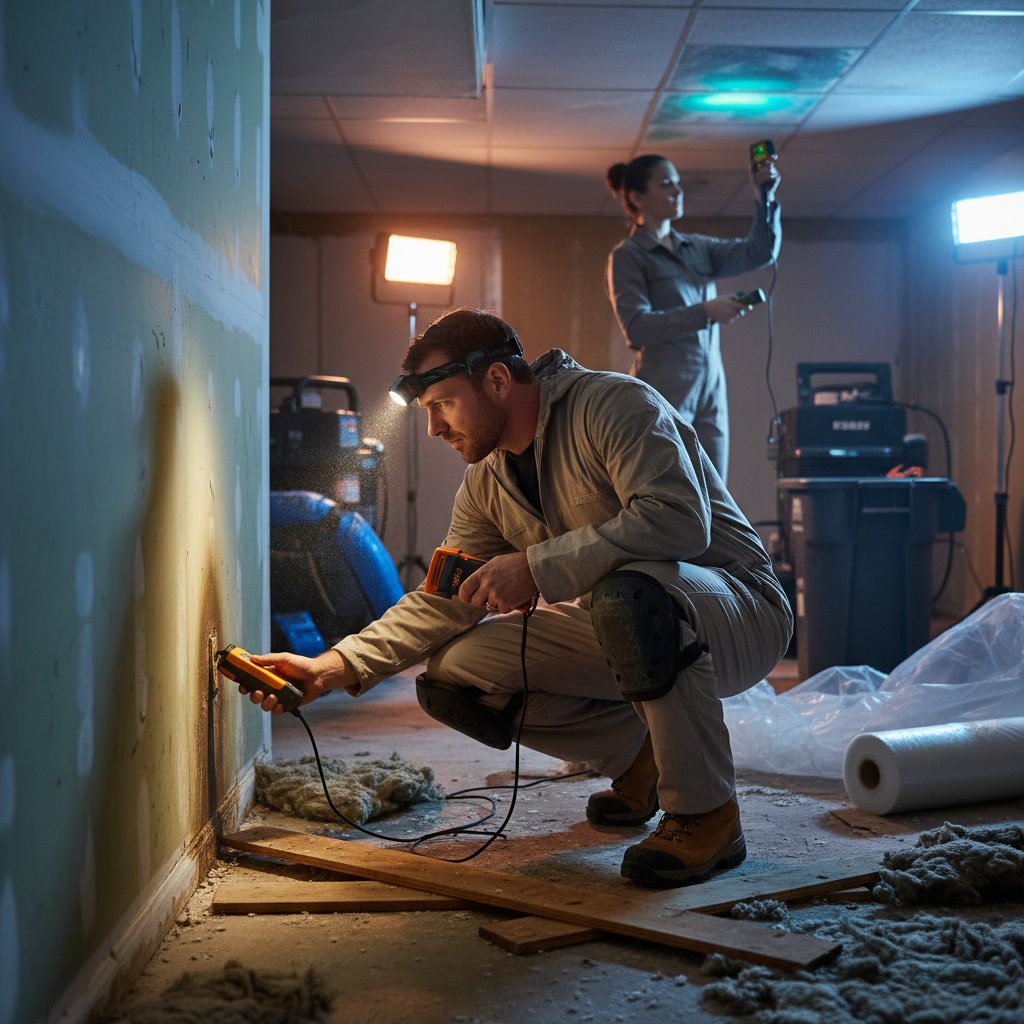
As extraction progresses, technicians document moisture levels in surrounding materials using thermal imaging and moisture meters. This mapping identifies hidden saturation that visual inspection would miss. Air movers and dehumidifiers deploy before extraction finishes, beginning the drying process immediately rather than waiting until all visible water is removed. This overlapping approach reduces total drying time and limits secondary damage. The complete professional water damage restoration process builds on this critical first response.
Equipment That Makes the Difference
The gap between DIY water removal and professional extraction comes down to equipment capacity and capability. Consumer-grade wet-dry vacuums typically extract two to six gallons per minute. Professional truck-mounted extractors remove 50 to 100 gallons per minute while applying enough suction force to pull water from carpet padding and subfloors without requiring material removal.
Equally important are the moisture detection tools professionals bring. Thermal imaging cameras locate water trapped behind walls or under flooring by identifying temperature differentials. Penetrating moisture meters measure water content deep in concrete, hardwood, and framing lumber. These tools allow targeted extraction and drying rather than the guesswork that leads homeowners to either under-dry materials that later develop mold or unnecessarily remove materials that could have been saved.
Protecting Your Property Starts With Immediate Action
The window for preventing permanent damage from water intrusion measures in hours, not days. Standing water, active dripping, sudden carpet saturation, and contaminated water sources all demand professional extraction immediately. The progression from clean water to structural damage to mold growth follows a predictable timeline that accelerates with every hour of delay.
React Restoration LLC maintains 24/7 emergency response capabilities throughout the service area specifically because water damage does not wait for business hours. The difference between a drying project and a reconstruction project often comes down to response time measured in single-digit hours. When you recognize the warning signs, immediate professional extraction protects both your property value and the health of everyone who enters the building. Contact our team at +16108583469 the moment you notice water where it does not belong.