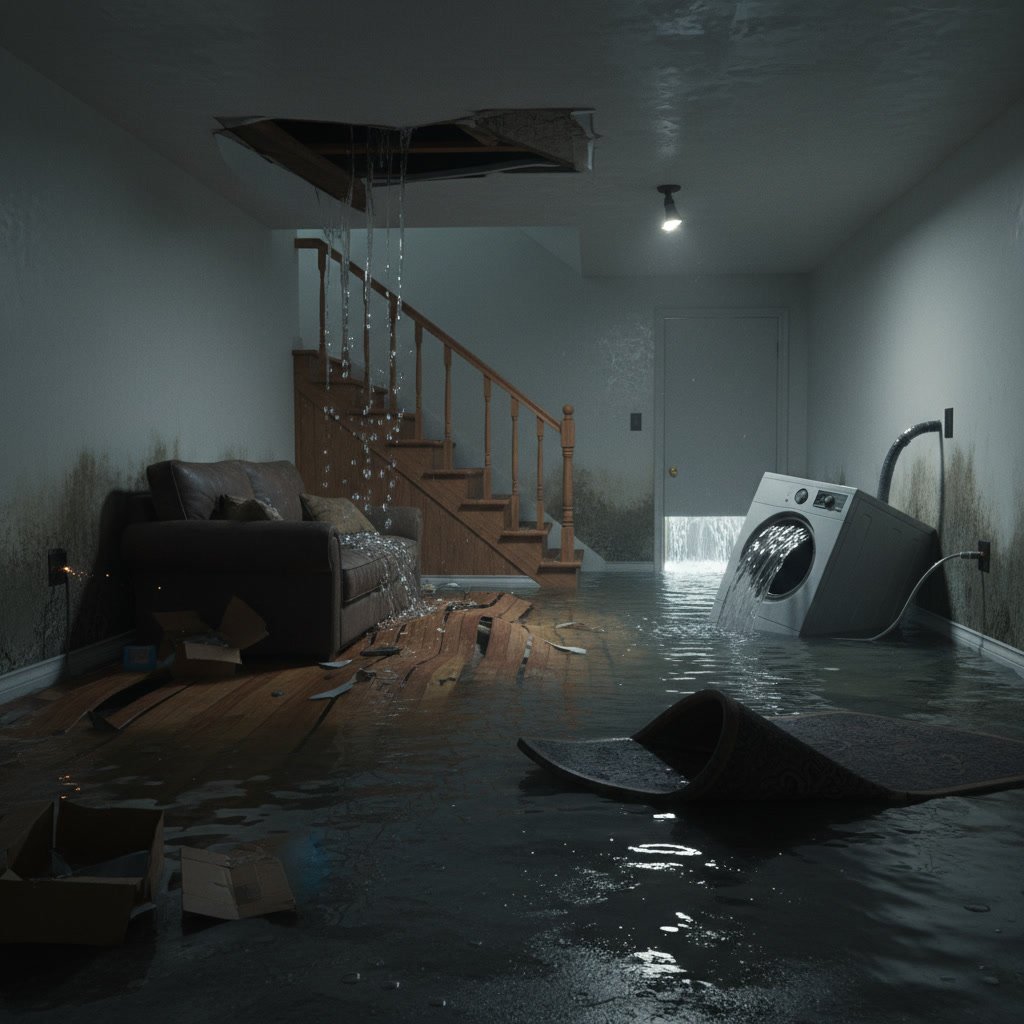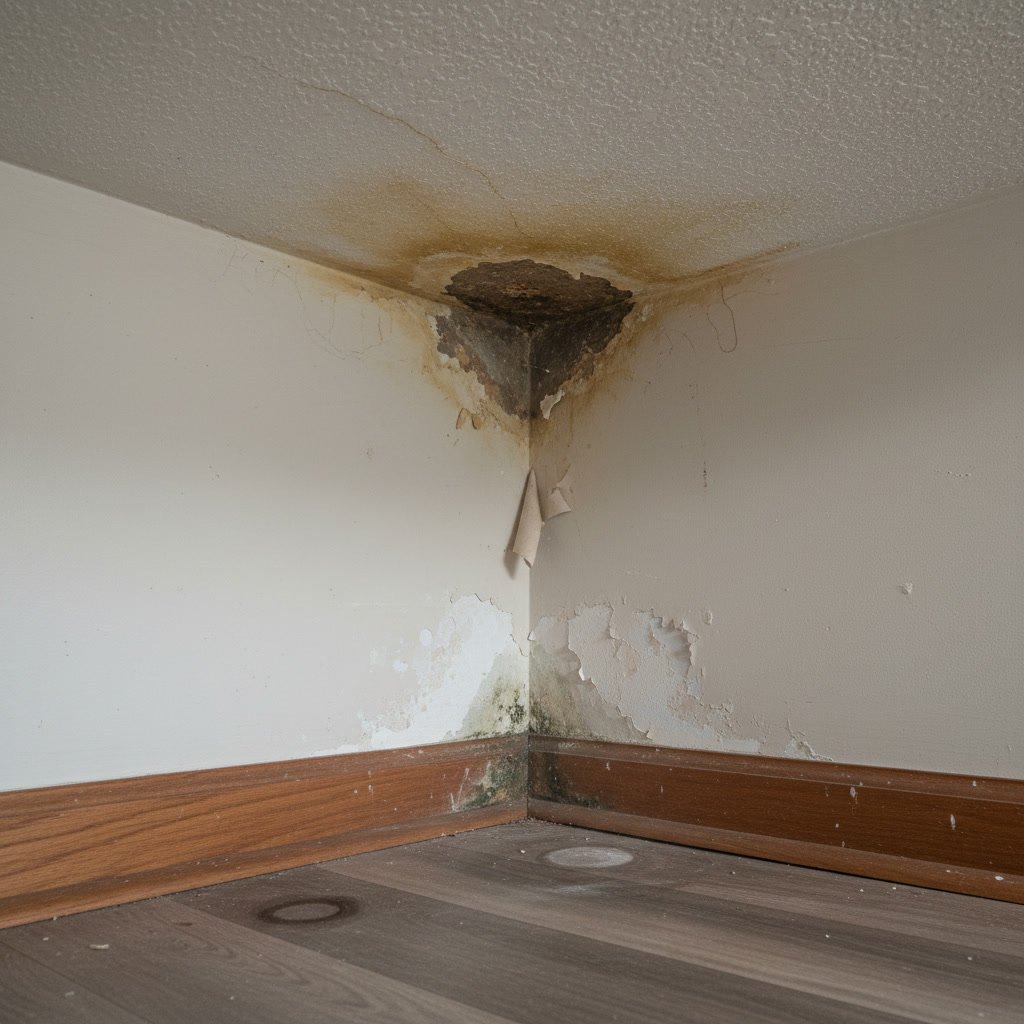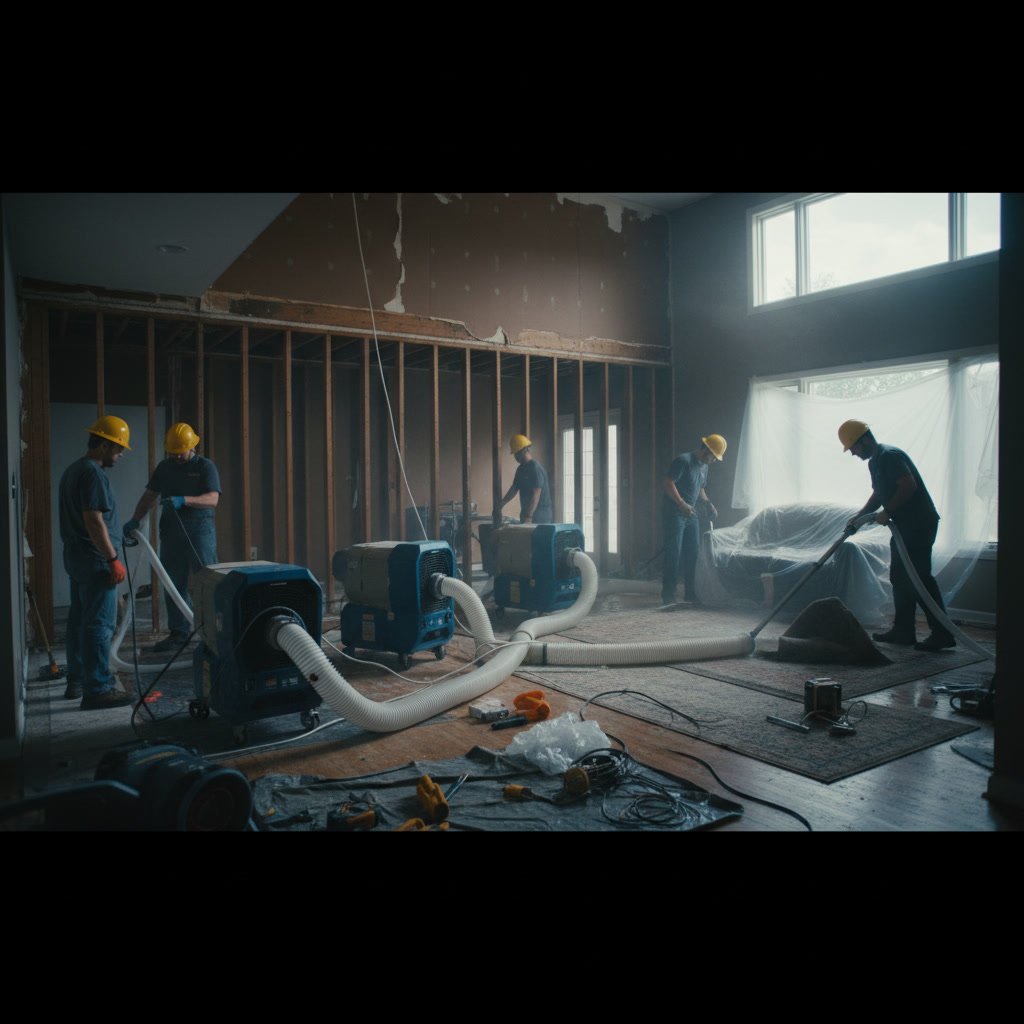
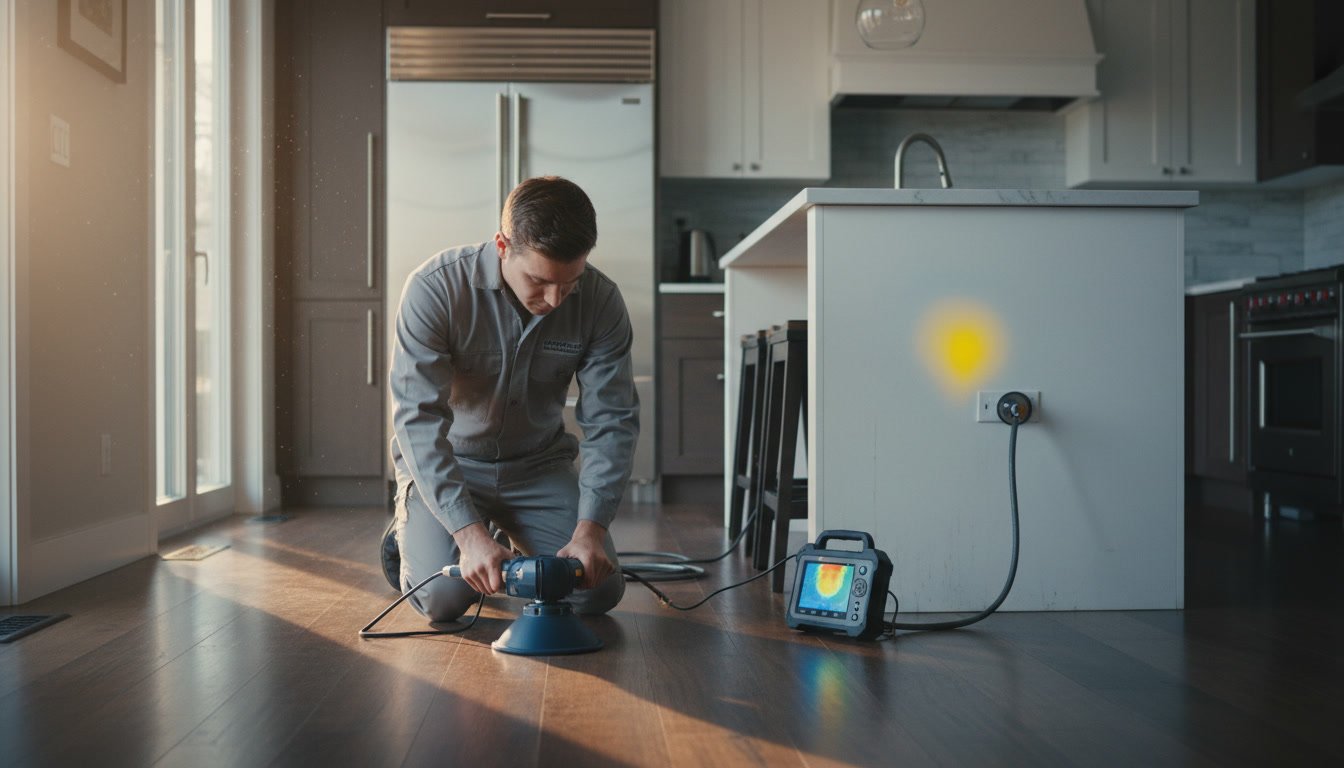
Professional leak detection services locate plumbing failures and hidden moisture sources before pipes burst or structural damage occurs. Advanced thermal imaging and acoustic equipment identify tiny leaks inside walls, beneath floors, and within slab foundations while they’re still manageable. Early intervention stops gradual water migration that weakens framing, promotes mold growth, and eventually leads to emergency repairs costing ten times more than proactive detection.
Why Small Leaks Become Expensive Problems Without Early Detection
A pinhole leak in a supply line releases just half a gallon per hour. That sounds minor until you calculate the damage over weeks. In 30 days, that slow drip deposits 360 gallons into your wall cavity, saturating insulation, rotting studs, and creating ideal conditions for mold colonies. By the time you notice a ceiling stain or buckled flooring, the hidden damage often exceeds several thousand dollars in repairs.
Most homeowners don’t realize their plumbing is failing until visible symptoms appear. Unfortunately, those symptoms show up long after structural components have absorbed water. Drywall doesn’t stain until it’s been wet for days. Wood doesn’t rot overnight. The gap between leak initiation and visible damage is where the real expense accumulates.
How Professional Equipment Finds Leaks Humans Cannot See
Thermal imaging cameras detect temperature differences as small as 0.1 degrees Fahrenheit. Water evaporating from a hidden leak creates a temperature signature that shows up clearly on infrared scans. Technicians sweep walls, ceilings, and floors to map moisture patterns without cutting into your property.
Acoustic leak detection uses sensitive microphones that amplify the sound of water escaping pressurized pipes. Different leak types produce distinct frequency signatures. A pinhole in copper sounds different than a crack in PVC. Trained specialists isolate these sounds even when the leak is buried three feet underground or concealed behind tile and concrete.
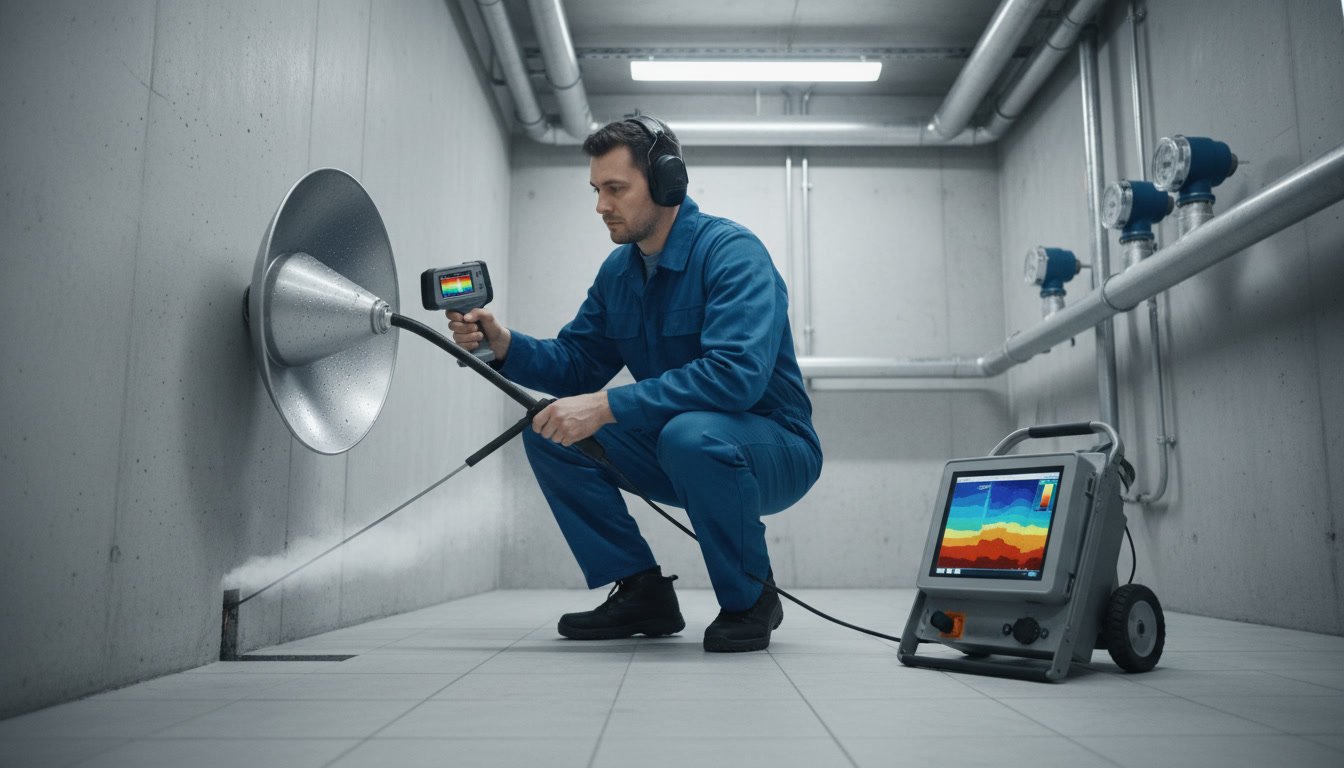
Moisture meters measure water content in building materials down to a tenth of a percentage point. Comparing readings across multiple areas reveals gradual saturation patterns that point directly to the source. Combined with thermal and acoustic data, these meters triangulate leak locations with surgical precision.
Common Leak Sources That Escape Routine Inspections
Slab leaks occur when pipes embedded in concrete foundations develop cracks or corrosion. You might notice warm spots on floors, unexplained water bills, or reduced pressure, but the actual break remains invisible. Without professional detection, property owners often tear up entire slabs searching for the source.
Supply line fittings behind appliances fail gradually as seals age. A refrigerator water line or dishwasher connection might weep for months, saturating cabinets and subfloors while you assume everything is fine. These leaks rarely announce themselves until cabinets collapse or floors become spongy.
Condensation drain lines for HVAC systems clog with algae and overflow into wall cavities. Because these lines carry condensate rather than pressurized water, leaks produce slow, steady moisture rather than dramatic flooding. The damage spreads silently through insulation and drywall until you discover black mold during an unrelated renovation.
The True Cost Comparison Between Detection and Delayed Response
Professional leak detection typically runs between $200 and $500 depending on property size and equipment required. That investment identifies problems while repair costs remain in the hundreds rather than thousands. Compare that to emergency water damage restoration, which averages $3,000 to $7,000 for moderate incidents involving drywall replacement, structural drying, and antimicrobial treatment.
When leaks continue undetected for months, secondary damage multiplies costs exponentially. Mold remediation adds $2,000 to $6,000. Structural repairs to rotted framing can exceed $10,000. Flooring replacement for hardwood or tile damaged by prolonged moisture often hits $5,000 or more. A $300 detection service that prevents these scenarios delivers a return measured in tens of thousands of dollars.
Warning Signs Your Property Needs Immediate Leak Detection in Philadelphia
Unexplained increases in water bills signal leaks somewhere in your system. If usage jumps 20% or more without corresponding changes in household activity, water is escaping. React Restoration LLC uses detection technology to pinpoint exactly where that water is going before it destroys building components.
Musty odors in specific rooms indicate moisture accumulation even when surfaces appear dry. Mold produces volatile organic compounds that smell earthy or stale. If ventilation and cleaning don’t eliminate the odor, hidden water is feeding microbial growth somewhere behind finished surfaces.
Water pressure fluctuations suggest leaks in supply lines. When pipes develop cracks, pressure drops as water diverts through the opening. You might notice weaker shower flow or toilets that take longer to refill. These symptoms warrant immediate investigation because pressure loss indicates active water escape.
Step-by-Step Process Professional Technicians Follow During Detection
Initial consultation involves reviewing your water bills, documenting symptoms, and identifying high-risk areas based on plumbing age and material. Technicians ask specific questions about recent pressure changes, unexplained moisture, or areas where floors feel warm.
Visual inspection covers all accessible plumbing fixtures, supply lines, drain connections, and appliance hookups. Specialists look for corrosion, mineral deposits, water stains, and other indicators of past or present leaks. This step establishes baseline conditions before deploying advanced equipment.
Thermal scanning maps temperature variations across walls, ceilings, and floors. Technicians document cold spots where evaporation is active and warm areas where hot water lines may be leaking. These scans create a visual record that guides further investigation.
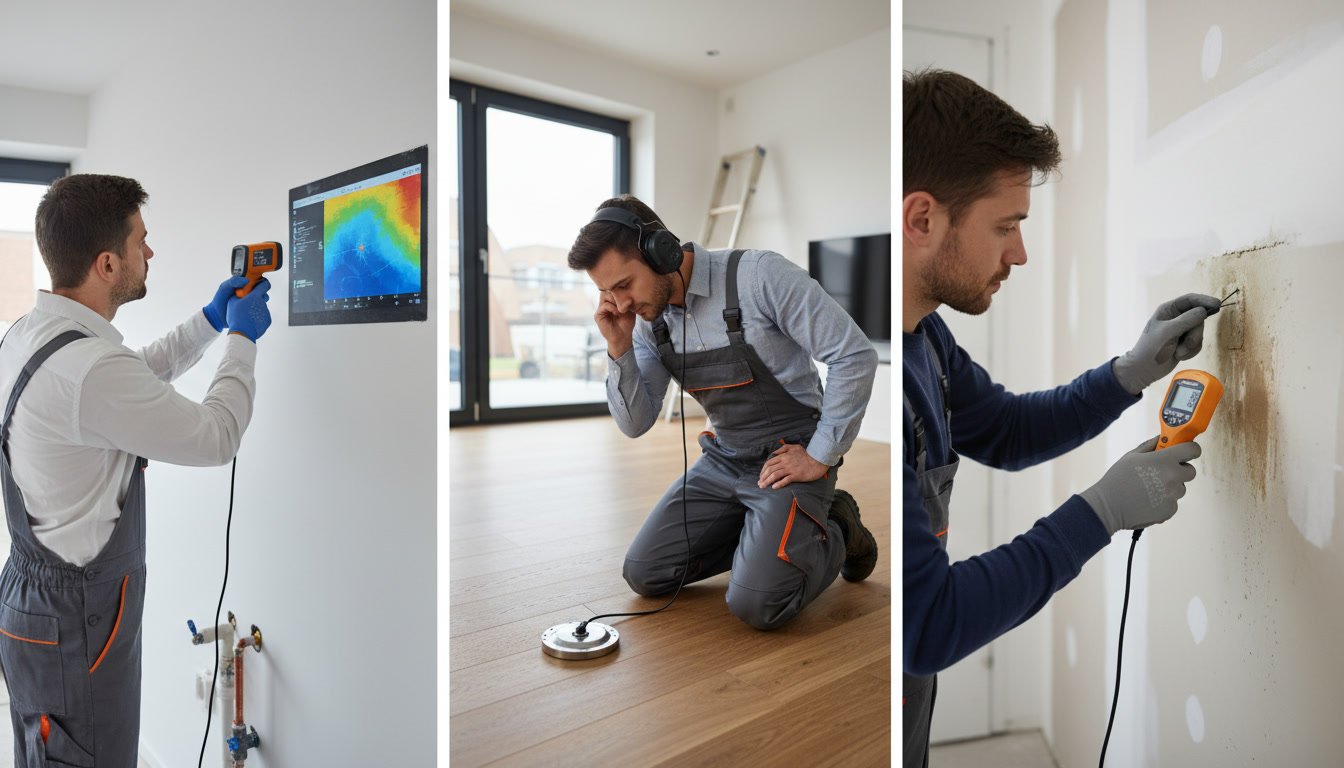
Acoustic testing isolates leak sounds using ground microphones and listening devices. Technicians move systematically through suspect areas, amplifying pipe sounds and filtering out ambient noise. Once a leak signature is identified, they mark the precise location for repair.
Moisture mapping quantifies water content in building materials surrounding suspected leaks. Multiple readings establish saturation gradients that confirm leak direction and severity. This data informs repair scope and determines whether water extraction services are needed before repairs begin.
How Detection Technology Prevents Insurance Claim Complications
Insurance carriers differentiate between sudden incidents and gradual damage. A burst pipe that floods your home overnight qualifies as a covered event. A slow leak that damaged your property over six months often falls under maintenance exclusions. Detection services provide documentation showing when the leak started, helping you demonstrate the timeline to insurers.
Early detection also preserves your claims history. Filing multiple water damage claims raises premiums or leads to policy non-renewal. Finding and fixing leaks before they cause claimable damage keeps your record clean and your rates stable.
Professional reports from certified technicians carry weight during claim reviews. Detailed thermal images, moisture readings, and acoustic data substantiate the scope and cause of damage. This documentation speeds approval and reduces disputes over coverage amounts.
Why Waiting for Visible Damage Multiplies Restoration Complexity
Once water saturates drywall, the material must be removed and replaced. There’s no drying back to original condition once paper facing delaminates and gypsum crumbles. What started as a $200 leak repair becomes a $2,000 drywall project requiring painting, texture matching, and furniture relocation.
Wood framing loses structural integrity when moisture content exceeds 20%. At that threshold, rot fungi activate and decay begins. Replacing load-bearing studs or joists requires temporary supports, permits, and sometimes engineering assessments. These complications don’t exist when leaks are caught at the pinhole stage.
Mold growth triggers health concerns and additional remediation protocols. Once colonies establish themselves, affected materials often require removal rather than cleaning. Containment barriers, negative air machines, and antimicrobial treatments add days to project timelines and thousands to final costs. Detection prevents mold from ever becoming part of the equation.
Seasonal Factors That Increase Leak Risk and Detection Urgency
Winter freeze-thaw cycles stress pipes in exterior walls and unheated spaces. Water expands when it freezes, creating hairline cracks that leak once temperatures rise. Scheduling detection before cold weather helps identify vulnerable sections that need insulation or rerouting.
Spring thaw and heavy rain increase groundwater pressure around foundation pipes. Sewer laterals and basement drain lines face higher backpressure, which can exploit weak joints or aging seals. Post-winter detection catches problems before seasonal moisture turns minor seepage into major infiltration.
Summer heat expands pipes and shifts foundations, sometimes opening gaps at connection points. Air conditioning systems also work harder, increasing condensation volumes and stressing drain lines. Mid-summer detection identifies stress failures before cooling season peaks.

Integration with Comprehensive Property Protection Strategies
Leak detection works best as part of routine property maintenance rather than emergency response. Annual inspections catch aging components before they fail, much like changing oil prevents engine damage. Property owners who schedule regular detection spend less over time than those who wait for disasters.
Combining detection with sewage cleanup readiness creates a complete water management plan. Fresh water leaks and drain failures both threaten property, but contaminated water poses health risks that demand immediate professional response. Understanding which scenarios require which services helps you react appropriately when problems arise.
Detection also supports renovation planning. Before opening walls for remodeling, thermal and moisture scans reveal hidden problems that would complicate construction. Addressing leaks during planned work costs far less than discovering them mid-project and halting progress for emergency repairs.
Protecting Property Value Through Proactive Maintenance
Real estate transactions often include moisture inspections as part of due diligence. Buyers hire inspectors who use similar detection equipment to evaluate property condition. Homes with documented leak detection and repair history command higher prices and face fewer objections during negotiations.
Long-term water damage degrades property value more severely than almost any other defect. Structural repairs, mold history, and visible water stains create red flags that scare buyers and invite lowball offers. Regular detection maintains the conditions that preserve equity and marketability.
Commercial properties face even higher stakes. Tenant improvements, inventory, and business operations all suffer when leaks go undetected. Landlords who implement detection programs reduce liability, minimize insurance claims, and maintain tenant satisfaction by preventing disruptions before they occur.
Smart Investment That Saves Thousands in Avoided Damage
Early leak detection turns catastrophic failures into routine maintenance calls. The technology identifies problems while they’re still small, affordable, and manageable. Property owners gain peace of mind knowing their plumbing is monitored and their investment is protected from the silent destruction that undetected leaks cause over time.
React Restoration LLC provides professional leak detection services throughout the Philadelphia area using thermal imaging, acoustic equipment, and moisture mapping technology. The team locates hidden plumbing failures before they escalate into expensive emergencies, helping you avoid the disruption and cost of major water damage. Schedule an inspection or request immediate assistance by calling +16108583469.