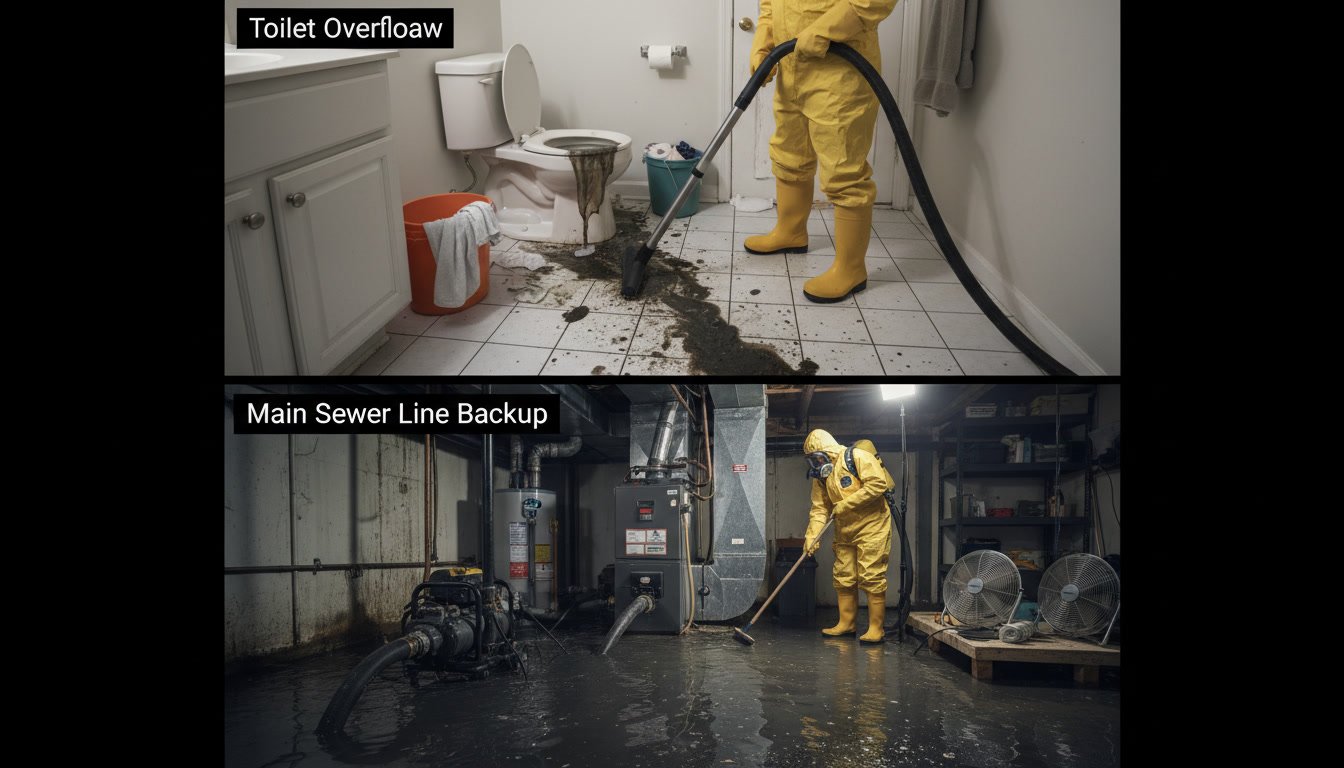
Sewage cleanup methods vary significantly depending on the source and contamination level of the incident. A toilet overflow from a clogged drain requires different protocols, equipment, and safety measures than a main sewer line backup that floods your basement with raw sewage. The contamination category, affected area size, and structural exposure determine which restoration approach protects your property and health most effectively.
Why the Source of Sewage Contamination Determines the Cleanup Method
The contamination category assigned to sewage incidents directly controls which equipment, protective gear, and disposal methods restoration professionals use. Toilet overflows typically fall into Category 2 (grey water) if they contain only urine or toilet paper, but move to Category 3 (black water) if fecal matter is present. Main sewer line backups always qualify as Category 3 because they carry raw sewage, chemicals, and bacteria from the municipal system or septic tank.
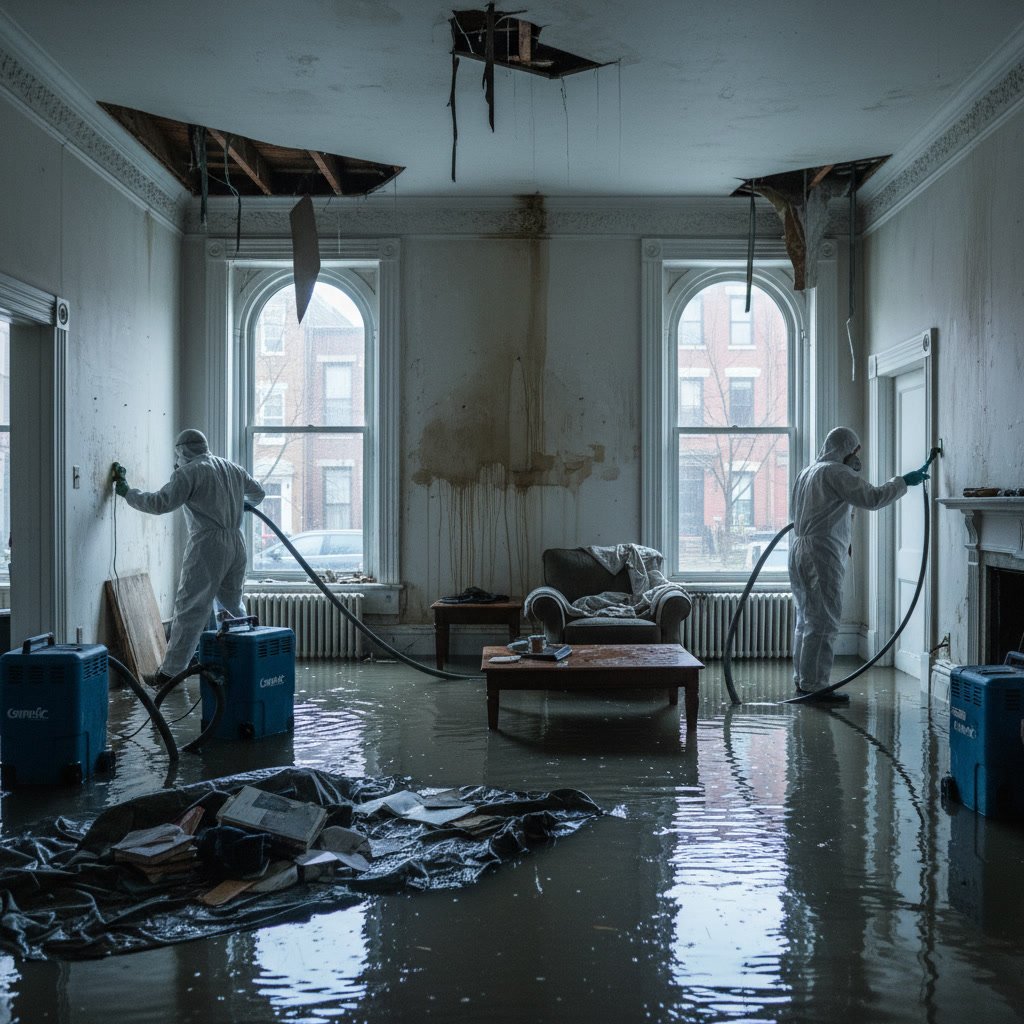
Category 3 contamination requires full biohazard protocols. Technicians wear respirators, full-body suits, and nitrile gloves rather than the standard protective equipment used for clean water incidents. All porous materials that contact black water, including drywall, insulation, and carpet padding, must be removed and disposed of as contaminated waste. Non-porous surfaces undergo antimicrobial treatment rather than simple cleaning.
How Toilet Overflow Cleanup Addresses Localized Contamination
A toilet overflow usually affects a single bathroom and adjacent hallway. The water volume rarely exceeds 10 to 20 gallons, and the incident typically stops once the source is shut off or the clog clears. Response time matters because sewage water begins penetrating subflooring and wall cavities within 15 to 30 minutes.
Cleanup starts with source control and extraction. Professional teams use truck-mounted or portable extractors to remove standing water, then apply antimicrobial agents to all affected surfaces. Flooring may require removal if the overflow sat for more than an hour, as sewage penetrates grout lines, seams, and the edges of vinyl or laminate planks. The contained nature of toilet overflows allows for targeted removal rather than whole-room demolition.
Main Sewer Line Backup Restoration in Philadelphia Properties
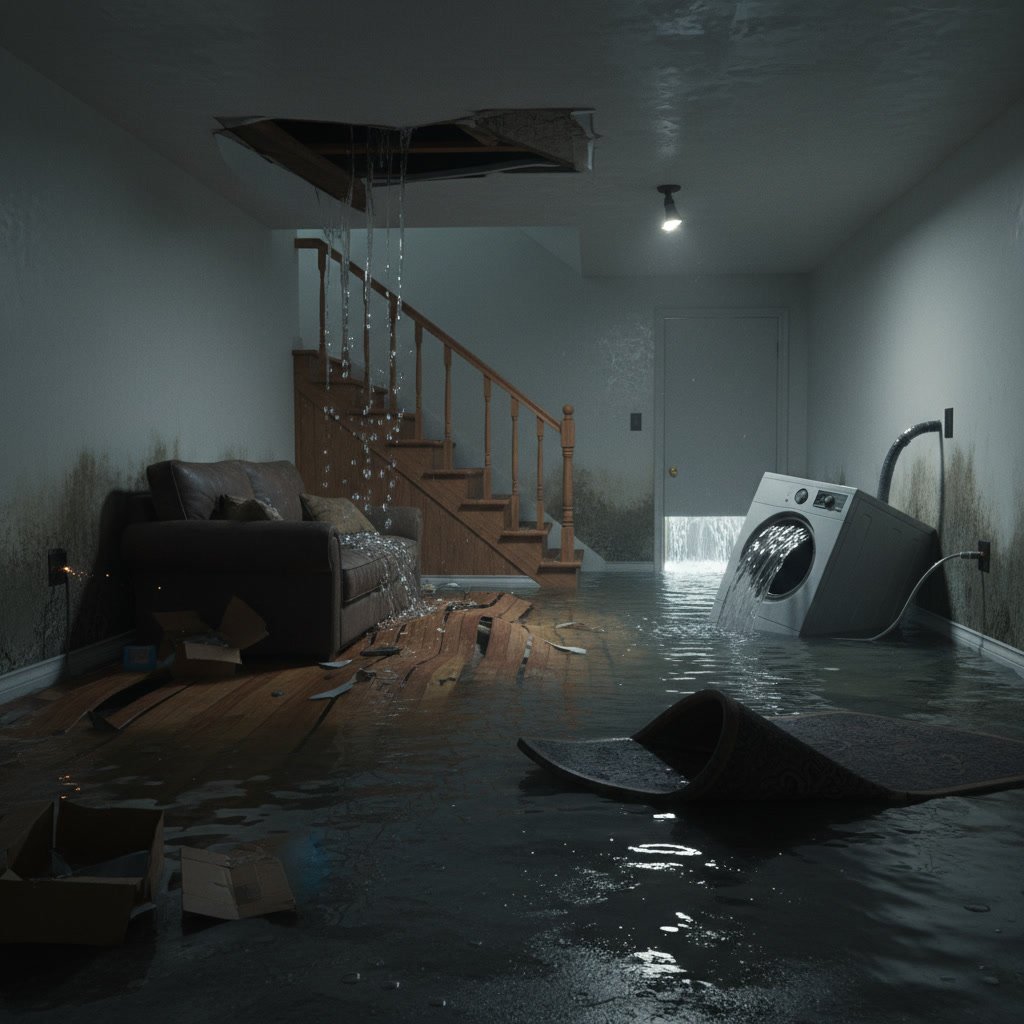
Main sewer line backups occur when municipal lines fail, tree roots block lateral connections, or septic systems overflow. These incidents release hundreds or thousands of gallons of raw sewage into basements, crawl spaces, or ground floors. The contamination spreads across multiple rooms and penetrates deep into building materials because of the volume and pressure involved.
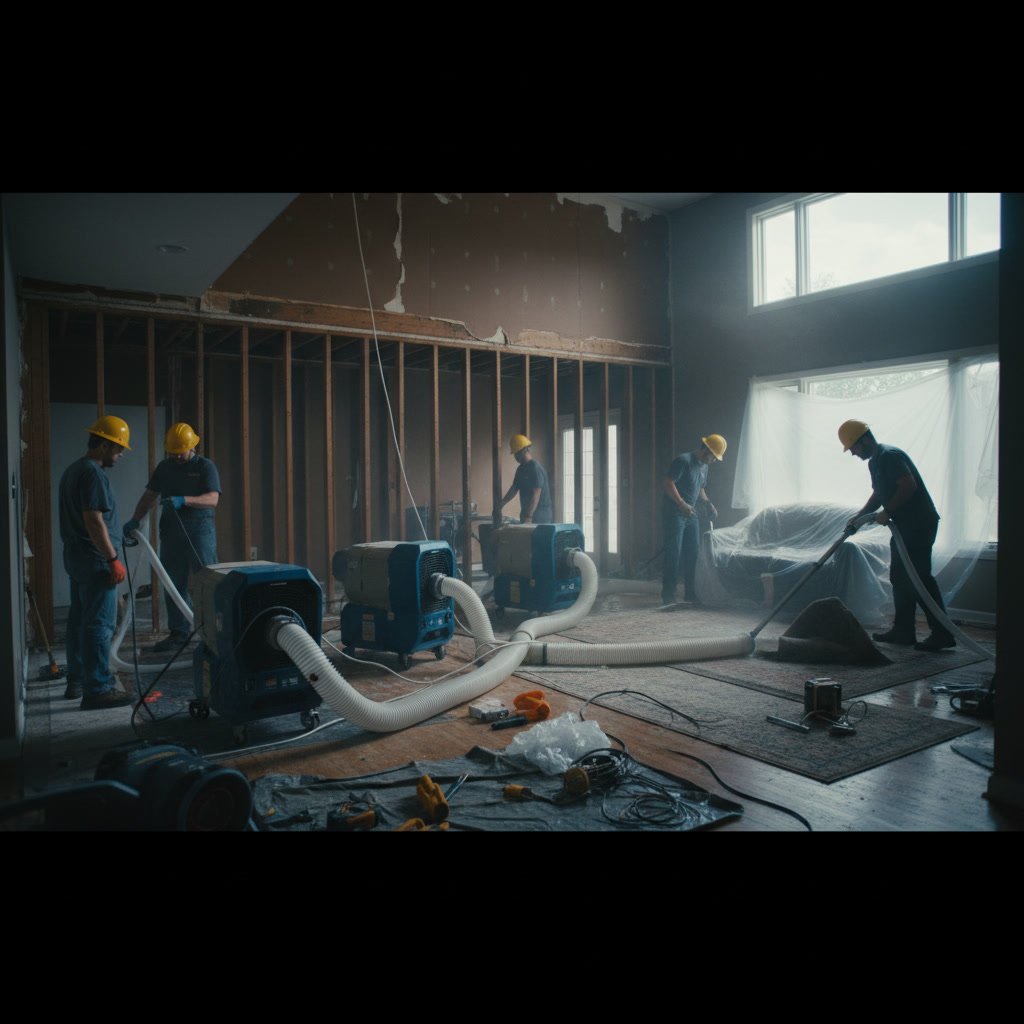
Restoration requires controlled demolition before cleanup can begin. Teams remove all porous materials that contacted sewage, including baseboards, drywall (typically cut 12 to 24 inches above the waterline), insulation, and floor coverings. Concrete floors require pressure washing and multiple antimicrobial treatments. HVAC systems need inspection and possible duct cleaning if sewage reached supply or return vents.
Equipment and Safety Protocols That Differ Between Cleanup Types
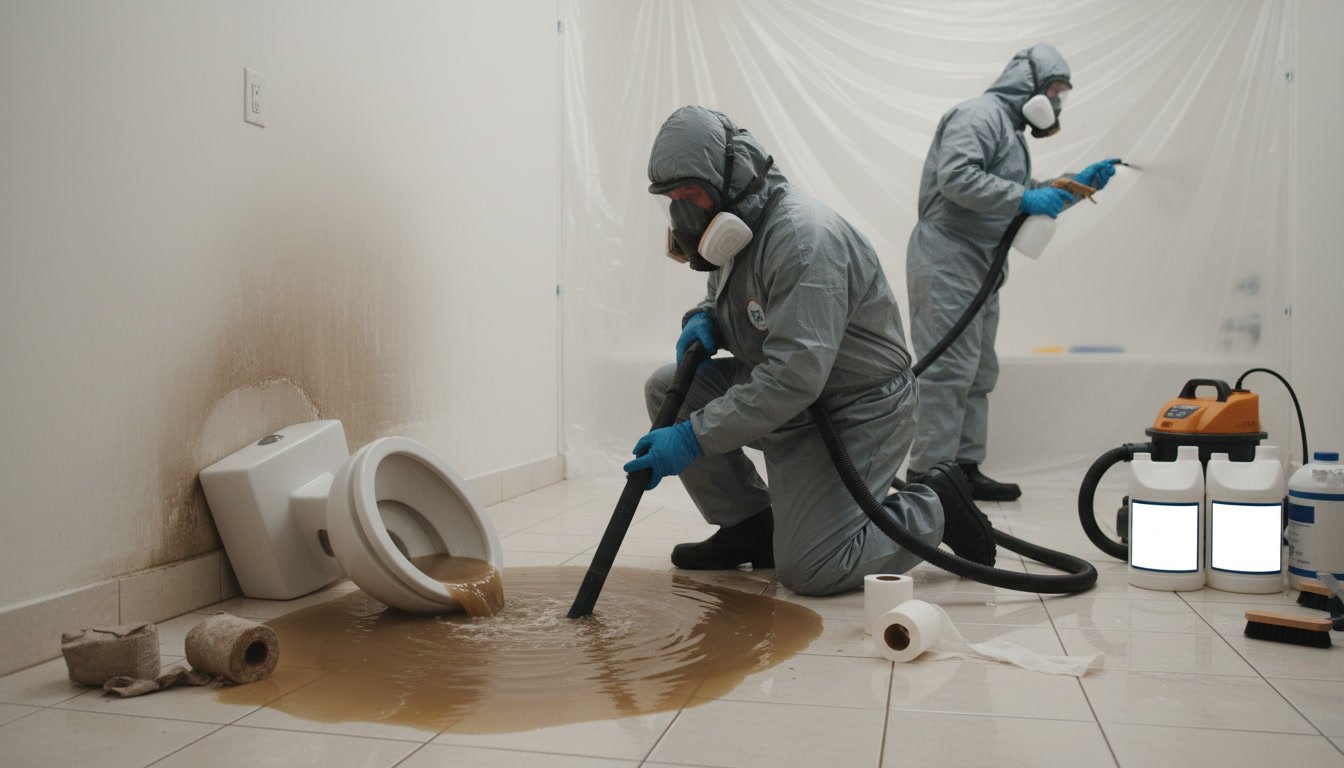
Toilet overflow cleanup uses standard extraction wands, air movers, and dehumidifiers along with hospital-grade disinfectants. Technicians wear gloves and shoe covers but can often work without full respirators if ventilation is adequate and the contamination is minor.
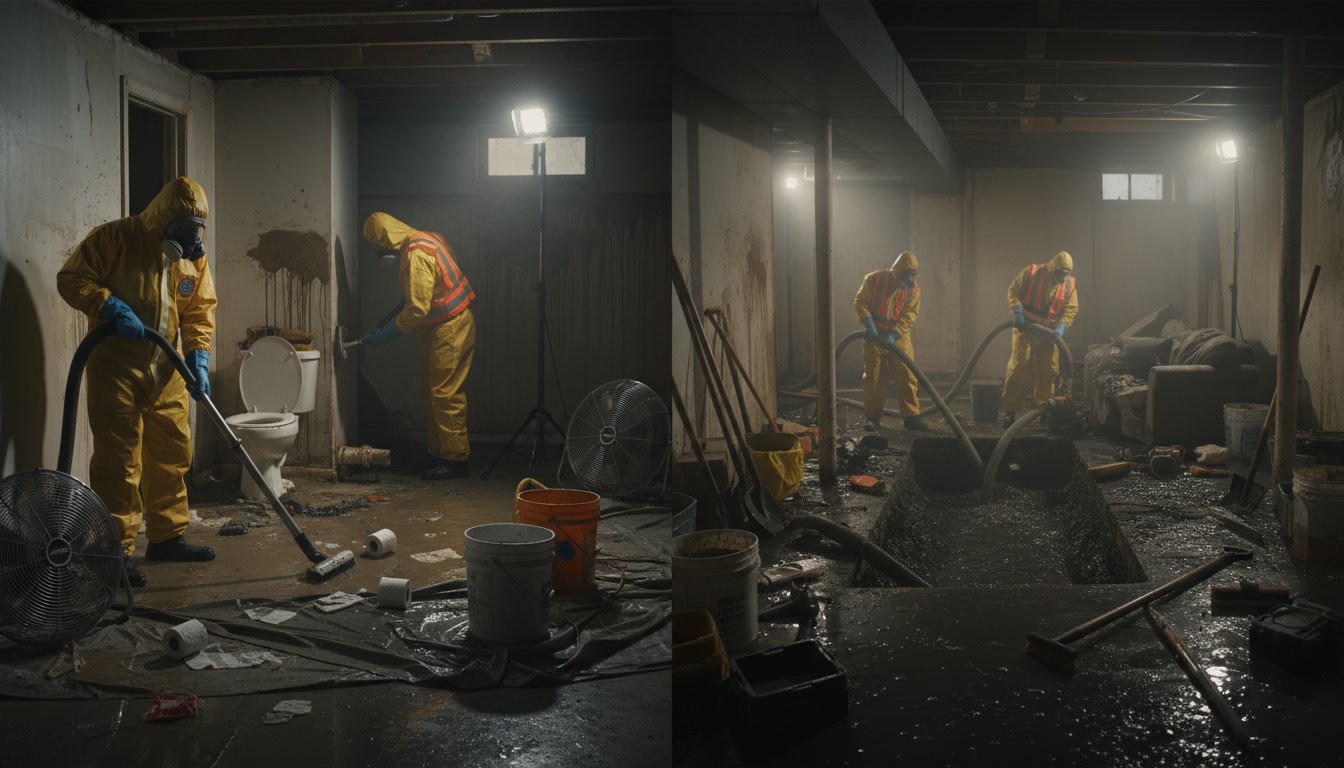
Main sewer line backup cleanup requires negative air machines with HEPA filtration to prevent airborne pathogens from spreading throughout the property. Technicians use full-face respirators with P100 filters, disposable coveralls, and double-glove protocols. All contaminated materials go into biohazard bags before removal, and the work area remains sealed with plastic sheeting until antimicrobial treatment is complete and air quality testing confirms safe levels.
Step-by-Step Comparison of Cleanup Procedures
For a toilet overflow, the process follows this sequence: stop the water source, extract standing water, remove saturated materials if necessary, apply antimicrobial treatment, dry the affected area with air movers and dehumidifiers, test for remaining moisture, and sanitize all surfaces. Total time ranges from one to three days for minor incidents.
Main sewer line backup restoration follows a more intensive path: establish containment barriers, remove all standing sewage, conduct controlled demolition of contaminated materials, pressure wash structural surfaces, apply broad-spectrum antimicrobials, set up negative air filtration, dry the structure completely, conduct air quality testing, and then begin reconstruction. This process typically requires five to 10 days before rebuilding starts.
Why Drying Time and Structural Impact Vary
Toilet overflows affect surface materials and the top layer of subflooring. Drying equipment can usually stabilize moisture levels within 48 to 72 hours if response is prompt. The limited contamination area means fewer materials require disposal, which reduces both cost and reconstruction time.
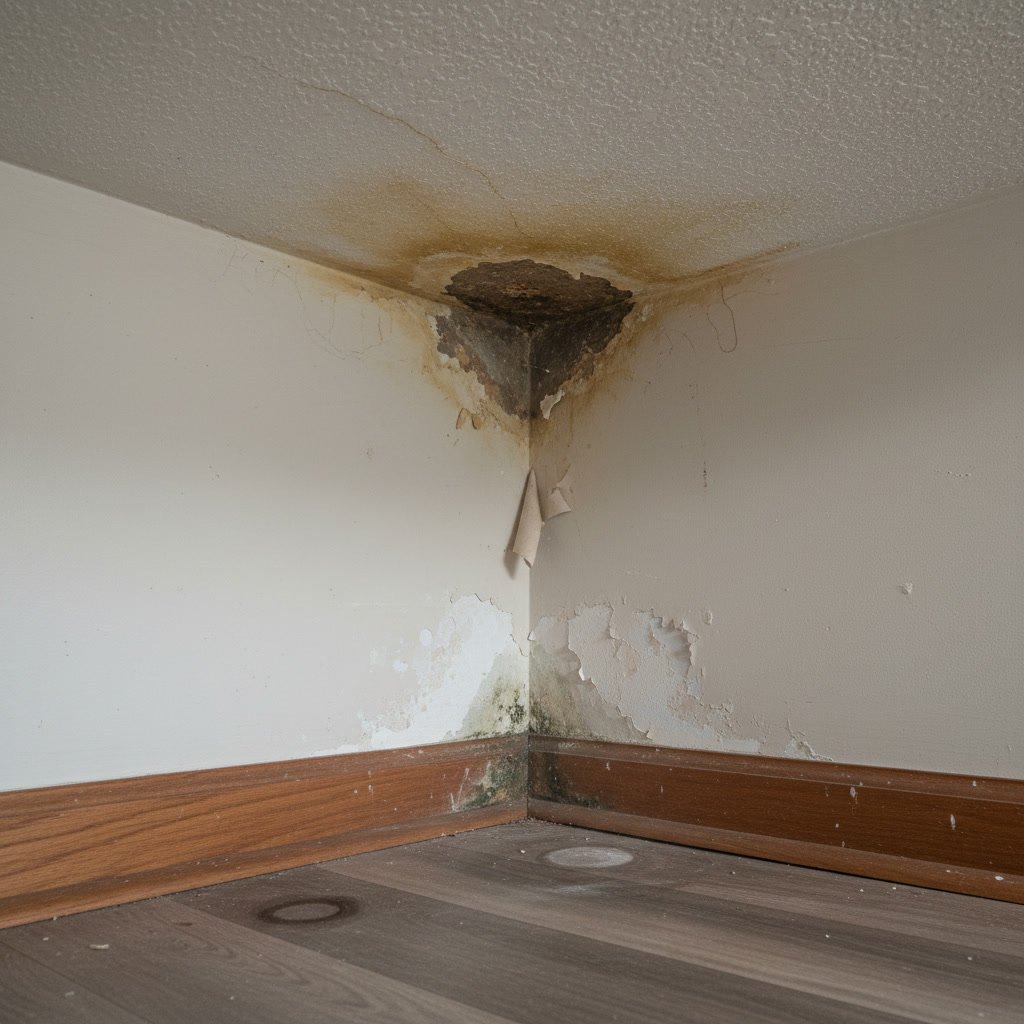
Sewer backups saturate concrete, soak into wall studs, and spread contamination across entire floor systems. Drying requires three to seven days even with industrial equipment because concrete and framing lumber release moisture slowly. The extended timeline increases the risk of secondary mold growth, which is why many restoration teams apply preventive antimicrobial coatings even after thorough drying. Property owners who experience significant sewer backups often need restoration reconstruction services to return the space to safe, usable condition.
The Role of Professional Assessment in Method Selection
Homeowners cannot always determine contamination category by visual inspection alone. A toilet that overflowed from a main line blockage carries the same Category 3 contamination as a basement backup, even though the volume may appear small. Restoration professionals use moisture meters, thermal imaging, and contamination testing to map the full extent of damage.
Assessment determines which materials can be salvaged and which require removal. Hardwood floors may survive a toilet overflow if extraction happens within the first hour, but the same floors cannot be saved after contact with raw sewage from a main line backup. Professional assessment prevents incomplete cleanup that leaves hidden contamination and creates long-term health risks. Teams equipped with advanced technology can identify problems that mirror the approach used in leak detection services, where hidden moisture becomes visible through specialized equipment.
Insurance Documentation Requirements for Different Sewage Incidents
Toilet overflows typically fall under standard homeowner policies as sudden and accidental water damage. Sewer backups often require a separate endorsement or rider, and many policies exclude sewer backup coverage unless specifically added. The documentation requirements differ based on the claim type.
Main line backups require extensive photo documentation, detailed scope sheets showing all removed materials, and often a plumber’s report confirming the cause of the backup. Insurance adjusters scrutinize these claims more carefully because of the higher cost and potential for pre-existing conditions like aging sewer laterals or tree root intrusion. Working with restoration companies experienced in insurance claims helps property owners navigate the documentation process and avoid claim denials based on technicalities.
Health Risks That Escalate With Backup Severity
Toilet overflow from clean water poses minimal health risk if cleaned promptly. The risk increases if fecal matter is present, introducing E. coli, salmonella, and other pathogens. Proper disinfection eliminates these threats when the affected area is small and response is fast.
Main sewer line backups expose occupants to hepatitis, parasitic infections, and respiratory hazards from hydrogen sulfide gas and methane. Children, elderly individuals, and anyone with compromised immune systems should not enter areas affected by raw sewage until professional cleanup and antimicrobial treatment are complete. Some restoration projects require temporary relocation, similar to situations covered in our discussion of when properties need immediate response rather than delayed service.
When DIY Cleanup Becomes Dangerous
Property owners can sometimes address minor toilet overflows with immediate action, proper disinfectants, and thorough drying. This applies only to small volumes with minimal fecal content that did not penetrate subflooring or wall cavities. Even then, professional assessment is worth considering to confirm complete drying and proper disinfection.
Main sewer line backups should never be addressed without professional help. The contamination level, required disposal protocols, and structural assessment needs exceed what property owners can safely or legally handle. Attempting DIY cleanup creates liability if future occupants develop health issues from incomplete remediation. Some municipalities require licensed contractors for Category 3 sewage cleanup and impose fines for improper disposal of contaminated materials.
Protecting Your Property With the Right Response
Understanding the difference between toilet overflow cleanup and main sewer line backup restoration helps you respond appropriately when sewage incidents occur. Toilet overflows require fast action, proper disinfection, and thorough drying of a limited area. Main line backups demand professional assessment, controlled demolition, biohazard protocols, and extensive reconstruction.
Both situations benefit from immediate professional response. Contamination spreads quickly, health risks escalate with exposure time, and delayed cleanup increases structural damage and cost. Knowing which scenario you face and which protocols apply protects both your property and your family’s health.
React Restoration LLC provides certified sewage cleanup services throughout the Philadelphia area with the expertise to assess contamination levels and apply appropriate restoration methods. Our team responds to both minor overflows and major sewer backups with the equipment, safety protocols, and experience your property requires. Contact us at +16108583469 for immediate assessment and cleanup that meets industry standards and protects your investment.