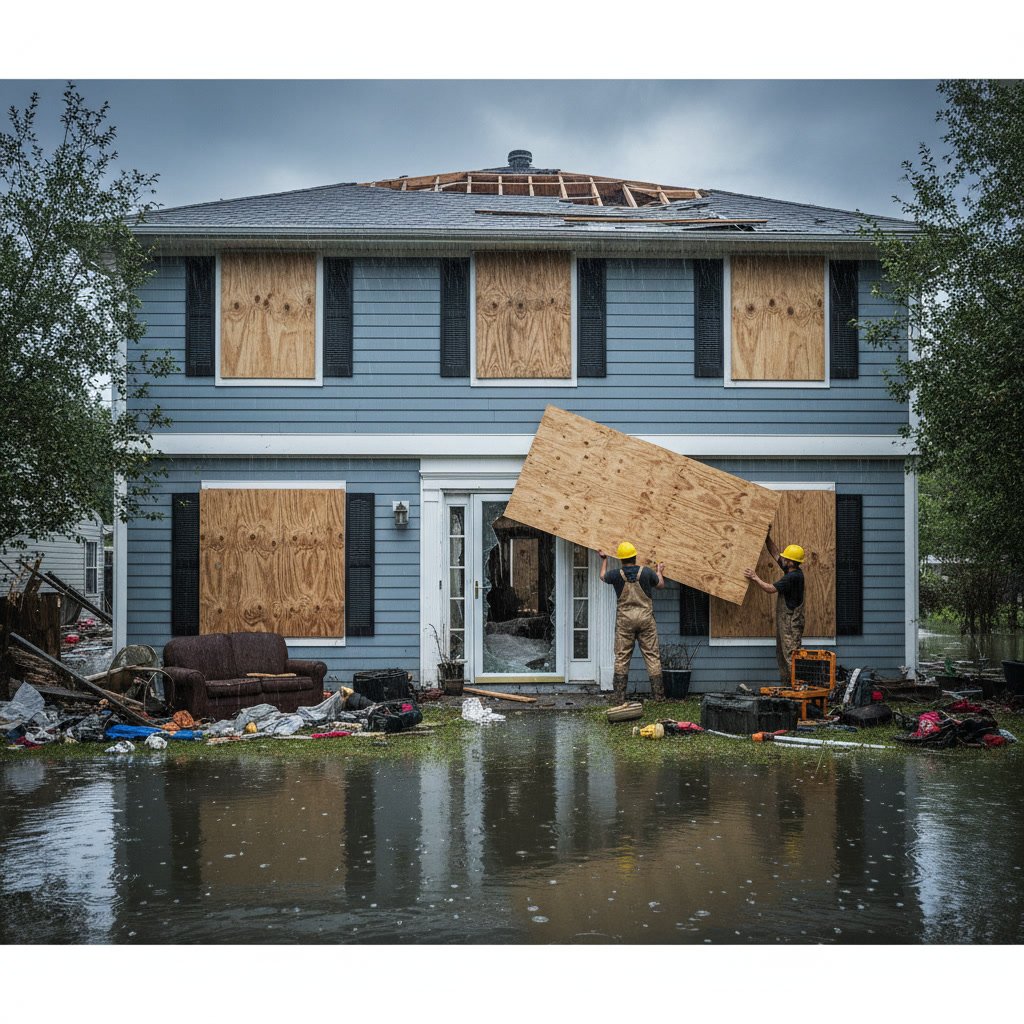
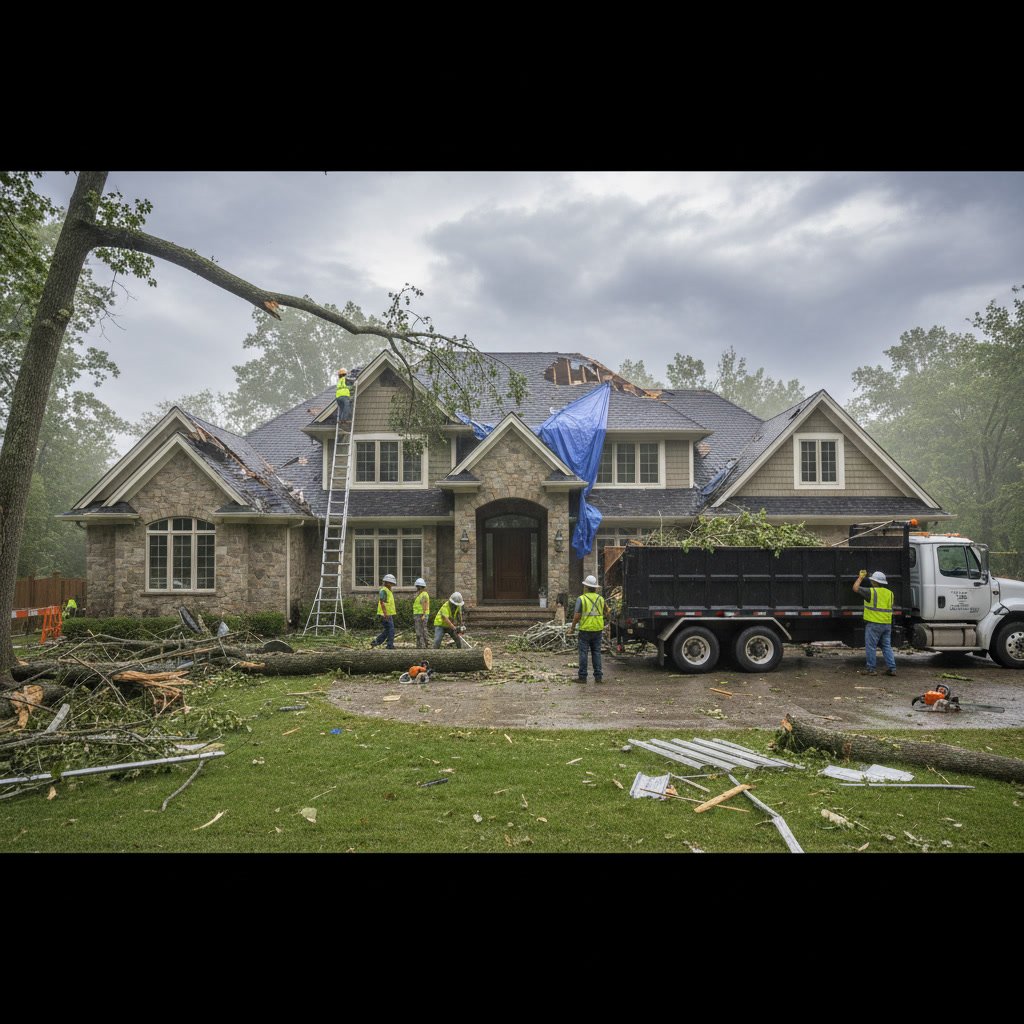
Severe weather leaves properties facing immediate threats: fallen trees puncturing roofs, broken windows exposing interiors to rain, and scattered debris creating safety hazards. The storm damage restoration process begins with rapid assessment and debris removal, followed by emergency stabilization to prevent water intrusion, structural collapse, and mold growth. Professional teams work systematically to clear wreckage, document losses for insurance, and restore both safety and functionality to damaged buildings.
Why Storm Damage Requires Immediate Professional Attention
The window between initial damage and cascading secondary problems measures in hours, not days. A compromised roof allows rain to saturate insulation, drywall, and framing. Wind-damaged siding creates entry points for moisture. Broken windows turn every subsequent rainfall into an interior flooding event.
Professional restoration teams arrive equipped to address both visible destruction and hidden vulnerabilities. They identify structural compromises that untrained observers miss, such as shifted foundation elements, compromised load-bearing walls, and electrical hazards concealed beneath debris piles.
The Critical First Hours After Storm Impact
Response speed directly correlates with total repair costs. Properties left unsecured for 24 to 48 hours after storm damage typically face repair bills 30 to 50 percent higher than those stabilized within the first six hours. This cost difference reflects secondary water damage, theft through unsecured openings, and biological growth that begins within 48 hours of moisture exposure.
Certified restoration specialists conduct triage-style assessments, prioritizing life safety issues first, then property protection, and finally cosmetic repairs. This hierarchy ensures that dangerous conditions receive immediate attention while preventing further deterioration of salvageable materials and contents.
Emergency Stabilization and Property Protection in Philadelphia
Stabilization begins with structural safety verification. Teams inspect roof decking for integrity, check wall plumb and stability, and ensure that damaged areas will not collapse during cleanup operations. Once safety is confirmed, emergency protection measures follow a specific sequence.
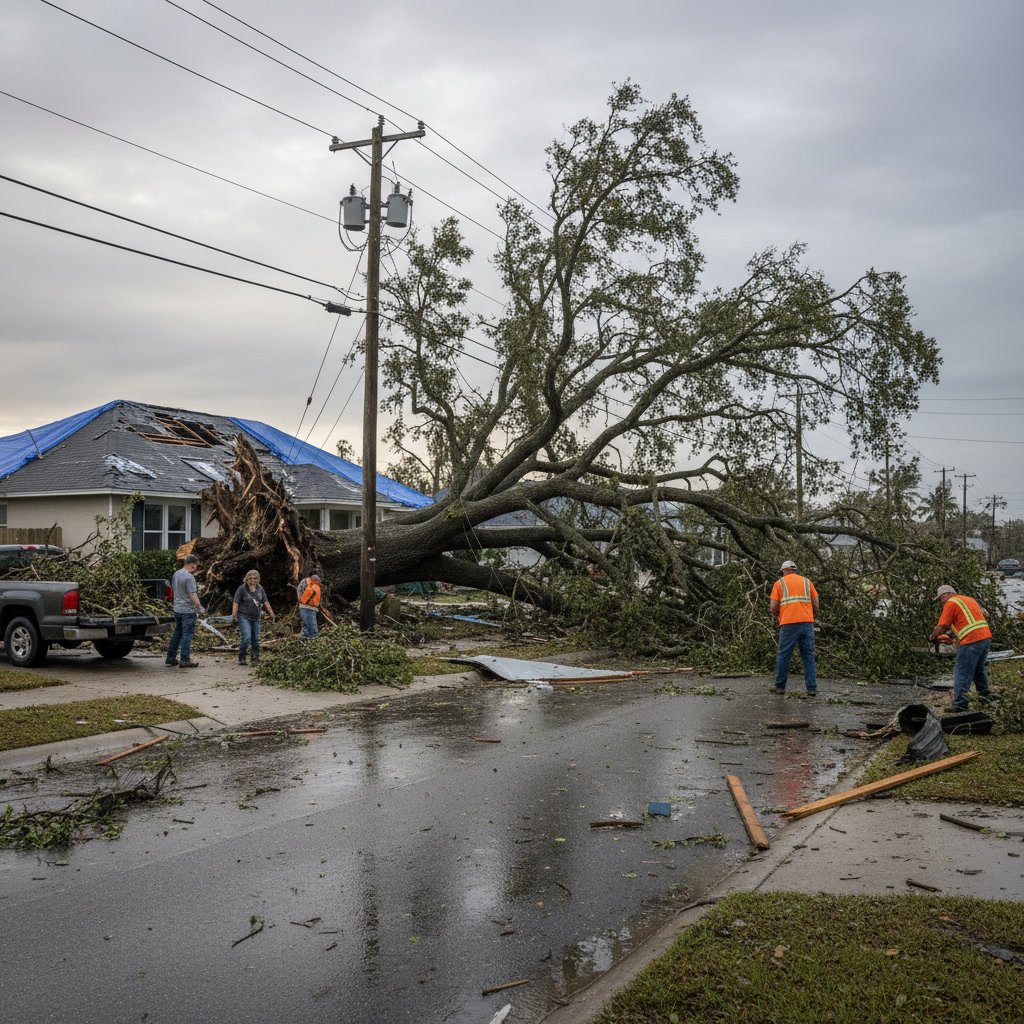
Roof damage receives immediate tarping using heavy-duty materials anchored with screws rather than nails, which resist wind uplift far more effectively. Window and door openings get covered with plywood or security panels. Emergency board up services prevent both weather intrusion and unauthorized entry, particularly important for commercial properties and vacant homes.
Water intrusion points must be sealed before interior restoration can begin. Even small gaps in building envelopes allow sustained water entry that undermines all subsequent repair work. React Restoration LLC teams verify weather-tightness before proceeding to interior work, preventing the costly mistake of repairing damage while the source remains active.
Systematic Debris Removal and Documentation
Debris clearing follows documentation, never the reverse. Insurance adjusters require photographic evidence of damage in its original state. Restoration professionals photograph debris fields from multiple angles, document specific damaged items, and map debris locations before moving anything.
Removal proceeds in categories: hazardous materials first (broken glass, sharp metal, compromised electrical components), then heavy structural debris (fallen trees, roof sections, siding), followed by general contents and building materials. This sequencing maintains site safety while preserving access routes for equipment and personnel.
Large debris requires specialized equipment. A single mature tree can weigh 15,000 to 20,000 pounds. Sections of collapsed roof carry hidden dangers including nails, insulation fibers, and compromised electrical wiring. Professional teams use appropriate lifting equipment, personal protective gear, and disposal protocols that residential property owners cannot safely replicate.
Water Extraction and Moisture Control After Storm Events
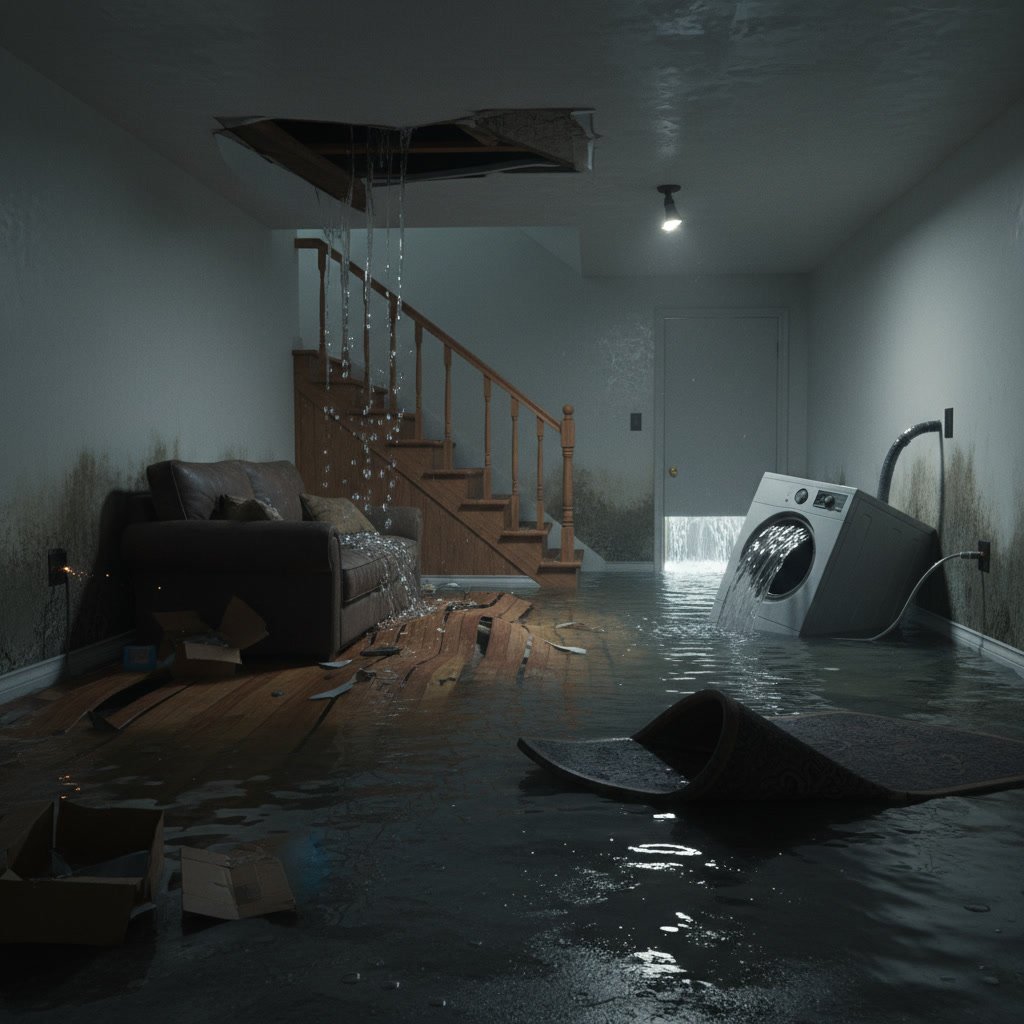
Storm damage nearly always includes water intrusion. Wind-driven rain penetrates building envelopes through compromised roofing, siding, and window systems. Standing water accumulates in basements and crawlspaces. Saturated building materials begin deteriorating immediately.
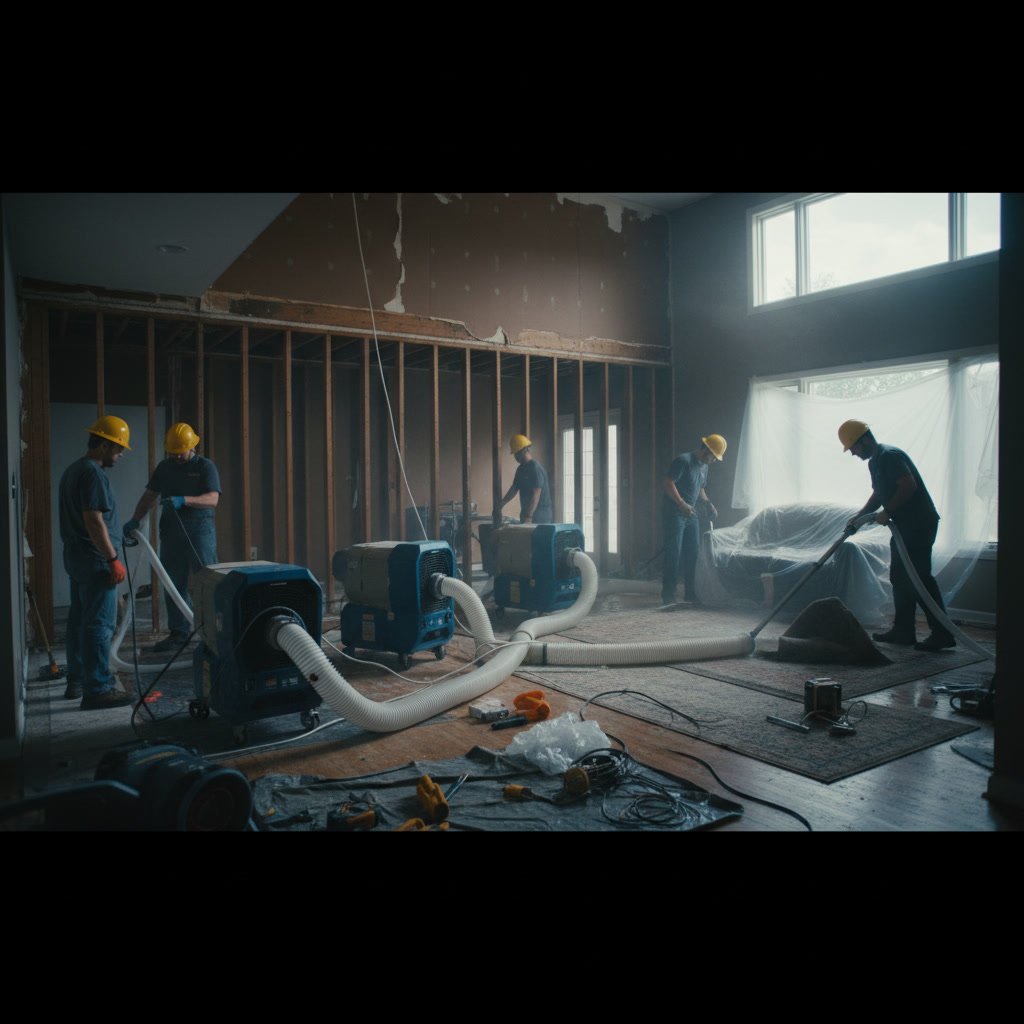
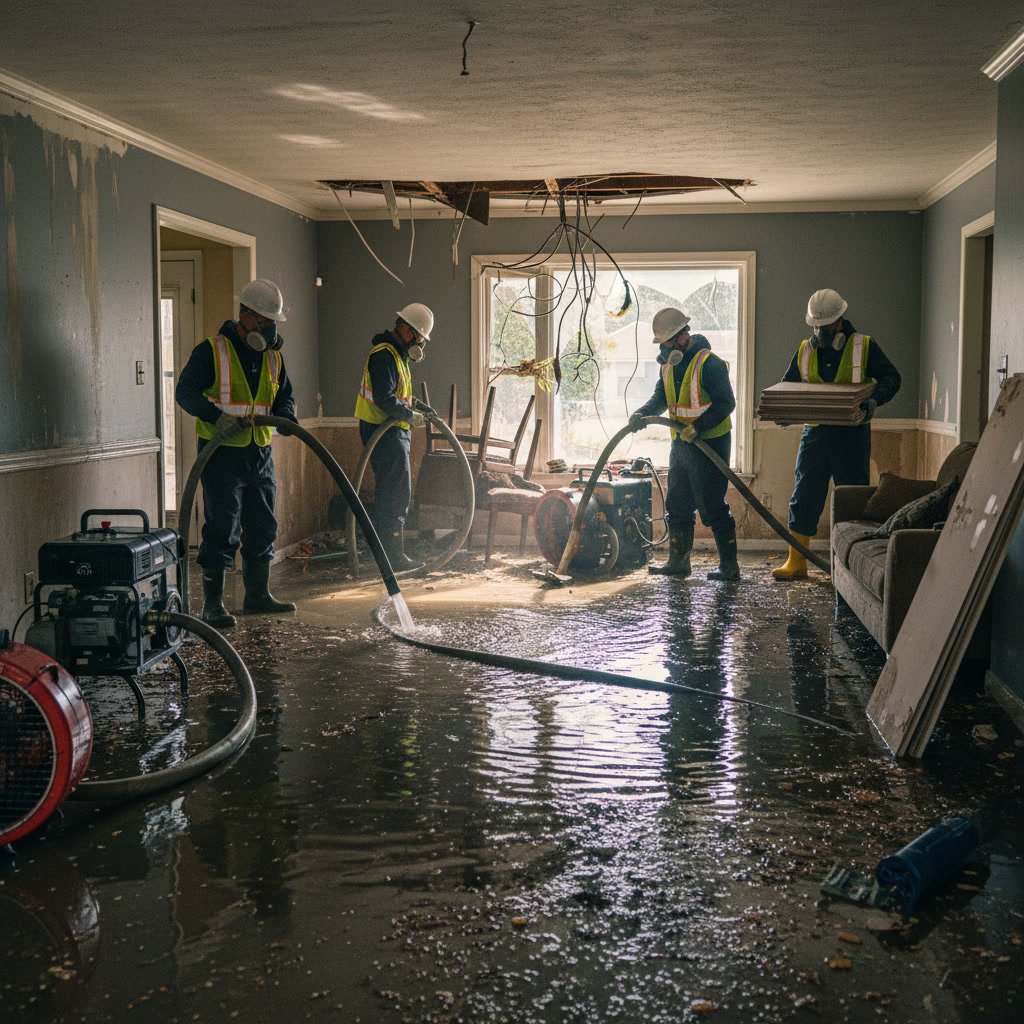
Professional water extraction services remove standing water using truck-mounted and portable extractors that recover hundreds of gallons per hour. This rapid removal prevents continued absorption into framing, subfloors, and wall cavities. Delays of even 12 hours can transform a surface water problem into a structural drying project requiring wall removal and extended drying time.
Commercial-grade dehumidifiers and air movers create controlled drying environments. Restoration technicians monitor moisture levels in structural materials using non-invasive meters and document drying progress daily. Materials must reach industry-standard dry conditions before reconstruction begins, or mold growth and material failure become inevitable.
Structural Assessment and Safety Verification
Once debris is cleared and water removed, detailed structural evaluation begins. Certified inspectors examine foundation integrity, check for shifted or cracked structural members, and assess load-bearing capacity of compromised elements. This technical evaluation determines whether repairs can proceed immediately or require temporary shoring and engineering consultation.
Roof framing receives particular attention. Wind forces create uplift that can loosen connections between rafters and walls, even when no visible damage appears. Inspection includes fastener integrity, member alignment, and sheathing attachment. Subtle damage in these areas leads to progressive failure if not identified and corrected.
Electrical and mechanical systems damaged by water or impact must be inspected by licensed specialists before restoration work energizes circuits or activates equipment. Water-compromised electrical panels and HVAC equipment pose fire and safety hazards that require replacement, not simple drying.
Insurance Documentation and Claims Support
Comprehensive documentation separates successful insurance claims from disputed ones. Restoration professionals create detailed inventories of damaged materials, photograph all affected areas, and measure the full extent of destruction using standardized estimating software that insurance adjusters recognize and accept.
Moisture mapping uses thermal imaging and moisture meters to document hidden water migration behind walls and under flooring. This evidence supports the full scope of necessary drying and repairs, preventing situations where insurance covers only visible damage while concealed moisture causes future problems. Insurance claims assistance ensures that all storm-related damage receives proper documentation and consideration.
Detailed estimates itemize labor, materials, and equipment costs according to industry-standard pricing databases. This transparency helps property owners understand repair costs and provides insurance companies with verifiable basis for claim settlements.
Mold Prevention and Environmental Controls
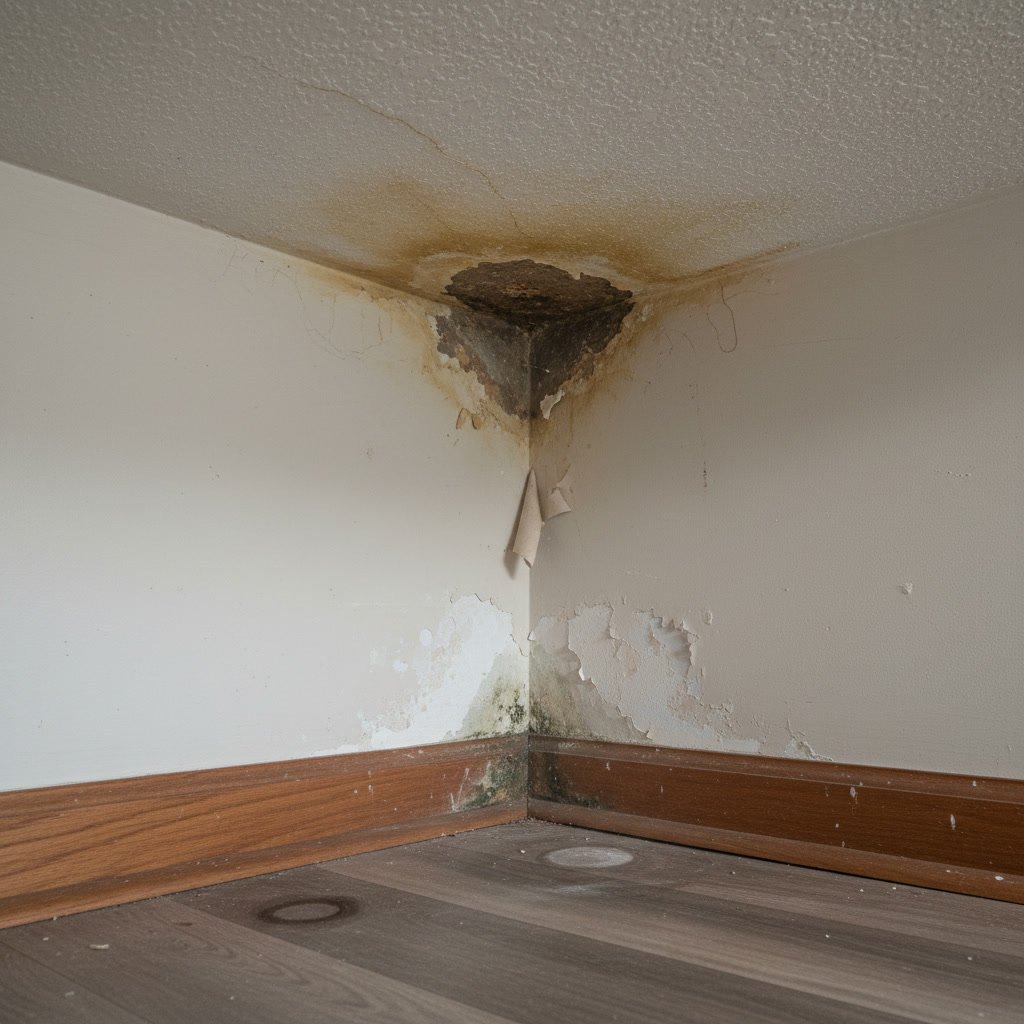
Biological growth begins within 48 to 72 hours when organic building materials remain wet. Storm damage creates ideal mold conditions: abundant moisture, disrupted climate control, and cellulose-based materials (wood, drywall, insulation) that serve as food sources.
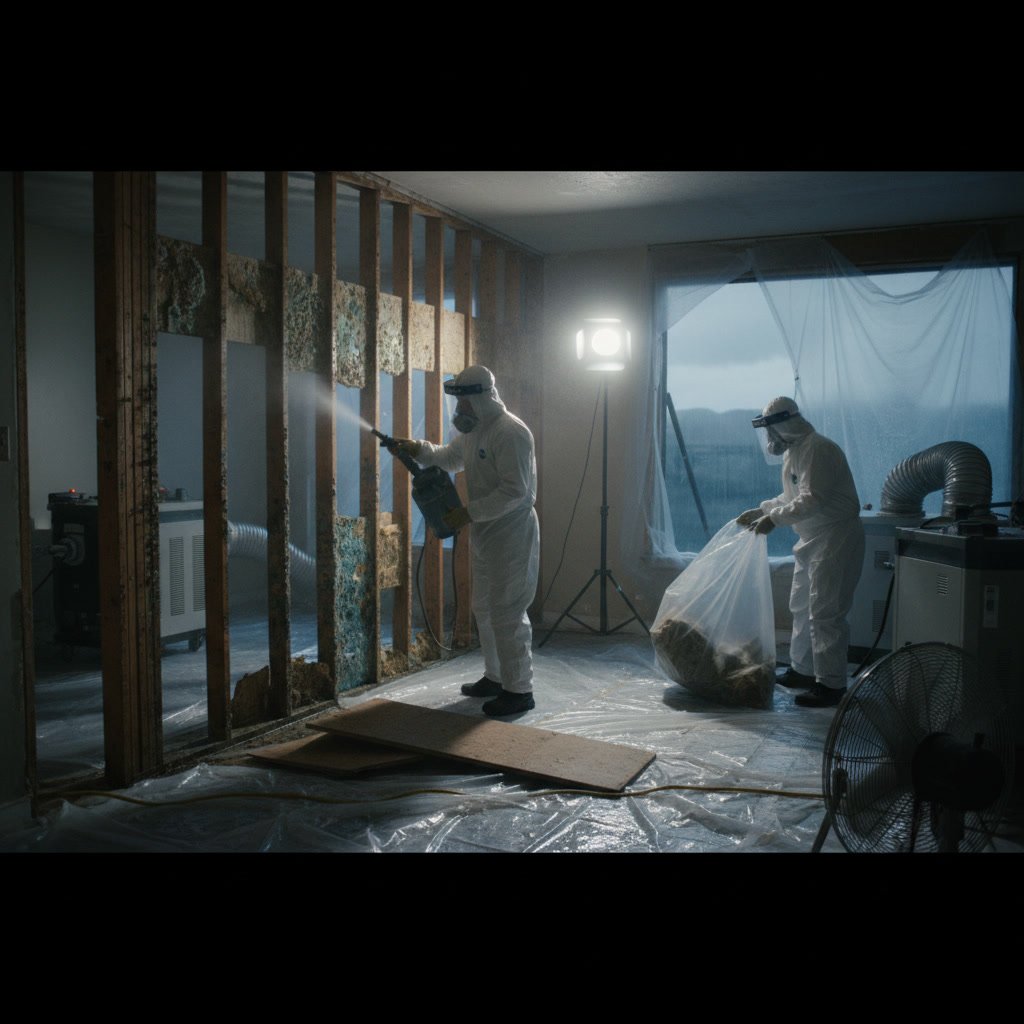
Prevention requires aggressive moisture control combined with antimicrobial treatment of affected materials. Restoration teams apply EPA-registered antimicrobial solutions to surfaces exposed to water intrusion, creating hostile environments for spore germination. This treatment works only when combined with thorough drying; surface treatment cannot overcome sustained moisture presence.
Air quality monitoring during restoration identifies elevated spore counts that indicate active growth or cross-contamination from damaged areas to clean spaces. HEPA filtration and negative air pressure containment prevent migration of contaminated air throughout structures during demolition and cleaning phases.
Reconstruction and Restoration to Pre-Loss Condition
Reconstruction begins only after complete drying verification and structural approval. This phase rebuilds damaged roofing, siding, interior finishes, and mechanical systems using materials that match or exceed original specifications. Building codes often require upgrades to current standards when replacing damaged components, particularly for electrical and structural elements.
Roof reconstruction includes not just shingle replacement but proper underlayment, flashing details, and ventilation systems that prevent future weather intrusion. Attention to these hidden details determines whether repairs last decades or fail within years. Restoration reconstruction work must address both visible damage and the underlying building science that protects against future events.
Interior restoration matches existing finishes, textures, and colors. This includes sourcing discontinued materials when necessary or creating custom-matched replacements that blend seamlessly with undamaged areas. The goal extends beyond function to complete aesthetic restoration that eliminates any evidence of the damage event.
Preventing Future Storm Vulnerabilities
Post-storm restoration offers opportunities to strengthen properties against future severe weather. Common upgrades include impact-resistant roofing materials rated for higher wind speeds, reinforced roof-to-wall connections using hurricane straps or clips, and enhanced window protection through laminated glass or storm shutters.
Proper grading and drainage improvements prevent water accumulation against foundations during heavy rainfall. Installing backflow preventers protects against sewer backup during flood conditions. These proactive measures cost far less when incorporated during restoration than as standalone projects, and many receive insurance premium discounts that offset initial investment.
Tree management reduces future impact risks. Professional arborists identify trees with structural weaknesses, decay, or lean angles that threaten buildings during high winds. Selective removal or strategic pruning eliminates hazards before they cause damage, a particularly valuable investment in areas with mature landscaping and frequent severe weather.
Protecting Your Property After Severe Weather Strikes
Storm damage restoration succeeds through systematic assessment, rapid stabilization, thorough documentation, and quality reconstruction. Properties receive protection from secondary damage while insurance processes move forward efficiently. Professional restoration teams bring specialized equipment, technical knowledge, and coordination skills that transform overwhelming destruction into manageable repair projects with predictable timelines and outcomes.
React Restoration LLC provides comprehensive storm damage services throughout Philadelphia and surrounding areas, responding immediately when severe weather threatens or damages your property. Our certified teams handle everything from emergency stabilization through complete reconstruction, working directly with insurance companies to streamline claims and restore your property to pre-loss condition. Contact our team at +16108583469 for immediate assistance with storm damage assessment, debris removal, and comprehensive restoration services.