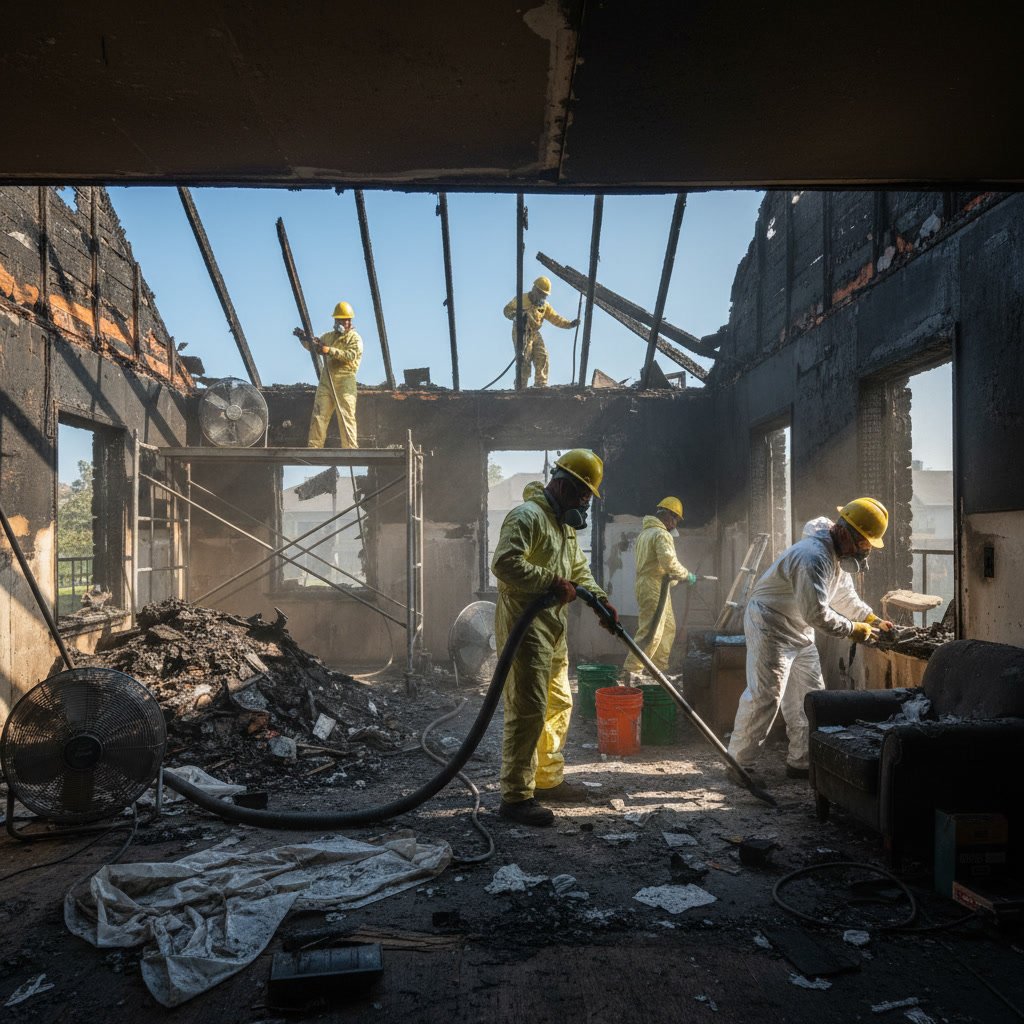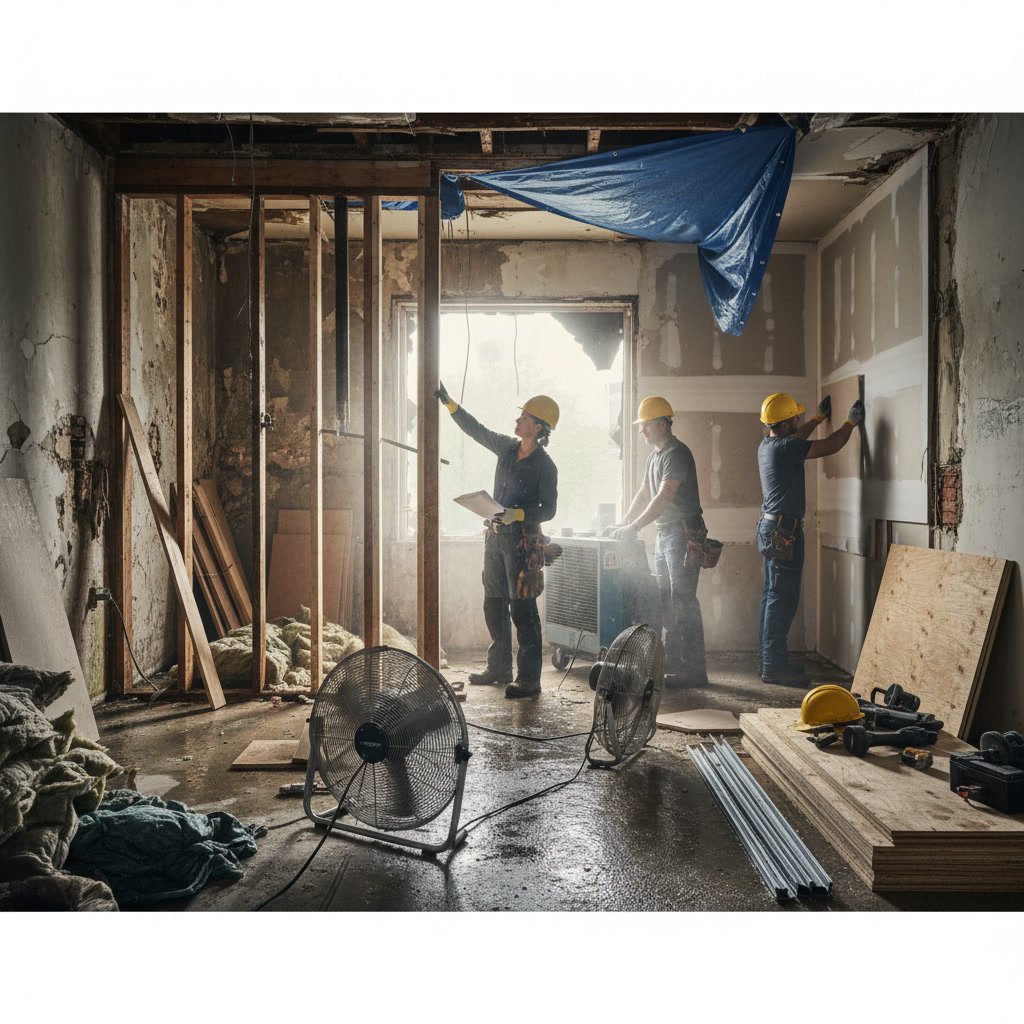
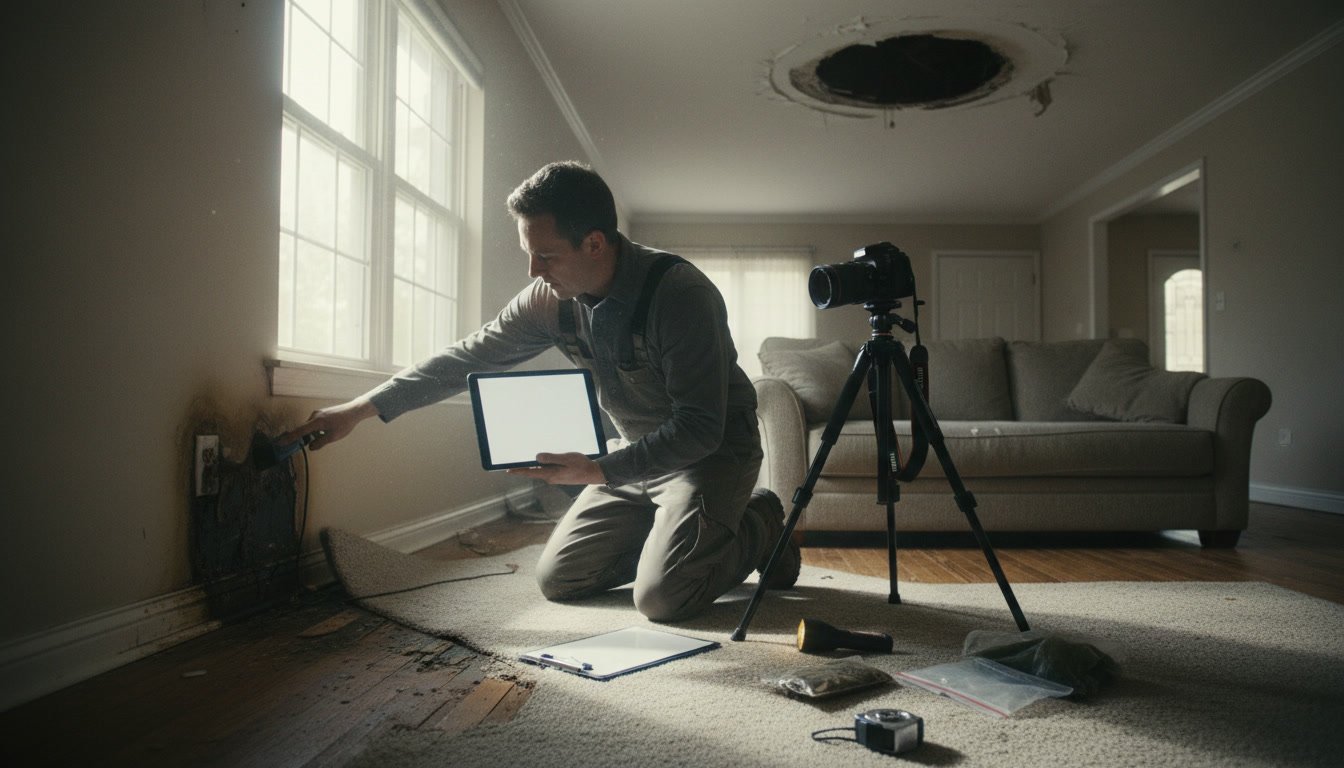
Proper water damage documentation starts the moment you discover moisture intrusion. Homeowners can photograph visible signs, measure affected areas, and record initial damage within the first hours. However, hidden moisture, structural compromise, contamination levels, and accurate moisture mapping require certified inspectors with specialized equipment and training to evaluate thoroughly.
The line between homeowner documentation and professional inspection is not arbitrary. Insurance adjusters and restoration contractors rely on both your initial observations and certified evaluations to scope repairs, approve claims, and ensure complete drying. Missing either step often leads to denied coverage, incomplete repairs, or mold growth weeks after the incident appears resolved.
Why Documentation Timing Matters More Than Most Property Owners Realize
Water spreads rapidly through porous materials, often traveling 15 to 20 feet from the source within the first 24 hours. Documenting conditions immediately creates a baseline that shows the scope and progression of damage. Insurance carriers frequently dispute claims when documentation gaps exist between the loss and the first professional inspection.
Your initial photos and notes capture perishable evidence such as standing water depth, wet ceiling stains before they dry and darken, and the exact condition of contents before emergency crews arrive. These details become critical reference points when adjusters review timelines and restoration teams plan drying strategies.
What Homeowners Can Document Safely in Philadelphia Before Professionals Arrive
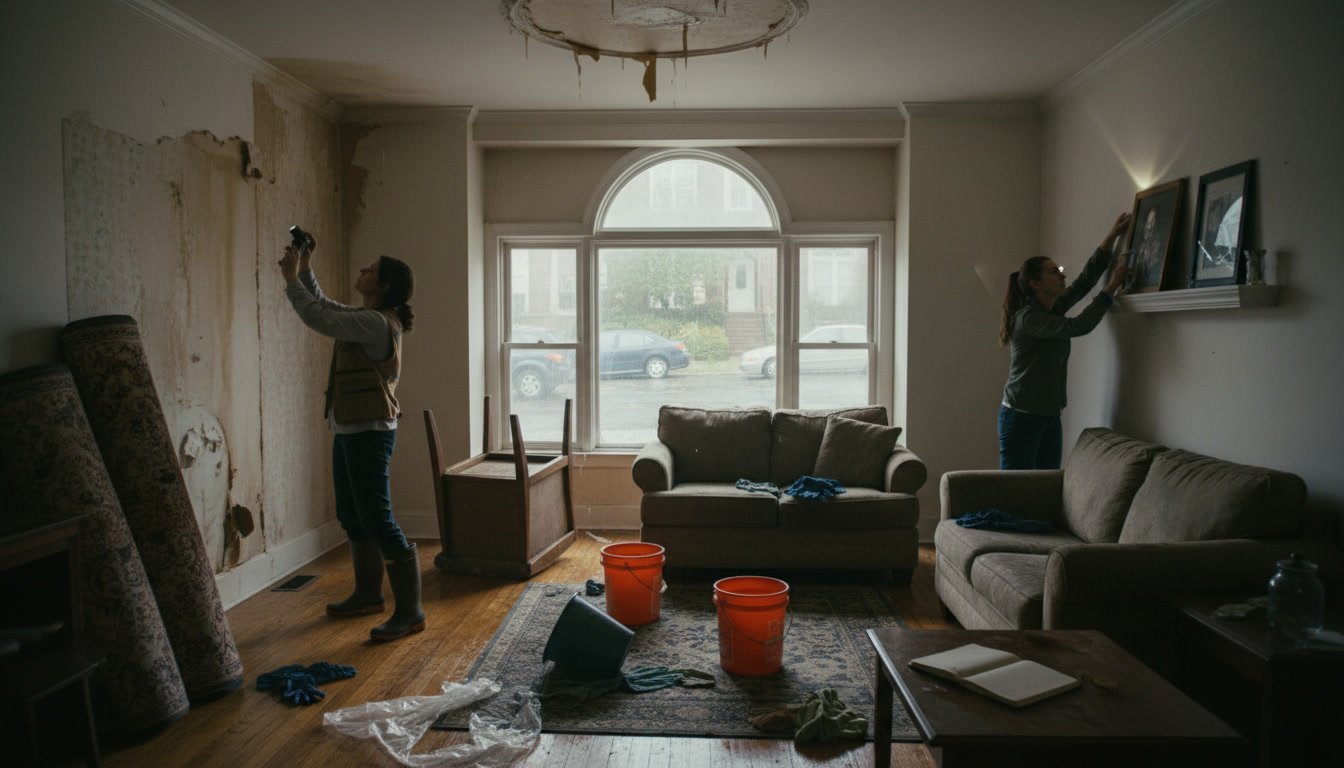
Start with wide-angle photos of every affected room from multiple angles. Capture the water source if visible, such as a burst supply line, leaking appliance connection, or roof penetration. Photograph standing water, wet flooring, soaked furniture, damaged electronics, and any belongings you move to prevent further harm.
Measure and note standing water depth using a tape measure or ruler. Record the time you discovered the damage and any actions you took, such as shutting off water supply valves or moving valuables. List every affected room, including closets, basements, and crawl spaces where water may have migrated.
Take close-up images of water stains on walls and ceilings, warped baseboards, bubbling paint, and damaged flooring transitions. If you can safely access your attic or basement, photograph any visible moisture, sagging insulation, or discoloration on structural members. Never enter spaces with electrical hazards or structural instability.
Equipment Limitations That Require Certified Restoration Specialists
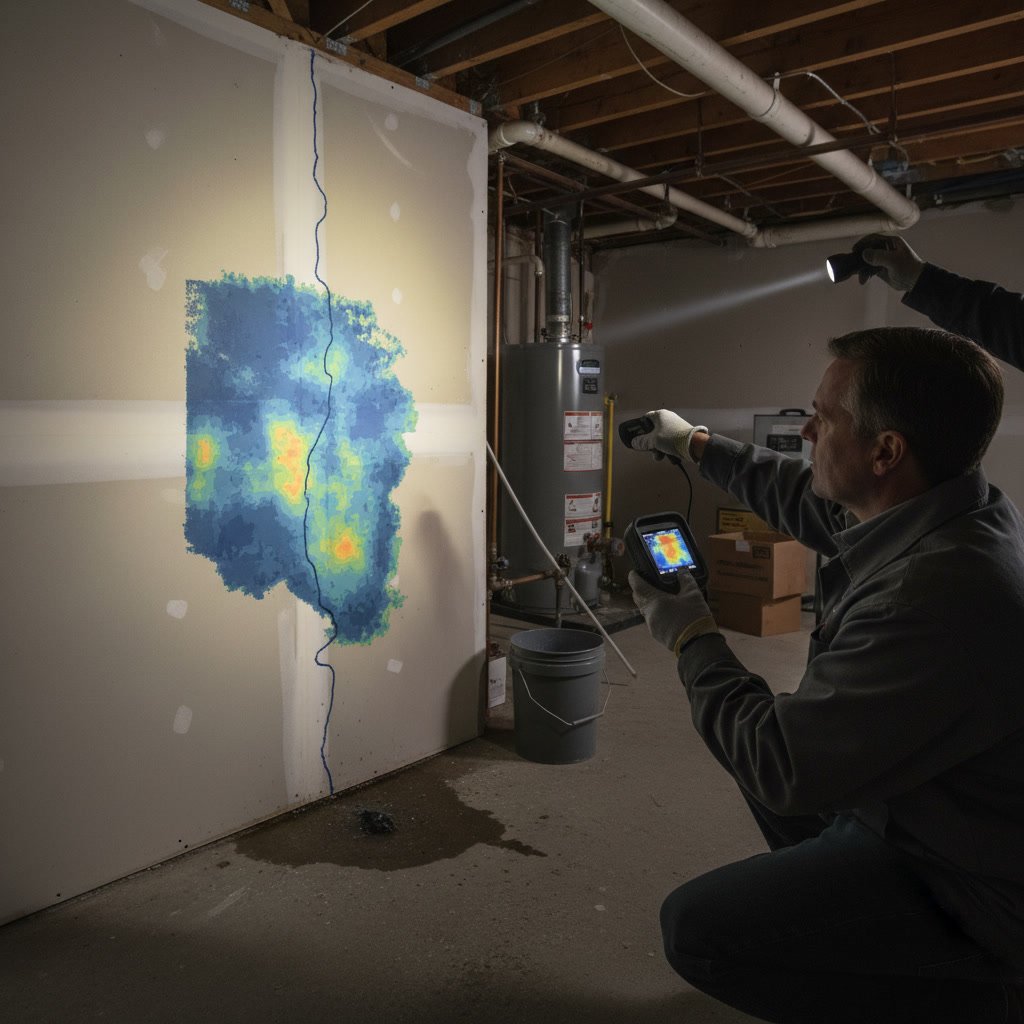
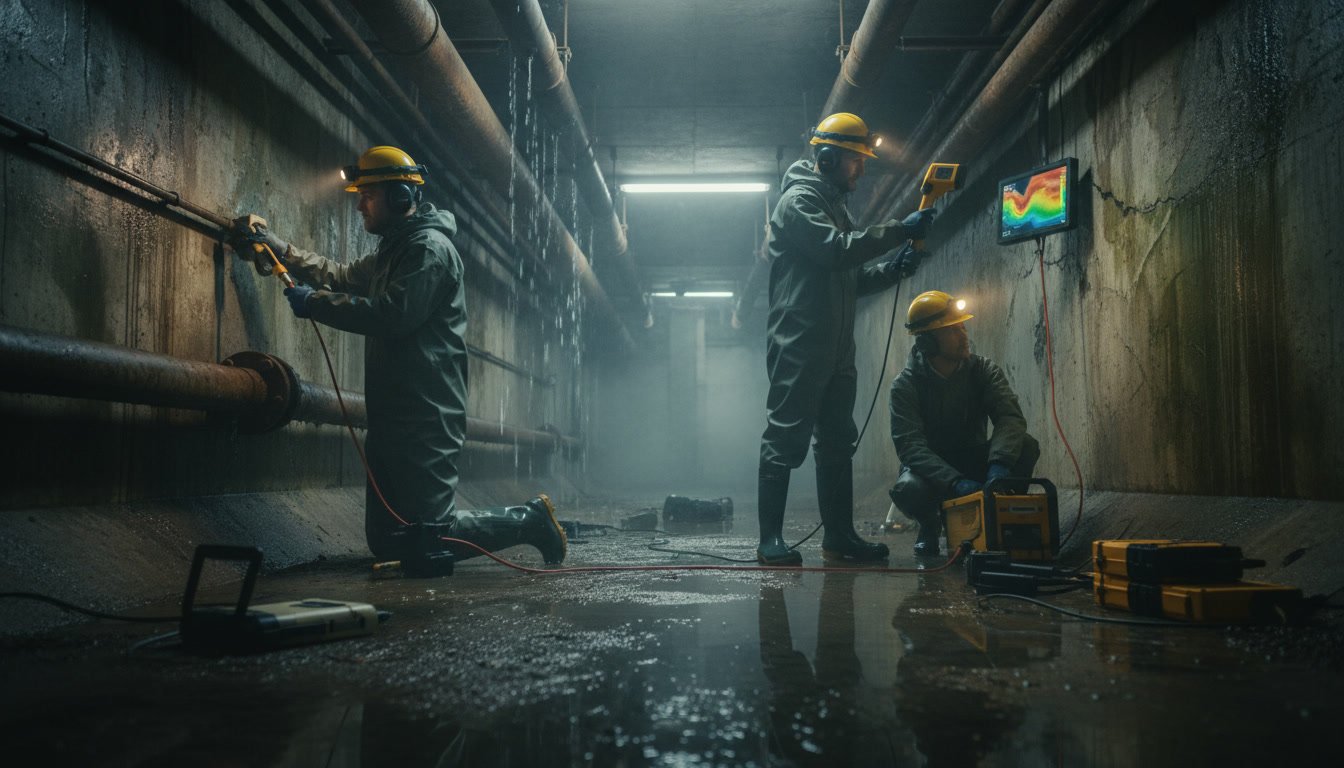
Moisture meters, infrared thermal cameras, and hygrometers reveal damage invisible to the naked eye. Certified inspectors use pin-type and pinless moisture meters to measure water content inside walls, subflooring, and structural framing without demolition. These readings determine drying equipment placement and track progress over multiple days.
Thermal imaging cameras detect temperature variations caused by hidden moisture behind finished surfaces. A wall that appears dry may show a clear thermal signature indicating saturated insulation or trapped water within cavities. Professional-grade hygrometers measure ambient and material-specific humidity, data essential for calculating drying times and preventing secondary damage.
Homeowner-grade moisture detectors sold at hardware stores lack the calibration, accuracy, and material-specific settings needed for reliable water damage restoration decisions. Incorrect readings often lead property owners to underestimate affected areas or stop drying efforts prematurely, creating conditions for microbial growth.
Hidden Moisture Zones Only Professionals Can Accurately Map
Water migrates through wall cavities, under flooring systems, and into ceiling plenums where visual inspection cannot reach. Certified inspectors drill small test holes strategically to insert probe-style moisture meters, then patch and document each measurement point. This mapping reveals the true scope of saturation, often two to three times larger than visible staining suggests.
Subflooring beneath tile, hardwood, or carpet can absorb gallons of water while surface materials appear only damp. Without lifting flooring or using penetrating moisture detection, trapped water continues degrading adhesives, swelling wood fibers, and supporting mold colonies. Professional moisture mapping prevents cosmetic-only repairs that leave structural damage untreated.
Crawl spaces and basements present additional challenges. Standing water in these areas often wicks upward into floor joists, rim boards, and wall framing. Inspectors evaluate vapor barriers, foundation cracks, and drainage systems to identify not just current damage but ongoing moisture sources that require permanent correction.
Contamination Classification That Determines Safe Handling
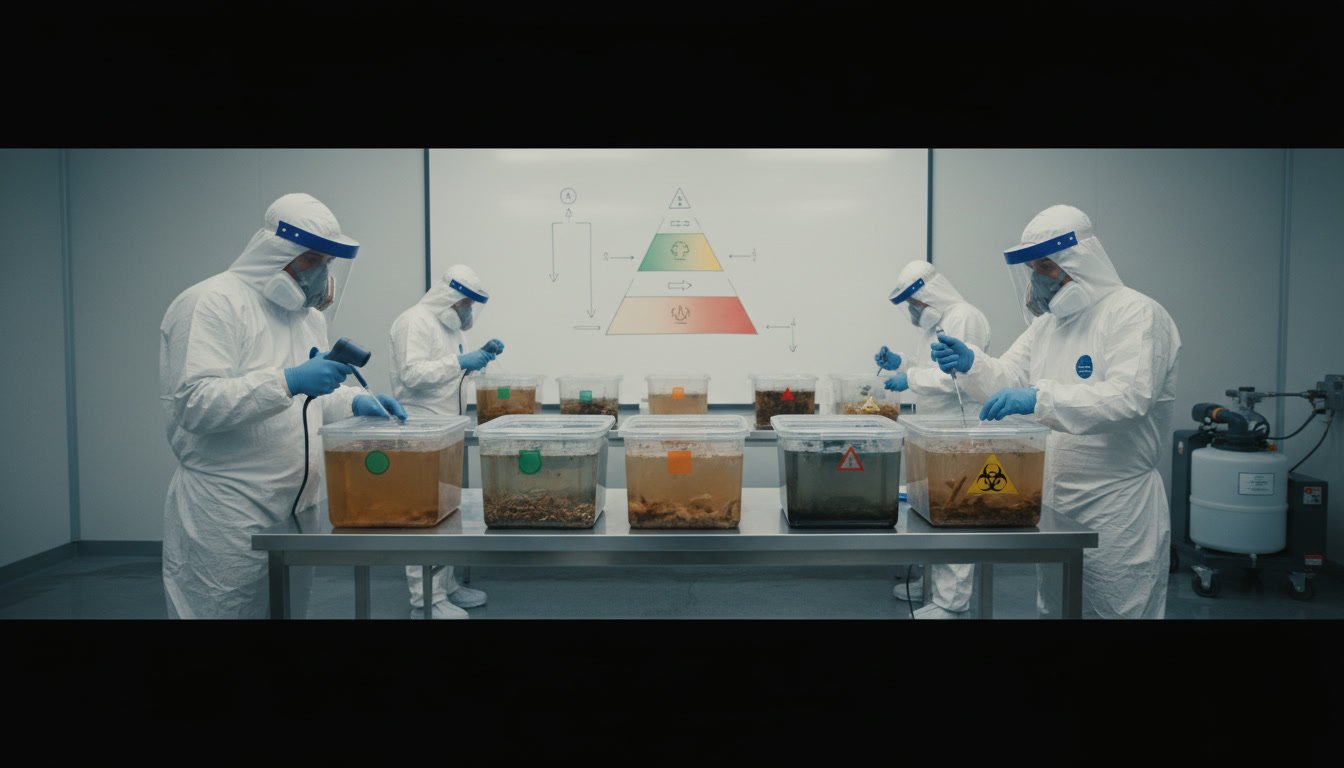
The Institute of Inspection, Cleaning and Restoration Certification defines three water categories based on contamination level. Category 1 originates from sanitary sources such as supply lines or rainwater. Category 2 contains significant biological or chemical contamination from sources like dishwasher overflows or washing machine discharges. Category 3 includes grossly unsanitary water from sewage backups, flooding, or long-standing stagnant water.
Only certified inspectors can accurately classify water categories and determine required safety protocols. Homeowners cannot visually assess bacterial loads, chemical contaminants, or pathogen levels. Misclassifying contaminated water as clean leads to inadequate cleaning methods, health risks, and insurance claim complications.
Water category can change over time. Clean supply line water becomes Category 2 after sitting in contact with building materials for 48 hours as microbial growth accelerates. Professional evaluation ensures proper containment, disposal, and sanitization methods match actual contamination levels rather than assumptions.
Structural Safety Assessments Homeowners Should Never Attempt
Water-saturated materials lose structural integrity rapidly. Drywall absorbs moisture and becomes heavy, pulling away from fasteners and creating collapse hazards. Ceiling materials can fall without warning when waterlogged. Flooring systems weakened by prolonged saturation may not support normal loads.
Certified inspectors evaluate whether structural elements require temporary support, selective demolition, or complete replacement. They identify compromised floor joists, roof trusses, and load-bearing walls that pose immediate safety risks. These assessments require engineering knowledge and experience that general property owners lack.
Electrical systems exposed to water present electrocution and fire hazards. Professionals test circuits, outlets, and panel boxes for moisture intrusion and energize systems only after confirming safety. Never assume electrical components are safe simply because breakers have not tripped or visible water has receded.
Creating Documentation Insurance Adjusters Actually Accept
Insurance carriers require specific documentation formats to process claims efficiently. Your initial photos should include date and time stamps, either from camera metadata or written notes. Organize images by room and damage type rather than random chronological order.
List all damaged contents with descriptions, approximate purchase dates, and estimated replacement costs. Include receipts, warranties, or prior appraisals when available. Photograph brand labels, model numbers, and serial numbers on appliances and electronics. This detailed inventory supports claim valuations and reduces disputes over depreciation calculations.
Professional inspection reports provide certified measurements, moisture readings, equipment logs, and technical observations that satisfy carrier requirements for large losses. Adjusters rely on these third-party assessments to validate claim amounts, especially when structural repairs exceed policy deductibles. Combining your immediate documentation with certified professional reports creates the strongest claim package.
When Water Sources Require Leak Detection Specialists
Obvious water sources such as burst pipes or overflowing fixtures are straightforward to document. Mysterious moisture that appears without clear origin requires leak detection services using acoustic listening devices, tracer gas, and pressure testing to locate hidden failures within plumbing systems, building envelopes, or underground utilities.
Slab leaks beneath concrete foundations, pinhole leaks inside walls, and roof membrane failures often produce moisture damage far from the actual failure point. Without specialized detection, repairs address symptoms rather than root causes, leading to recurring damage and escalating costs.
Documentation must include the confirmed source location, repair method, and verification testing that proves the leak has been permanently corrected. Insurance carriers may deny future claims if documentation does not demonstrate source elimination rather than cosmetic patching.
Step-by-Step Documentation Checklist for Immediate Action
First, ensure your safety by turning off electricity to affected areas and avoiding standing water near electrical outlets or appliances. Put on rubber-soled shoes and gloves before entering wet spaces.
Second, photograph the water source and all visible damage from multiple angles. Capture wide shots showing entire rooms and close-ups of specific damage points. Include a measuring tape or ruler in photos to show water depth and affected area dimensions.
Third, write down the discovery time, suspected cause, and immediate actions taken. Note weather conditions if storm-related, or recent plumbing work if supply line failure is suspected. This timeline helps investigators reconstruct events accurately.
Fourth, contact your insurance carrier to report the loss and ask about coverage specifics, documentation requirements, and approved contractor lists. Some policies require notification within specific timeframes to maintain coverage.
Fifth, call certified restoration professionals for emergency response. Quick mitigation reduces total damage and claim costs. Delays beyond 48 hours dramatically increase mold risk and secondary damage severity. Many property owners find it helpful to understand the complete restoration process before work begins.
Professional Certifications That Ensure Accurate Evaluations
The Institute of Inspection, Cleaning and Restoration Certification provides industry-standard training and credentials. IICRC-certified inspectors complete rigorous coursework covering water damage science, psychrometrics, microbial remediation, and structural drying principles. Certification requires passing proctored examinations and maintaining continuing education.
Additional certifications from organizations such as the Restoration Industry Association and manufacturer-specific equipment training demonstrate advanced expertise. When selecting restoration companies, verify current certifications rather than relying on generic claims of experience or professionalism.
Certified inspectors carry liability insurance covering professional errors and omissions. This protection ensures you have recourse if evaluations prove inaccurate or incomplete. Unlicensed contractors or general handymen lack both the training and insurance backing to perform reliable damage assessments.
Protecting Your Property and Your Investment Through Proper Documentation
Thorough water damage documentation protects your financial interests in multiple ways. Accurate records support full insurance reimbursement, prevent out-of-pocket expenses for covered damages, and create accountability for restoration contractors. Documentation also establishes timelines that defend against carrier allegations of maintenance neglect or delayed reporting.
Combining your immediate observations with certified professional evaluations creates comprehensive records that satisfy insurance requirements, guide effective restoration, and prevent recurring problems. The investment in professional inspection typically costs far less than claim denials, incomplete repairs, or health issues from hidden mold growth.
React Restoration LLC provides certified inspection services, detailed documentation, and complete restoration solutions for property owners throughout the greater Philadelphia region. Our team responds quickly to assess damage accurately, communicate findings clearly, and coordinate all aspects of recovery from initial loss through final reconstruction.
If you have discovered water damage and need professional evaluation and documentation support, contact our certified restoration specialists at (610) 858-3469. We provide 24/7 emergency response, work directly with insurance carriers, and ensure every detail is documented properly to protect your property and your claim.